This article's table of contents introduction:
- What is a Flue Gas Recirculation (FGR) Fan?
- Key Specifications for a 45kW FGR Fan
- Critical Design Considerations for a 45kW FGR Fan
- Typical Applications for a 45kW FGR Fan
- Sizing Calculation (General Rule of Thumb)
- Summary for Procurement or Engineering
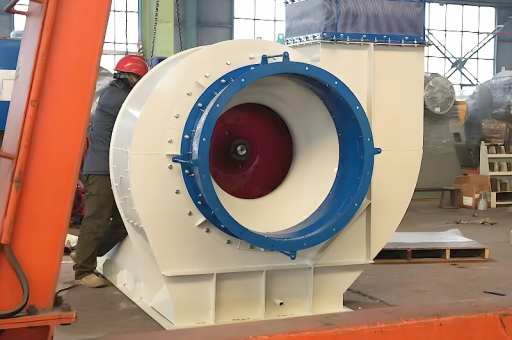
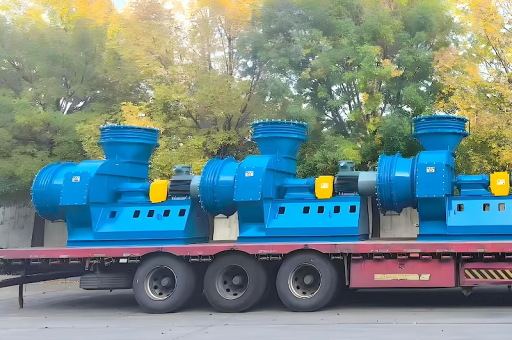
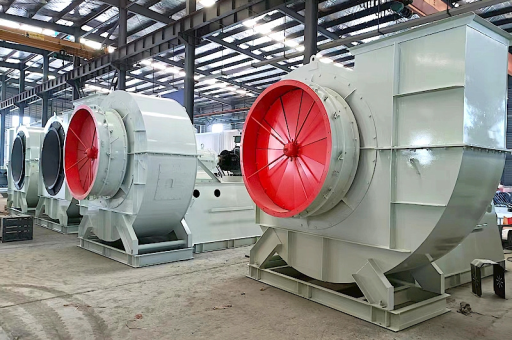
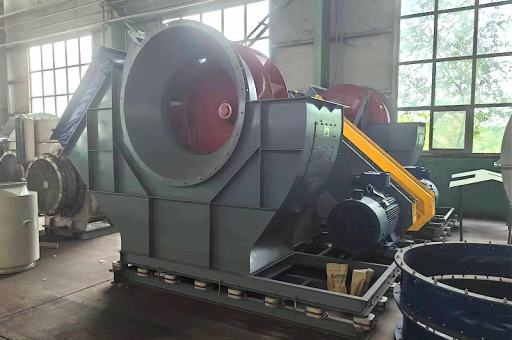
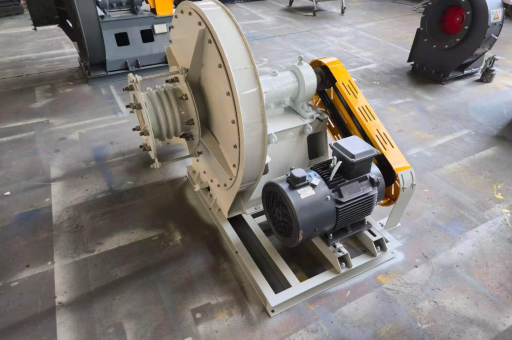
Based on the query “45kW Flue Gas Recirculation Fan,” you are likely looking for specifications, applications, or sizing information for a large industrial fan used in a Flue Gas Recirculation (FGR) system.
Here is a detailed breakdown of what a 45kW FGR fan typically entails, its applications, and key considerations.
What is a Flue Gas Recirculation (FGR) Fan?
An FGR fan is a critical component in boilers, furnaces, and gas turbines designed to reduce NOx (Nitrogen Oxide) emissions. It works by taking a portion of the exhaust flue gas and recirculating it back into the combustion chamber. This lowers the flame temperature and oxygen concentration, suppressing NOx formation.
Key Specifications for a 45kW FGR Fan
A 45kW (approx. 60 HP) motor indicates a fan of significant size, typically used in medium-to-large industrial applications.
| Parameter | Typical Value / Range | Notes |
|---|---|---|
| Motor Power | 45 kW (60 HP) | This is the power required at the shaft. Actual electrical draw may vary. |
| Flow Rate | 15,000 – 40,000 m³/h | Depends heavily on system pressure and fan design. Higher pressure = lower flow. |
| Static Pressure | 1,500 – 4,000 Pa | Must overcome pressure drop in FGR ductwork, damper, and burner. |
| Temperature | 150°C – 280°C (300°F – 540°F) | Flue gas before (or after) an economizer. Crucial for material selection. |
| Fan Type | Centrifugal (Radial) | Preferred for high pressure, dirty gas, and variable flow. |
| Wheel Design | Radial, Backward Inclined, or Airfoil | Radial for dirty gas; Backward Inclined for efficiency; Airfoil for high efficiency clean gas. |
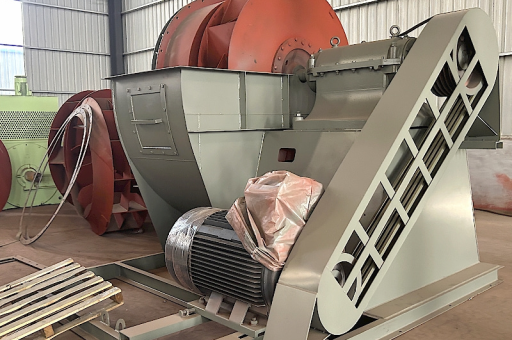
| Drive Type | V-belt or Direct Drive | V-belt offers variable speed; Direct drive is more efficient. |
| Speed | 1,450 or 2,900 RPM | Common for 4-pole or 2-pole motors, or variable via VFD. |
| Material | Carbon Steel, Corten Steel, or Stainless Steel (SS304/316) | Stainless Steel is often required for corrosion resistance from acidic condensate in flue gas. |
Critical Design Considerations for a 45kW FGR Fan
-
Gas Composition & Temperature:
- Flue gas contains CO2, N2, H2O, and potentially SOx (from sulfur in fuel), which can form sulfuric acid if the temperature drops below the acid dew point (typically 120-150°C).
- You must insulate the fan housing and ductwork and potentially use a steam tracing or bypass system to keep the gas temperature above the acid dew point to prevent corrosion.
-
Variable Speed Control (VFD - Variable Frequency Drive):
- FGR flow rate needs to be precisely controlled to maintain optimal combustion conditions. A 45kW fan is almost always best paired with a VFD to adjust flow dynamically and save significant energy compared to dampers or inlet vanes.
-
Material Selection (Corrosion):
- For gas temperatures below 250°C, Stainless Steel (SS304 or SS316) for the impeller and housing is highly recommended.
- For gas temperatures above 250°C but with low sulfur, Corten steel or carbon steel with a heavy-duty epoxy coating might be acceptable.
- The impeller is the most critical component – it must be robust and corrosion-resistant.
-
Sealing & Leakage:
- FGR fans handle positive pressure on the discharge side. Excellent shaft seals (e.g., labyrinth, mechanical, or purge air seals) are needed to prevent flue gas leakage into the atmosphere or the motor.
-
Noise & Vibration:
- A 45kW fan running at high speed generates significant noise and vibration. You will need:
- Vibration isolators (spring or rubber) at the base.
- Flexible connections on inlet and outlet ductwork.
- Silencers on the fan inlet (if the suction is taken from the flue stack).
- A 45kW fan running at high speed generates significant noise and vibration. You will need:
Typical Applications for a 45kW FGR Fan
- Industrial Boilers: In power plants, refineries, or chemical plants (e.g., a 50-100 ton/hr steam boiler).
- Gas Turbine Exhaust: In combined heat and power (CHP) plants or peaker plants.
- Large Commercial Boilers: For district heating plants or large institutions.
- Process Heaters: In oil & gas or petrochemical industries.
Sizing Calculation (General Rule of Thumb)
The required fan power for FGR is typically 2-5% of the boiler's total heat input.
- For a boiler rated at 10 MW (thermal), you might need a fan with a motor around 20-50 kW. A 45kW fan is well-suited for a boiler in the 10-15 MW thermal input range.
Summary for Procurement or Engineering
If you are specifying or purchasing a 45kW Flue Gas Recirculation Fan, you must provide the following data to the manufacturer:
- Guaranteed Flow Rate (m³/h or CFM) at operating temperature.
- Total Static Pressure (Pa or inches w.g.) the fan must overcome.
- Flue Gas Temperature at the fan suction (Max & Normal).
- Fuel Type (Natural Gas, Oil, Coal, Biomass) - this dictates corrosion potential.
- Ambient Conditions (Altitude, max/min temperature).
- Control Method (VFD, damper, or fixed speed).
Final Note: A 45kW FGR fan is a significant capital investment. It is highly recommended to work with a reputable fan manufacturer (e.g., Howden, TLT-Babcock, New York Blower, or a specialized regional industrial fan maker) to ensure the fan is properly engineered for the specific corrosive and thermal conditions of your application.