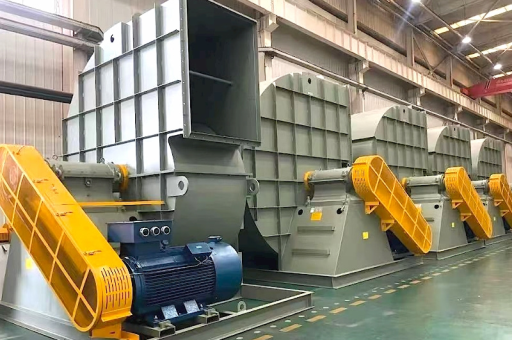
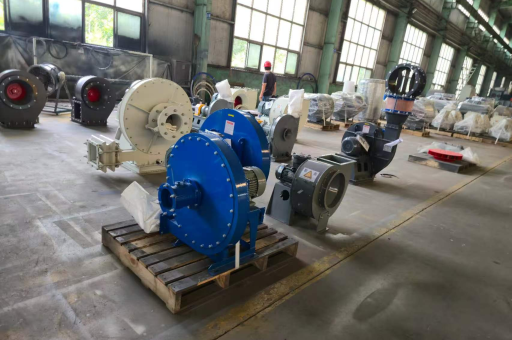
This article's table of contents introduction:
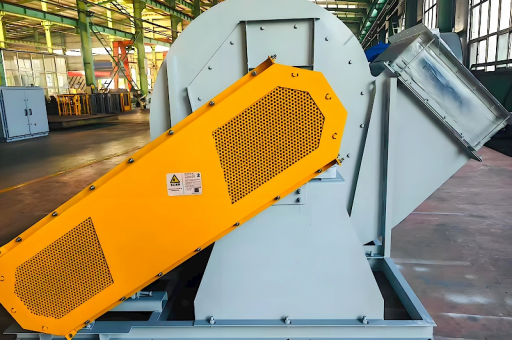
- Table of Contents
- 1. Introduction: What Is a 75kW Flue Gas Recirculation Fan?
- 2. How FGR Technology Works: The Principle Behind the Fan
- 3. Technical Specifications of a 75kW FGR Fan
- 4. Why 75kW? – Power Matching and Industrial Applications
- 5. Key Benefits: Lower NOx, Higher Safety, Better Fuel Economy
- 6. Installation Considerations and System Integration
- 7. Common Questions (Q&A) About 75kW FGR Fans
- 8. Conclusion: Why This Fan Matters for Future Compliance
Article Title:
The Critical Role of the 75kW Flue Gas Recirculation Fan in Modern Emission Control & Boiler Efficiency
Table of Contents
- Introduction: What Is a 75kW Flue Gas Recirculation Fan?
- How FGR Technology Works: The Principle Behind the Fan
- Technical Specifications of a 75kW FGR Fan
- Why 75kW? – Power Matching and Industrial Applications
- Key Benefits: Lower NOx, Higher Safety, Better Fuel Economy
- Installation Considerations and System Integration
- Common Questions (Q&A) About 75kW FGR Fans
- Conclusion: Why This Fan Matters for Future Compliance
Introduction: What Is a 75kW Flue Gas Recirculation Fan?
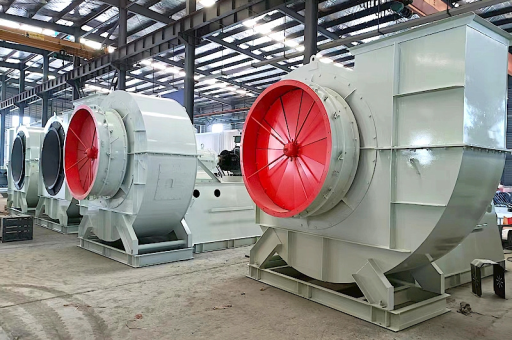
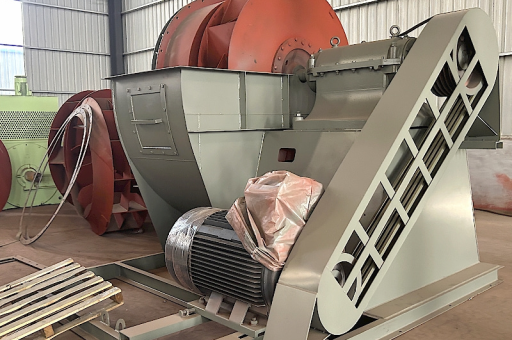
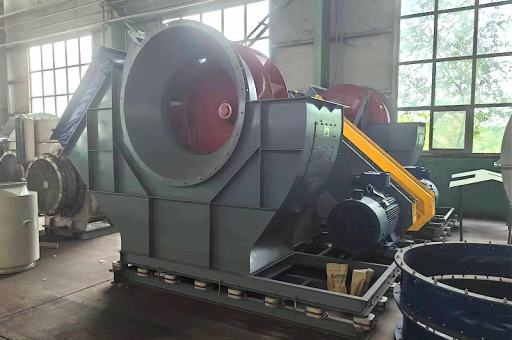
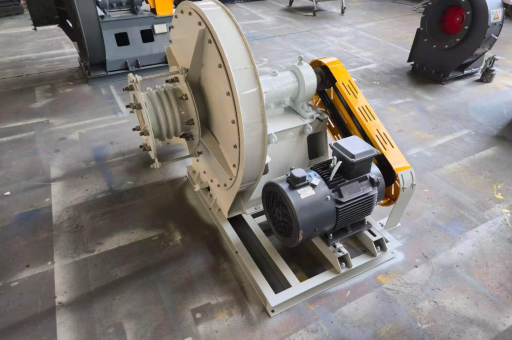
A 75kW Flue Gas Recirculation Fan (often abbreviated as FGR fan) is a heavy-duty industrial fan designed to redirect a portion of exhaust flue gas back into the combustion chamber of a boiler, furnace, or gas turbine. By recirculating inert combustion products (primarily CO₂ and water vapor) into the burner, the system reduces peak flame temperature and significantly lowers nitrogen oxide (NOx) emissions.
The “75kW” rating refers to the motor power required to overcome system resistance and move the hot, corrosive flue gas at the desired flow rate. This power class is typically seen in medium-to-large industrial steam boilers, district heating plants, and process heaters.
SEO Focus Keyword: 75kW flue gas recirculation fan, FGR fan, low NOx fan, industrial boiler fan
How FGR Technology Works: The Principle Behind the Fan
Flue Gas Recirculation is a proven combustion modification technique. The 75kW FGR fan extracts flue gas from the boiler’s exhaust duct (after the heat exchanger, before the stack) and injects it into the combustion air stream or directly into the burner.
The chemical effect: The recirculated gas displaces oxygen in the combustion zone. Less available oxygen slows the reaction between nitrogen and oxygen, suppressing thermal NOx formation. A typical 75kW FGR system can reduce NOx emissions by 30% to 60%, depending on fuel type and operating conditions.
The physical requirement: Because flue gas is hot (typically 150°C–250°C at the extraction point) and contains acidic condensates (especially when burning natural gas or heavy fuel oil), the fan must be constructed from corrosion-resistant materials, often with a high-temperature impeller and a robust shaft seal.
Technical Specifications of a 75kW FGR Fan
| Parameter | Typical Value |
|---|---|
| Motor Power | 75 kW (100 HP) |
| Flow Rate | 15,000 – 30,000 m³/h (depending on pressure) |
| Static Pressure | 3,000 – 6,000 Pa |
| Temperature Range | 150°C – 280°C (continuous) |
| Impeller Material | Corten steel or stainless steel (304/316L) |
| Bearing Type | External, with forced lubrication or grease |
| Drive Arrangement | Belt-driven or direct-coupled |
| Noise Level | 80 – 90 dB(A) (with silencer optional) |
Important: Always verify local emission regulations. Some jurisdictions require FGR in combination with selective catalytic reduction (SCR) or burners.
Why 75kW? – Power Matching and Industrial Applications
The 75kW power rating is not arbitrary. In practical engineering, it matches the air/fuel ratio and flue gas flow of boilers with a thermal input of approximately 10–20 MW. Common applications include:
- Natural gas-fired steam boilers in chemical plants
- Heavy fuel oil-fired heaters in refineries
- Biomass combustion systems (with dust removal pre-FGR)
- Gas turbine exhaust treatment (combined cycle)
Using a fan that is too small (e.g., 30 kW) would cause insufficient recirculation, leading to unacceptably high NOx levels. A fan that is too large (e.g., 150 kW) wastes energy and may cause over-cooling of the flame, increasing CO emissions.
Key Benefits: Lower NOx, Higher Safety, Better Fuel Economy
NOx reduction: The primary driver. With a 75kW FGR fan, NOx emissions can drop below 30 ppm (for natural gas) or 100 ppm (for oil), meeting stringent EPA, EU, or local standards.
Reduced thermal stress: Lower flame temperature reduces wear on burner nozzles and refractory materials, extending boiler and fan lifetime.
Fuel economy: While the fan consumes 75 kW of electricity, the improved combustion stability often reduces overall fuel consumption by 1–3%, depending on the system.
Safety: The fan helps avoid flashback and flame instability caused by excess oxygen.
Installation Considerations and System Integration
Integrating a 75kW FGR fan requires careful layout planning:
- Extraction point: Should be after the economizer but before the air preheater to avoid condensation.
- Ducting: Must be insulated and slightly pressurized to prevent leakage.
- Damper control: A variable speed drive (VFD) or inlet guide vane is essential for adjusting recirculation rate.
- Condensate drainage: Due to moisture in flue gas, a drain trap with corrosion-resistant piping must be installed at the low point of the duct.
- Fan position: Usually placed on the ground floor to simplify maintenance, with silencers on inlet and outlet to meet workplace noise standards.
Common Questions (Q&A) About 75kW FGR Fans
Q1: Can a 75kW FGR fan be used for oil-fired boilers?
Yes, but the fan must be constructed with protective coatings (e.g., epoxy or ceramic) to withstand sulfuric acid condensation. The recirculation rate should be kept below 20% to avoid severe corrosion.
Q2: How do I calculate the required recirculation rate for my boiler?
It depends on the fuel’s hydrogen content and desired NOx level. For typical natural gas, start with 10–15% recirculation and adjust based on exhaust gas analysis. A 75kW fan usually supports up to 25% recirculation for a 15 MW boiler.
Q3: What happens if the FGR fan fails during operation?
The boiler control system should automatically close the recirculation damper and revert to normal combustion mode. The fan itself must be equipped with a high-temperature alarm and emergency shut-off.
Q4: Does a 75kW FGR fan increase backpressure on the boiler?
Yes, slightly. The additional pressure drop from the fan and ducts must be accounted for in the forced draft (FD) fan design. Typically, the increase is 500–1000 Pa.
Q5: Is a VFD mandatory for this fan?
Not always, but highly recommended. A VFD allows precise trimming of the recirculation flow, reducing energy consumption and wear. Without VFD, use inlet guide vanes.
Conclusion: Why This Fan Matters for Future Compliance
As global NOx regulations tighten (for example, the IMO Tier III for marine, or the EU’s Industrial Emissions Directive), the 75kW Flue Gas Recirculation Fan has become an essential component for medium-scale combustion equipment. It offers a cost-effective way to achieve low NOx without expensive SCR catalysts, provided the system is designed with proper metallurgy and controls.
Investing in a high-quality FGR fan — with a 75kW motor, corrosion-resistant impeller, and smart control integration — is not just about compliance; it is about long-term operational reliability, fuel efficiency, and environmental stewardship.
Final thought: Whether you are retrofitting an existing boiler or designing a new plant, the FGR fan is the silent workhorse behind clean, compliant combustion. Choose the right one, size it correctly, and maintain it well.
Keywords for SEO: 75kW flue gas recirculation fan, FGR fan supplier, low NOx fan for boiler, industrial FGR fan installation, 75kW fan for emission control, FGR fan Q&A