This article's table of contents introduction:
- What is it and Why High-Pressure?
- Critical Design & Construction Features
- Key Performance Parameters (What to Ask For)
- Safety & Operational Considerations
- Common Problems & Troubleshooting
- In Summary: Finding the Right Fan
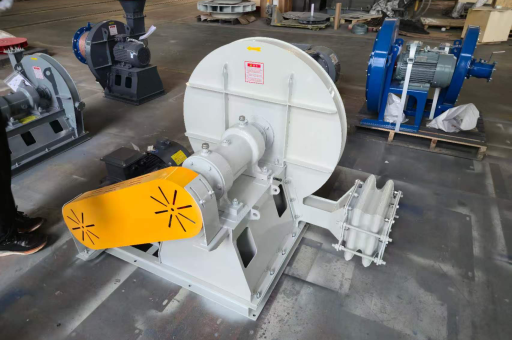
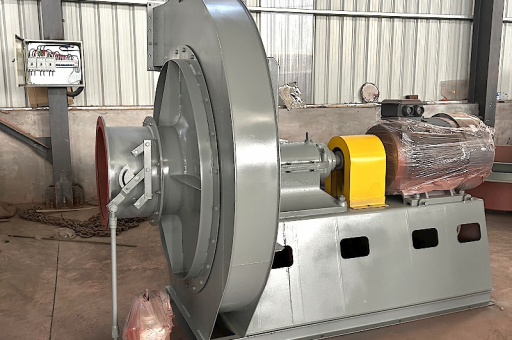
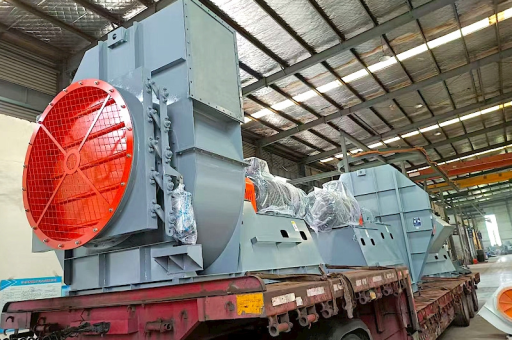
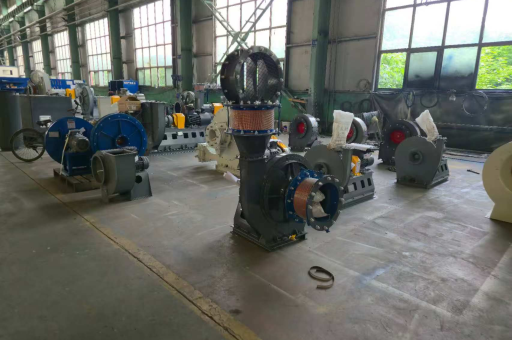
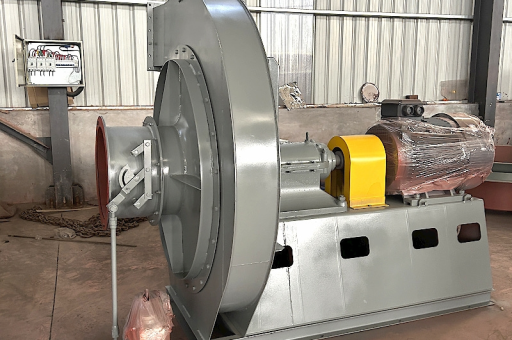
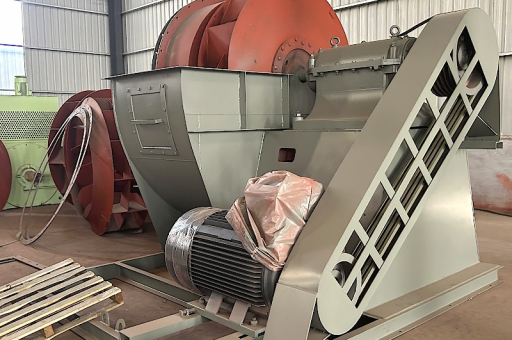
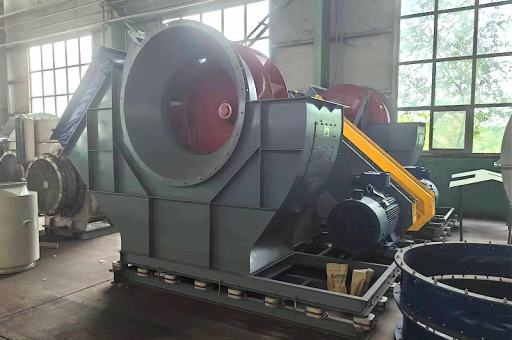
This is a very specific and critical piece of industrial equipment. A "Forging Furnace High-Pressure Ventilation Fan" isn't a generic fan; it's a heavy-duty, specialized piece of machinery designed to survive extreme conditions.
Here is a comprehensive breakdown of what this fan is, why it's built the way it is, and what you need to consider when selecting or maintaining one.
What is it and Why High-Pressure?
In a forging environment, a fan serves multiple critical functions. The "high-pressure" aspect is non-negotiable due to the physical challenges of the application.
Primary Functions:
- Combustion Air Supply: For gas or oil-fired furnaces, a high-pressure fan is the "lungs" of the burner. It provides the precise volume and pressure of air needed for complete and efficient combustion of fuel. Without it, the furnace cannot reach or maintain forging temperatures (typically 2000°F - 2300°F / 1100°C - 1250°C).
- Forced Draft / Flue Gas Evacuation: High-pressure fans create a positive pressure in the furnace chamber, overcoming backpressure from the exhaust stack, heat exchangers, or recuperators. This forces hot combustion gases out of the furnace and through the flue system.
- Cooling: Some specialized fans are used for controlled cooling of forged parts or quenching after the forging process.
- Atmosphere Control: In open-flame furnaces, the fan helps maintain a slightly positive pressure to prevent cold ambient air from being drawn into the furnace, which can cause oxidation (scale) and temperature gradients.
Why High-Pressure? Standard ventilation fans cannot overcome the resistance found in a forging furnace system. The fan must push air through:
- Dense furnace burner nozzles.
- Complex ductwork with multiple bends.
- Heat exchangers or recuperators.
- Long flue stacks.
- High static pressure from internal furnace turbulence.
Critical Design & Construction Features
These fans are not made of sheet metal. They are built like tanks.
| Feature | Specification | Reason |
|---|---|---|
| Material | Carbon Steel (e.g., ASTM A36, A516) for standard applications; Stainless Steel (304L, 316L) for corrosive flue gases or high humidity; Hastelloy or Inconel for extremely high temperatures & corrosion. | High strength at elevated temperatures. Resistance to thermal fatigue, oxidation, and scale. |
| Impeller (Wheel) | Backward-Inclined (BI) or Radial (Paddle Wheel) design. Heavy-gauge steel, reinforced blades, often heat-treated. | BI: High efficiency, higher pressure, non-overloading power curve (safer for motors). Radial: Simplest, handles particulate (scale) better, lowest maintenance. |
| Housing (Volute) | Heavy-gauge steel (often 1/4" or thicker), continuously welded, with ribbing or stiffeners to prevent deformation from thermal expansion and high pressure. | Contains the extreme pressure. Prevents housing from warping under heat. |
| Bearings | Heavy-duty, pillow-block bearings with self-aligning ball bearings or spherical roller bearings. Mounted on a rigid baseplate outside the fan housing. | High load capacity. Isolated from heat. Allows for misalignment during thermal expansion. |
| Shaft | Large diameter, low-alloy carbon steel (e.g., 1045 or 4140). Often hard-chromed or sleeved for wear resistance. | Transfers high torque without flexing. Resists wear from shaft seals. |
| Shaft Seals | Labyrinth seals or carbon ring seals to prevent hot air and scale from leaking along the shaft and damaging bearings. | Critical for bearing life and safety. |
| Cooling | External cooling fins on the shaft, a ventilated bearing housing, or a stand-off pedestal separating the housing from bearings. For extreme heat: integral water-cooled bearing housing. | Prevents bearing overheating from conducted heat. |
| Drive | Direct driven (motor coupled) or V-belt drive. V-belt offers speed flexibility and isolates motor from vibration. Motor is typically a TEFC (Totally Enclosed Fan Cooled) high-efficiency motor. | V-belt allows for fine-tuning of air volume. |
| Accessories | Inlet box, inlet vanes (for flow control), discharge silencer, expansion joint on ductwork. | Optimizes performance, reduces noise, controls flow, and accommodates thermal expansion. |
Key Performance Parameters (What to Ask For)
When selecting or specifying this fan, you need precise data:
- Air Volume (CFM): Cubic feet per minute required by the burner or ventilation system.
- Static Pressure (SP): The total resistance the fan must overcome (in inches of water gauge - "wg).
- Crucial: Distinguish between Standard Air (70°F, 1.0 density ratio) and Actual Air (at operating temperature). High temperature drastically reduces air density and static pressure capability.
- Air Temperature: The temperature of the air the fan is moving.
- Cold Air Supply: 70°F - 150°F (Standard)
- Hot Flue Gas / Recirculation: 600°F - 1000°F+ (Requires special materials, cooling, and a derating factor for performance).
- Material Handled: Clean air, combustion air with moderate dust, or air with heavy forging scale & soot? (Significantly impacts impeller design and material.)
- Altitude: Lower air density at altitude reduces fan performance.
Safety & Operational Considerations
- Thermal Expansion: The fan housing, shaft, and baseplate expand at different rates. Use expansion joints in connecting ductwork (e.g., fabric or metal bellows) to prevent stress on the fan and system.
- Vibration Monitoring: Install vibration probes on the bearing housings. High vibration is the #1 indicator of impending failure (imbalance due to scale buildup, bearing wear, or shaft misalignment).
- Lubrication: Follow the manufacturer's schedule rigorously. High heat degrades grease faster. Use high-temperature grease (e.g., Mobil Polyrex EM).
- Motor Protection: Use a Variable Frequency Drive (VFD) for soft-start and precise air control, or an across-the-line starter with proper overloads. A VFD dramatically reduces inrush current and mechanical shock.
- Safety Guards: All rotating parts (shaft, coupling, belts) must have robust, lockable guards. The inlet and outlet must be guarded against accidental contact.
Common Problems & Troubleshooting
| Problem | Likely Cause | Solution |
|---|---|---|
| Low Airflow | Clogged inlet or duct, belt slip, worn impeller, blocked filter, speed too low. | Clean, tighten/replace belts, inspect impeller for wear/damage, check VFD settings. |
| High Vibration | Unbalanced impeller (from scale buildup or wear), worn bearings, shaft misalignment, resonant frequencies. | Clean impeller, replace bearings, realign, check foundation rigidity. |
| Overheating Motor | V-belt too tight, motor undersized for pressure, high ambient temperature, electrical issues. | Adjust belt tension, re-calculate load, improve ventilation, check voltage/amps. |
| Excessive Noise | Cavitation (from dirty impeller/duct), flow turbulence, worn bearings, loose housing. | Clean system, replace bearings, tighten bolts. |
| Bearing Failure | Inadequate lubrication, high temperature, contamination (dirt/scale), misalignment. | Correct lubrication schedule, check cooling system, improve shaft seal, realign. |
In Summary: Finding the Right Fan
Don't buy a "standard" fan. Buy a "Forge Duty" or "Industrial Process" fan specifically designed for high-temperature, high-pressure, and heavy-duty service.
A good manufacturer will ask for:
- Exactly the air volume (CFM) and total static pressure (SP).
- The exact operating temperature of the air.
- The specific gravity or density of the gas being moved.
- The type of material (clean air, flue gas, particulate).
- The desired motor type, enclosure, and voltage.
If you are having a specific issue (e.g., "My fan is vibrating," "I'm not getting enough pressure," "My bearings keep failing"), providing these details will allow for a much more precise and helpful diagnosis. Feel free to ask a follow-up question with your specific problem.