This article's table of contents introduction:
- What is it?
- Key Technical Parameters (You need to know these)
- Typical Construction Features for High-Temperature Flue Gas
- Common Applications for an 18.5kW Model
- Important Selection & Safety Considerations
- Example Supplier Specification:
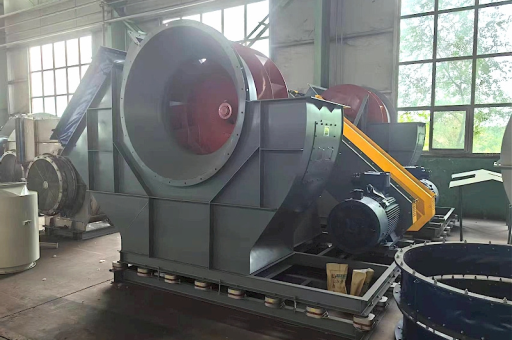
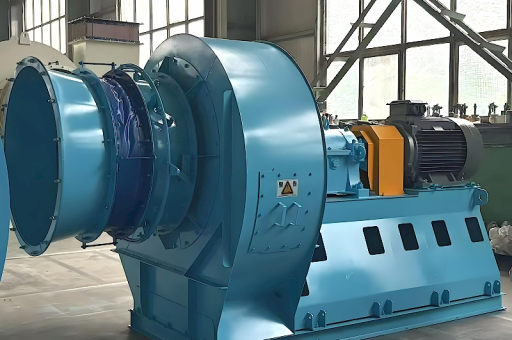
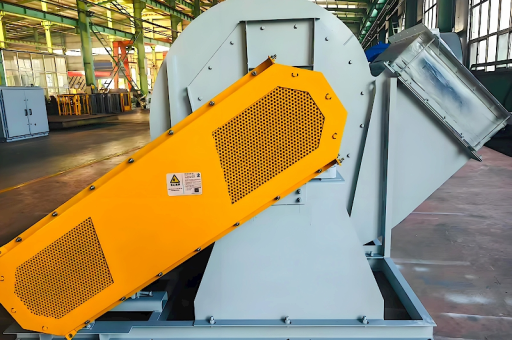
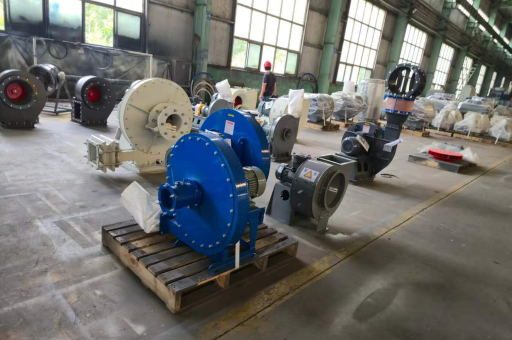
The phrase "18.5kW High-Temperature Flue Gas Cooling Fan" describes a specific piece of industrial equipment. Here is a breakdown of what this means, its common applications, and key specifications you would need to consider for procurement or installation.
What is it?
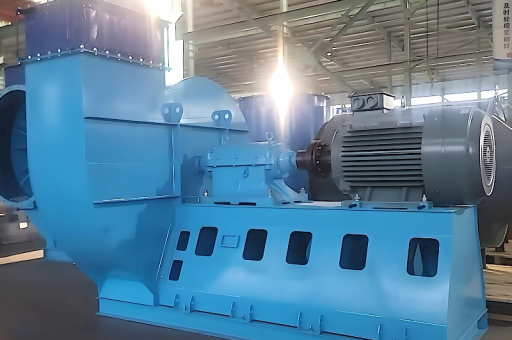
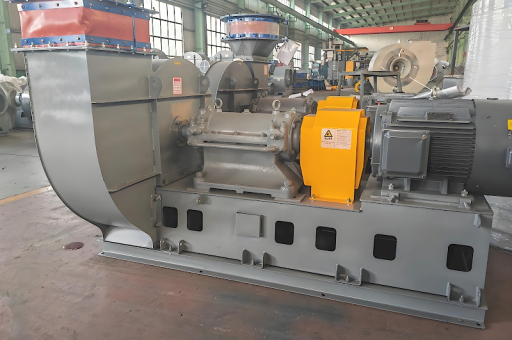
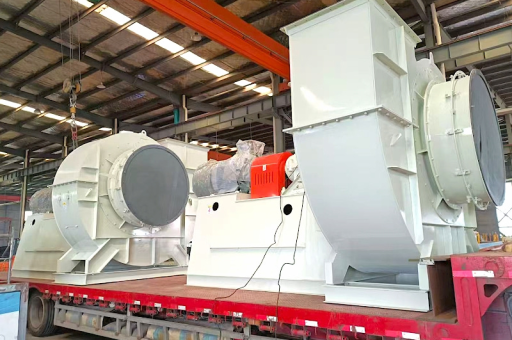
This is a heavy-duty centrifugal fan designed to move hot, often corrosive, exhaust gases (flue gas) from a combustion process (like a boiler, furnace, or incinerator) to a cooling system (like a heat exchanger, scrubber, or cooling tower) or directly to a chimney.
- 5 kW (25 HP): This is the power of the prime mover (electric motor). It indicates the fan is a mid-to-large industrial unit. At 18.5kW, it moves a significant volume of air or gas against a moderate to high resistance (pressure).
- High-Temperature: The fan is engineered to handle gas temperatures significantly higher than standard HVAC fans. This usually requires special materials, shaft cooling, and bearing design.
- Flue Gas: The gas being moved contains combustion byproducts (CO2, H2O, NOx, SOx, and particulates). This can be corrosive, especially if it condenses.
Key Technical Parameters (You need to know these)
When sourcing or specifying this fan, the power (18.5kW) is only the starting point. You must know:
- Gas Temperature (Inlet): This is the most critical factor.
- Standard High-Temp: 150°C - 250°C (302°F - 482°F). (Suitable for boiler exhaust after an economizer).
- Ultra High-Temp: 400°C - 600°C (752°F - 1112°F). (Often requires alloy steel or stainless steel impellers and a shaft cooling system).
- Flow Rate (Air Volume): Measured in m³/h (cubic meters per hour) or CFM. An 18.5kW fan can move anywhere from ~15,000 m³/h at high pressure to ~50,000 m³/h at low pressure.
- Static Pressure (Differential): Measured in Pa (Pascals), mmH2O, or inWG. The resistance of the ductwork, heat exchanger, and scrubber.
- Medium Composition: Is the gas clean, dusty, or acidic? This dictates the material of construction (Carbon Steel, Corten, Stainless Steel 304/316, or specialized alloys).
- Operating Speed: Typically driven by a V-belt or directly coupled. RPM determines the fan curve. High-temp fans often run at lower speeds to reduce stress.
Typical Construction Features for High-Temperature Flue Gas
To handle hot, dirty gas, these fans are built differently from standard fans:
- Impeller Material: Carbon steel for <400°C, but Corten or Stainless Steel (SS 304/316L) is preferred for corrosion resistance at high temps.
- Bearing Cooling: The bearings (which cannot operate at 400°C) are mounted on a separate pedestal or baseplate. A shaft cooling fan (a small fan on the shaft between the housing and the bearing) or a cooling water jacket is used to conduct heat away.
- Shaft Seal: High-temperature packing or a labyrinth seal to prevent hot gas from leaking out along the shaft and reaching the bearings.
- Housing Construction: Heavy-gauge steel with expansion joints to handle thermal expansion. Often comes with an insulated casing.
- Drive Arrangement: Typically Arrangement 3 or Arrangement 4 (Belt Drive) or Arrangement 8 (Direct Drive with an extended shaft) to keep the motor away from the heat source.
Common Applications for an 18.5kW Model
- Industrial Boiler Exhaust: Induced Draft (ID) fan for a biomass, coal, or gas boiler (e.g., a 2-5 ton steam boiler).
- Furnace Ventilation: Removing combustion products from industrial furnaces (glass, ceramic, metal heat treatment).
- Incinerators: For small-to-medium waste incineration systems.
- Dryers: Induced draft for large industrial dryers (food processing, cement, wood processing).
- Flue Gas Desulfurization (FGD): Moving gas after a scrubber (requires corrosion-resistant materials).
Important Selection & Safety Considerations
- Motor Location: The motor should never be placed directly in the hot air path. A belt drive or a long shaft coupling is standard.
- Variable Speed Drive (VFD): An 18.5kW fan is an excellent candidate for a VFD. This allows you to match the fan speed to the process demand, saving significant energy and reducing wear.
- Start-Up & Shutdown: High-temp fans must be started when cold and allowed to cool down gradually to prevent warping of the impeller or housing.
- Corrosion Protection: If the flue gas contains sulfur (from coal/oil) or chlorides (from waste), the fan will need a robust coating (e.g., epoxy, glass flake) or stainless steel construction.
- Vibration Monitoring: A bearing temperature sensor and vibration sensor are highly recommended for predictive maintenance.
Example Supplier Specification:
If you were to buy this fan, the datasheet might look like this:
| Parameter | Example Value |
|---|---|
| Fan Type | Centrifugal, Backward Inclined (or Forward Curved) |
| Power | 5 kW / 25 HP |
| Voltage | 380V / 415V / 460V (3-phase) |
| Speed | 1450 RPM (Motor) -> 1100 RPM (Fan via Belt Drive) |
| Flow Rate | 25,000 m³/h |
| Static Pressure | 2500 Pa |
| Inlet Temp (Max) | 350°C (Design) / 450°C (Peak) |
| Material (Impeller) | Corten Steel or SS316L |
| Drive | Belt Drive (Arrangement 3) |
| Cooling | Shaft cooling fan + Cast Iron bearing pedestal |
| Finish | High-temp paint (400°C) |
Bottom Line: An 18.5kW high-temp flue gas fan is a critical, robust piece of equipment. Ensure you match it exactly to your inlet gas temperature, static pressure requirements, and gas composition. A standard fan will fail quickly in this environment. Consider purchasing a variable speed drive for optimal efficiency and control.