This article's table of contents introduction:
- Primary Function
- "Exhaust Gas" Characteristics (Why this fan is special)
- Key Design & Selection Criteria
- Common Problems & Troubleshooting
- Standard Application Example (Food Dryer)
- Getting a More Specific Answer
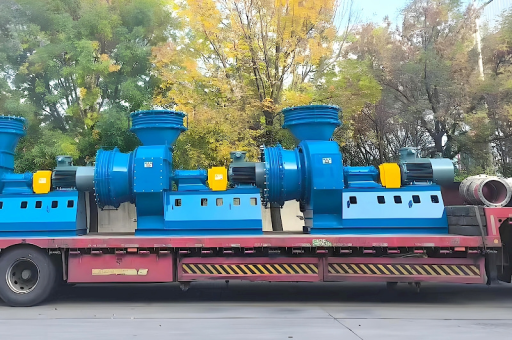
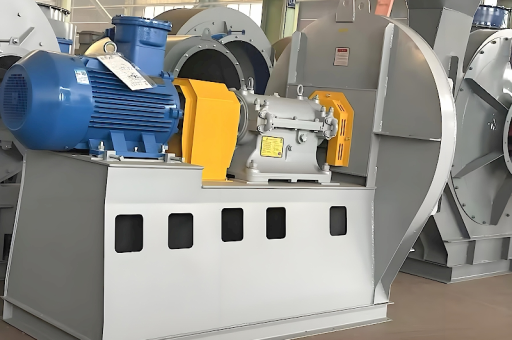
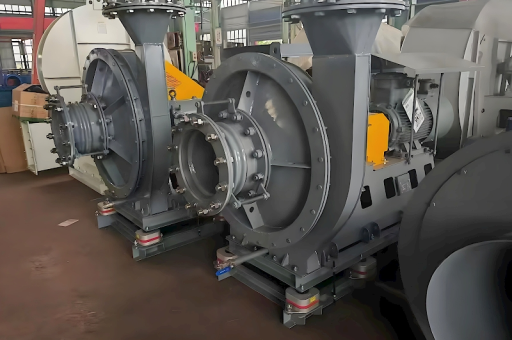
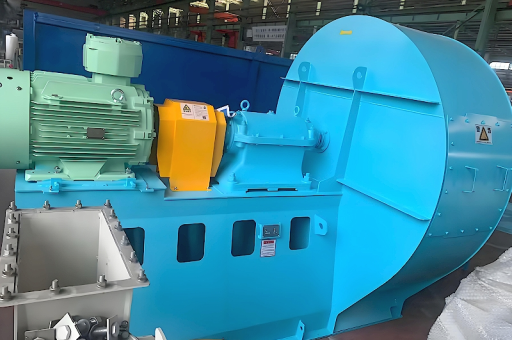
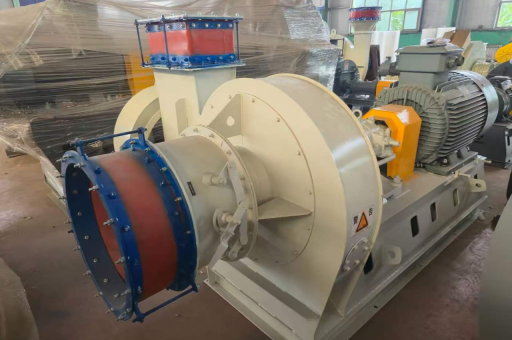
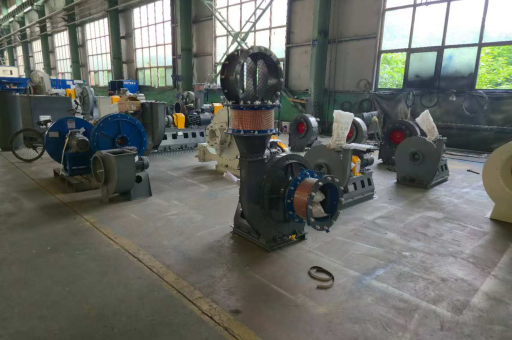
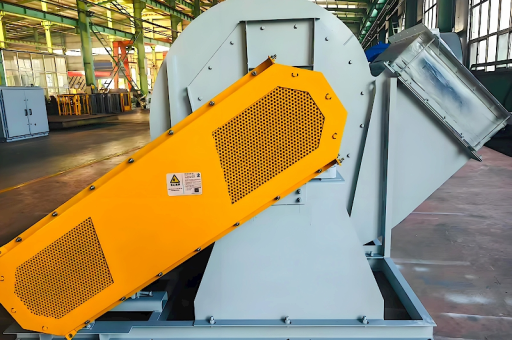
It seems like you're asking about an exhaust fan used for drying exhaust gas. This is a common piece of equipment in industrial processes (like paper mills, food dryers, textile finishing, or chemical plants) where hot, humid, or contaminated air must be removed from a drying chamber.
Here is a breakdown of what a "Drying Exhaust Gas Exhaust Fan" is, its critical functions, key design considerations, and common problems.
Primary Function
The main job of this fan is to remove the spent drying air (exhaust gas) from the drying system.
- Remove Moisture: It extracts the air that has picked up water vapor or solvents from the product being dried.
- Maintain Negative Pressure: It creates a slight vacuum inside the dryer, preventing humid or toxic air from leaking out into the work environment.
- Sustain Airflow: It works in tandem with the supply fan (which blows hot air in) to maintain the correct air balance for efficient drying.
"Exhaust Gas" Characteristics (Why this fan is special)
Unlike a standard ventilation fan, the gas this fan handles is nasty. The fan must be robust because the exhaust typically contains:
- High Temperature: Often >100°C (212°F) and sometimes up to 400°C (752°F) in thermal dryers.
- High Humidity (Condensation Risk): Saturated hot air can cool and condense inside the fan housing or ductwork.
- Corrosive Vapors: Chemicals evaporate during drying (e.g., acids, solvents, salt spray).
- Sticky / Abrasive Particulates: Lint, dust, fibers, or product fines can build up on the fan blades.
Key Design & Selection Criteria
When selecting a fan for this application, you need to consider:
| Feature | Why it matters for Drying Exhaust |
|---|---|
| Material of Construction | Stainless Steel (304/316L) is standard for corrosion resistance. FRP (Fiberglass) can be used for highly acidic exhaust. Carbon steel is only for clean, dry, hot air. |
| Temperature Rating | Motors are often mounted out of the airstream (belt-driven). High-temperature shaft seals and bearings are required. The fan wheel must be rated for the max operating temperature. |
| Wheel Type | Backward Inclined (BI) or Airfoil are common for high efficiency and handling particulates. Radial (Paddle Wheel) is better for heavy dust or sticky material because it is less prone to clogging. |
| Condensation Handling | The fan housing must have drain holes at the lowest point to prevent water from pooling and rusting the housing or causing imbalance. |
| Explosion Proofing | If the exhaust contains flammable vapors (solvents, VOCs), the fan must be ATEX or UL rated (spark-resistant construction, explosion-proof motor). |
| Variable Speed Drive | Essential for balancing the exhaust with the supply fan and drying rate. Allows for turndown when the dryer is at low load. |
Common Problems & Troubleshooting
| Problem | Likely Cause | Solution |
|---|---|---|
| Vibration | Dust/fiber buildup on blades causing imbalance (most common). Also: worn bearings, loose mounting. | Schedule regular cleaning of the fan wheel. Check for material buildup. |
| Reduced Airflow | Dirty inlet screen/filter. Clogged impeller. Slipping belts. | Inspect and clean inlet. Clean wheel. Tighten/replace belts. |
| Motor Overheating / Overamping | Fan speed too high. Damper closed too much. Ductwork restriction. | Verify motor is sized for the fan curve. Open dampers. Check for blockage. |
| Corrosion / Rust | Condensation pooling inside housing. Wrong material for the gas. | Install drain holes. Upgrade material to SS or FRP. |
| Premature Bearing Failure | High temperature cooking the grease. | Use high-temp grease (e.g., polyurea or PTFE based). Check shaft cooling. |
Standard Application Example (Food Dryer)
- Supply Fan blows hot air (steam or natural gas heated) into the drying chamber.
- The hot air passes over the product (e.g., fruit, vegetables, pet food), absorbing moisture.
- Exhaust Gas (now cool & humid) is pulled out by the Drying Exhaust Fan.
- A portion of the exhaust is often recirculated (to save energy), and the rest is vented outside.
- The exhaust fan must handle fine dust (from product abrasion) and high humidity.
Getting a More Specific Answer
If you need a precise solution, please provide more details:
- What is being dried? (e.g., sludge, food, textiles, paper)
- What is the temperature of the exhaust gas? (e.g., 80°C, 120°C, 250°C)
- What is in the gas? (e.g., just steam, fine dust, acids, solvents)
- What is the required airflow? (e.g., 10,000 CFM or 5,000 m³/h)
- What static pressure is required to overcome duct losses? (e.g., 4" w.g. / 1,000 Pa)