This article's table of contents introduction:
- Specification Summary (Typical Range)
- Critical Design Features for Flue Gas Cooling
- Common Applications (Industrial)
- Selection Criteria (How to specify yours)
- Top Suppliers / Standards to Look For
- Important Installation Notes
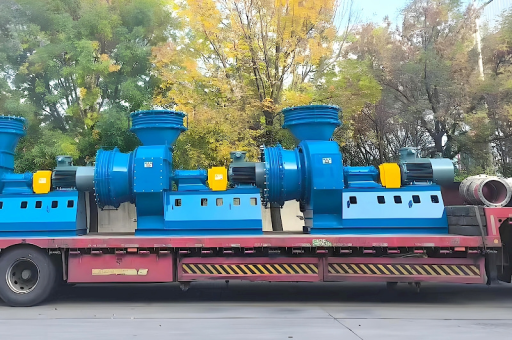
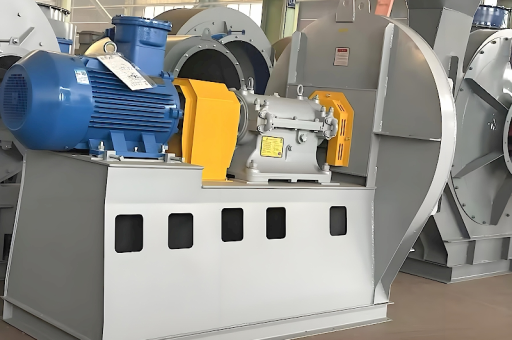
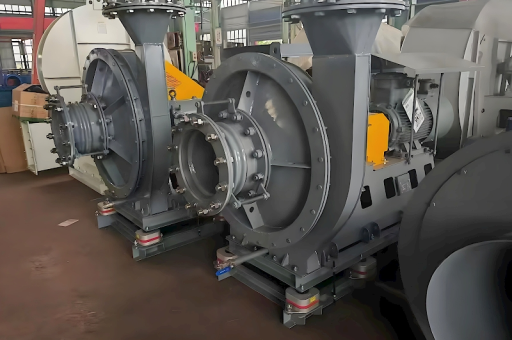
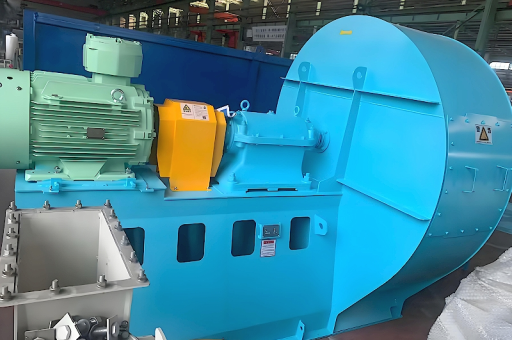
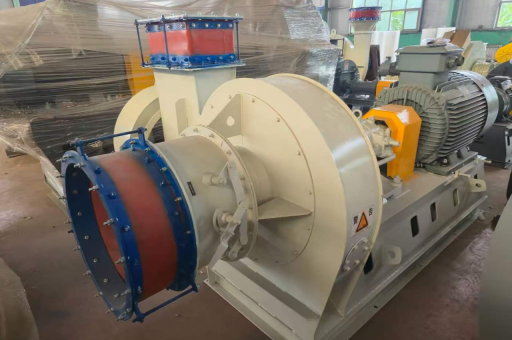
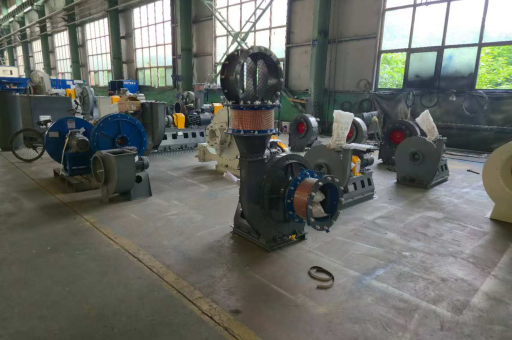
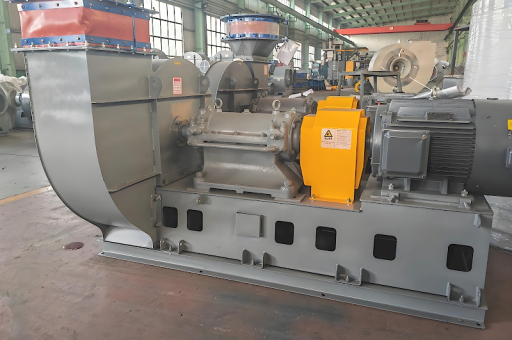
Based on your query for a 3kW High-Temperature Flue Gas Cooling Fan, you are likely looking for a specialized centrifugal fan designed to handle exhaust gases from combustion processes (boilers, furnaces, incinerators) at elevated temperatures, requiring a 3kW motor.
Here is a detailed specification breakdown, application context, and selection criteria for this type of equipment.
Specification Summary (Typical Range)
A 3kW unit is considered a mid-to-large industrial fan. Key parameters include:
- Power: 3 kW (Typically 4-pole, 1450 RPM or 2-pole, 2900 RPM)
- Airflow: Approx. 3,000 – 8,000 m³/h (depending on static pressure)
- Static Pressure: 1,500 – 4,000 Pa (moderate to high pressure for flue gas resistance)
- Temperature Range:
- Standard High-Temp: 150°C – 280°C (with standard bearing cooling)
- Extended High-Temp: 350°C – 450°C (with shaft cooling fins or water-cooled bearings)
- Media: Flue gas (dusty, slightly acidic due to condensation, possibly hot)
- Material: Carbon Steel (for lower temp) or 316L Stainless Steel (for acidic/corrosive flue gas)
Critical Design Features for Flue Gas Cooling
Standard fans fail quickly in this environment. A 3kW High-Temp Flue Gas Fan requires:
A. Impeller & Shaft
- Material: Q345R (boiler plate) or 310S Stainless Steel (for >400°C).
- Design: Backward-curved blades (high efficiency, non-clogging for particulate).
- Shaft Seal: Graphite or PTFE packing to prevent hot gas leakage to motor.
B. Bearing & Cooling (Most Critical)
- Overhung Mount: Impeller is mounted outside the bearing housing (away from hot gas).
- Cooling System:
- Radial Fins: Heat dissipates from the shaft before reaching bearings.
- Forced Cooling Fan: A smaller cooling fan on the motor shaft blows ambient air over the bearing housing.
- Water Jacket (For >350°C): Cooling water circulates around the bearing pedestal.
C. Casing & Motor
- Casing: Volute casing with a 10mm+ thickness for thermal mass and strength.
- Motor Mount: The motor is typically mounted outside the gas stream (belt drive or bearing pedestal mount).
- VFD Ready: Standard for cooling control.
Common Applications (Industrial)
A 3kW unit fits well into smaller systems or booster applications:
- Biomass Boiler Forced Draft / Induced Draft: Cooling flue gas before it enters a scrubber or heat exchanger.
- Incinerator Secondary Cooling: Drawing hot gas from the primary chamber and cooling it.
- Industrial Furnace Evacuation: Removing hot air from heat treatment furnaces.
- Cement / Lime Kiln Draft: Handling hot dusty air.
Selection Criteria (How to specify yours)
When ordering a "3kW High-Temperature Flue Gas Cooling Fan," provide these 5 parameters to a supplier:
- Gas Temperature (Inlet): Is it 150°C, 300°C, or 450°C? This determines the cooling system needed.
- Gas Composition: Is there moisture, acid (H2SO4 condensation), or heavy particulates?
- Required Airflow (m³/h or CFM): At the actual operating temperature (not ambient).
- Static Pressure (Pa or inches w.g.): Total resistance of the flue system.
- Altitude: For fan derating.
Top Suppliers / Standards to Look For
- Standard: Look for fans built to ISO 5801 (performance) and ATEX (if explosive gas is possible).
- Manufacturers:
- Asia: Twin City Fan, Chongqing General Industry (CQGI), New York Blower (Asia licensees).
- Europe/Global: Howden, FläktGroup, GEA (high-end), Ebara (for process).
- Tip: For a 3kW unit, a reputable local manufacturer with a "High-Temp Series" is often better than a major global brand, as spare parts are cheaper and delivery is faster.
Important Installation Notes
- Ducting: Use flexible connectors (expansion joints) on the fan inlet/outlet to handle thermal expansion.
- Drainage: Install a drain valve at the lowest point of the volute to remove condensation during startup.
- VFD Control: A variable frequency drive is highly recommended to control the cooling rate and reduce energy consumption.
Final Advice: A "3kW" rating will change if the fan encounters cold or hot gas. Ensure the motor has an appropriate service factor (1.15 or higher) for high inlet temperatures. Always derate the fan performance curve from standard air to operating temperature. If you have the specific flow (m³/h) and static pressure (Pa) at temperature, I can help you confirm if 3kW is the correct size.