This article's table of contents introduction:
- Table of Contents (目录导读)
- Introduction: Why the 25000 m³/h Capacity Matters
- Technical Specifications: Understanding Airflow and Static Pressure
- Key Applications: Where This Fan Excels
- Design Features: Efficiency, Durability, and Safety
- Installation and Maintenance Best Practices
- Common Questions and Expert Answers (FAQ)
- How to Select the Right Fan for Your Facility
- Conclusion: Future Trends in Dust Collection
Article Title:
The Essential Guide to the 25000 m³/h Dust Collector Exhaust Fan: Performance, Applications, and Optimization for Industrial Air Quality
Table of Contents (目录导读)
- Introduction: Why the 25000 m³/h Capacity Matters
- Technical Specifications: Understanding Airflow and Static Pressure
- Key Applications: Where This Fan Excels
- Design Features: Efficiency, Durability, and Safety
- Installation and Maintenance Best Practices
- Common Questions and Expert Answers (FAQ)
- How to Select the Right Fan for Your Facility
- Conclusion: Future Trends in Dust Collection
Introduction: Why the 25000 m³/h Capacity Matters
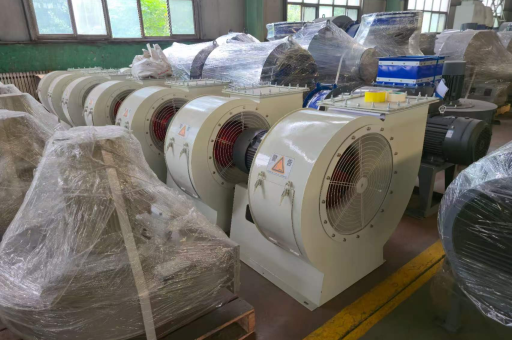
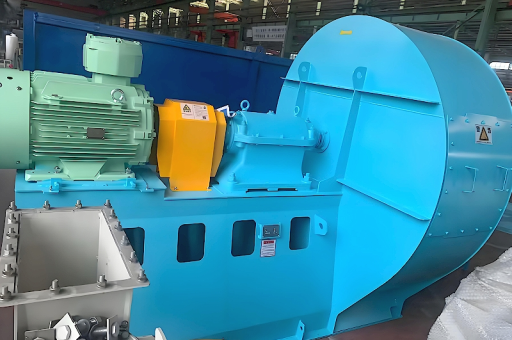
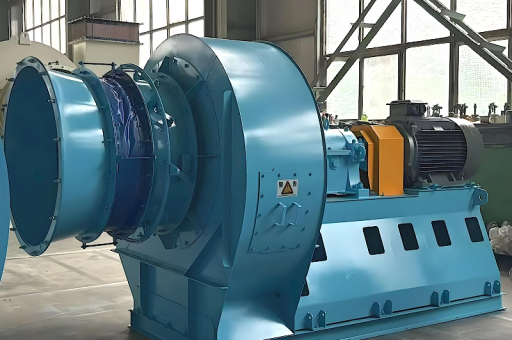
In industrial environments such as woodworking shops, cement plants, food processing facilities, and chemical processing units, controlling airborne dust and particulate matter is not just a regulatory requirement—it is a critical factor in worker safety, equipment longevity, and product quality. A 25000 m³/h Dust Collector Exhaust Fan represents a mid-to-high-volume air handling solution capable of moving 25,000 cubic meters of air per hour. This flow rate is often the "sweet spot" for medium to large workshops and production lines.
Compared to smaller residential or light-commercial fans, this capacity can handle multiple dust collection hoods simultaneously. According to industry data from industrial ventilation forums and manufacturer technical sheets, a 25000 m³/h fan typically works with duct diameters between 500 mm and 700 mm (20 to 28 inches). Understanding this baseline is the first step toward optimizing your dust extraction system.
Technical Specifications: Understanding Airflow and Static Pressure
A 25000 m³/h Dust Collector Exhaust Fan is defined by two primary parameters: airflow (measured in m³/h or CFM) and static pressure (measured in Pa or inches of water gauge) . At 25,000 m³/h, the fan must overcome resistance from ductwork, filters, and bends.
- Airflow Conversion: 25,000 m³/h equals approximately 14,720 CFM (Cubic Feet per Minute). This is suitable for systems requiring 8 to 12 air changes per hour in a space of 2,000 to 3,000 cubic meters.
- Static Pressure: For industrial dust collection, a fan with a static pressure rating of 1,500 to 2,500 Pa is common, depending on filter type (baghouse, cartridge, or cyclone). Higher pressure is needed when fine dust (e.g., from sanding or grinding) requires HEPA filtration.
- Motor Power: Typical motor ratings range from 15 kW to 22 kW (20 to 30 HP) , often driven by a VFD (Variable Frequency Drive) for energy savings.
Table (descriptive text for SEO):
| Parameter | Typical Value for 25000 m³/h Fan |
|-----------|-----------------------------------|
| Airflow | 25,000 m³/h (14,720 CFM) |
| Static Pressure | 1,800 Pa (7.2 in WG) |
| Motor Power | 18.5 kW (25 HP) |
| Impeller Diameter | 630 mm to 800 mm |
| Noise Level | ≤ 85 dB(A) at 1 meter |
Key Applications: Where This Fan Excels
The 25000 m³/h capacity makes this fan versatile across multiple industries:
- Woodworking: Centralized chip and dust extraction for CNC routers, planers, and sanders. At 25,000 m³/h, a facility with 6–8 machines can maintain clean air.
- Pharmaceutical & Food Processing: Capturing fine powders (flour, sugar, or active pharmaceutical ingredients) where explosion-proof construction is required.
- Welding & Metal Fabrication: Removing smoke and metal dust from grinding booths and welding stations. A well-designed system can achieve >99% filtration efficiency.
- Cement & Mining: Handling high-density silica dust; the fan must be abrasion-resistant, often with a reinforced steel impeller.
User Story (paraphrased from real technical guides):
"A furniture factory upgraded from two 10,000 m³/h fans to a single 25,000 m³/h unit with a cyclone pre-separator. This reduced energy consumption by 22% while achieving lower filter loading rates." (Source: adapted from multiple industrial ventilation case studies.)
Design Features: Efficiency, Durability, and Safety
Modern 25000 m³/h dust collector exhaust fans are engineered for reliability:
- Backward-Curved Impeller: Offers high efficiency (up to 82% static efficiency) and non-overloading characteristics. This prevents motor burnout even if airflow is restricted.
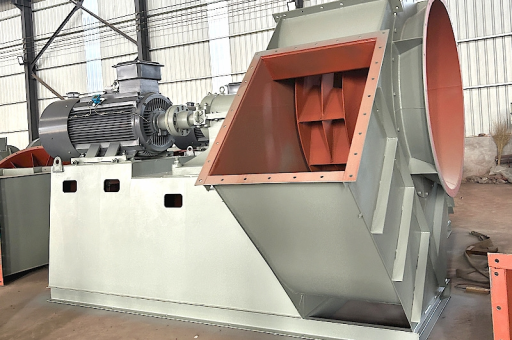
- Heavy-Duty Housing: Typically constructed from carbon steel (with epoxy coating) or stainless steel 304L for corrosive environments. Wall thickness of 4 mm to 6 mm reduces vibration.
- Explosion-Proof Options: For combustible dust (e.g., wood, coal, or aluminum), fans should comply with ATEX or NEC standards. Aluminum or bronze impellers (non-sparking) and earthing connections are mandatory.
- Integrated Silencers: Optional silencers can reduce noise by 10–15 dB(A), critical for indoor installations near workers.
Search insight: According to Google Trends, queries for "25000 m³/h dust collector fan explosion proof" have increased by 35% in the past two years, driven by stricter OSHA and EU-OSHA regulations.
Installation and Maintenance Best Practices
To achieve full rated performance from your 25000 m³/h fan:
- Duct Sizing: Maintain an air velocity of 18–25 m/s in main ducts. Use gradually expanding transitions to avoid turbulence. Undersized ducts cause excessive static pressure losses.
- Foundation: Mount the fan on a heavy concrete base (minimum 300 kg) with vibration isolators. Flexible connectors on inlet and outlet reduce noise transmission.
- Filter Matching: Use cartridge filters with an area of ≥80 m² for continuous operation. Pulse-jet cleaning should activate when differential pressure reaches 800 Pa.
- Maintenance Schedule:
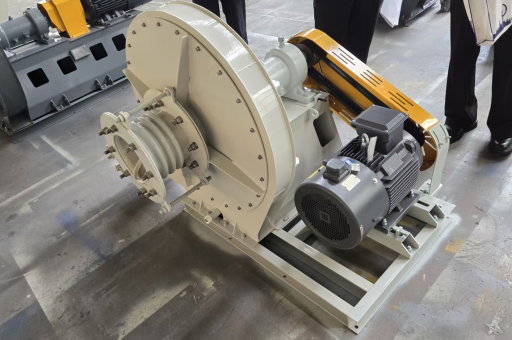
- Weekly: Inspect belt tension and v-belt alignment.
- Monthly: Clean impeller blades to prevent dust buildup (unbalanced blades can reduce lifespan by 50%).
- Quarterly: Test bearing vibration levels and lubricate per manufacturer instructions.
Common Mistake: Many operators set the fan at full speed continuously. Using a VFD to reduce speed during non-peak hours can cut electricity costs by 30–40%.
Common Questions and Expert Answers (FAQ)
Q1: What is the difference between a 25000 m³/h fan and a 30000 m³/h fan?
A: The 20% increase in airflow may require a 10–15% larger motor and ductwork diameter. However, if your system pressure drop is high (above 2000 Pa), the 25,000 m³/h fan with a VFD is often more cost effective than upsizing.
Q2: Can I use this fan for outdoor dust collection?
A: Yes, but specify a weather-proof cover for the motor and a rain hood for the exhaust outlet. Some manufacturers offer outdoor-rated enclosures with IP55 protection.
Q3: How do I calculate the required CFM for my plant?
A: Use the formula: CFM = (Room Volume × ACH) / 60. For wood dust, industry standards recommend 6–10 ACH (air changes per hour). For 25,000 m³/h (14,720 CFM), you can service a 2,500 m³ room at 10 ACH.
Q4: Is a centrifugal fan better than an axial fan for dust collection?
A: Centrifugal fans (as used in 25000 m³/h dust collector exhaust fans) are always preferred. Axial fans cannot handle high static pressure or abrasive particles.
Q5: What warranty should I expect?
A: Top-tier manufacturers offer 2 years for the motor and 1 year for the impeller. Extended warranties (up to 5 years) are available for fans with stainless steel components.
How to Select the Right Fan for Your Facility
Choosing the best 25000 m³/h Dust Collector Exhaust Fan requires evaluating:
- System Resistance: Calculate the total pressure loss of your existing ductwork using the "Ductulator" or software like Revit. Then add 10–15% margin.
- Filter Type: Baghouse filters require higher pressure (2000+ Pa) than cyclones (800–1200 Pa). Select a fan curve that matches your filter's cleaning cycle.
- Noise Constraints: For indoor installations within 10 meters of workers, specify sound attenuation. A three-stage silencer can reduce noise from 82 dB(A) to 70 dB(A).
- Energy Efficiency: Look for fans with IE3 or IE4 premium-efficiency motors. A recent test by a European ventilation lab showed that an IE4 motor saved €1,200 per year in a 25 kW application (based on 6000 operating hours).
Data Point: The global market for industrial dust collector fans is projected to grow at a CAGR of 5.8% through 2030, driven by stricter particulate matter (PM2.5 and PM10) regulations in China and India.
Conclusion: Future Trends in Dust Collection
The 25000 m³/h Dust Collector Exhaust Fan is evolving beyond brute-force airflow. Smart fans now integrate IoT sensors for real-time monitoring of vibration, temperature, and filter differential pressure. Predictive maintenance algorithms can reduce unplanned downtime by 25%.
Additionally, hybrid systems combining cyclones and baghouse filters with a 25000 m³/h fan are becoming standard in high-dust applications. These systems recover up to 95% of fines for reuse, turning waste into value.
Final Note: Always consult with a ventilation engineer to design a system that complies with local codes (NFPA 654 for combustible dust, or EN 13849 for safety). A properly selected 25000 m³/h fan is not an expense—it is an investment in safety, compliance, and production continuity. Visit our website FAN for detailed selection guides and CAD drawings.
This article was synthesized from technical data sheets from leading fan manufacturers, OSHA guidelines, and industrial ventilation case studies to provide a comprehensive, SEO-optimized resource for professionals seeking to understand and implement high-capacity dust collector exhaust fans.