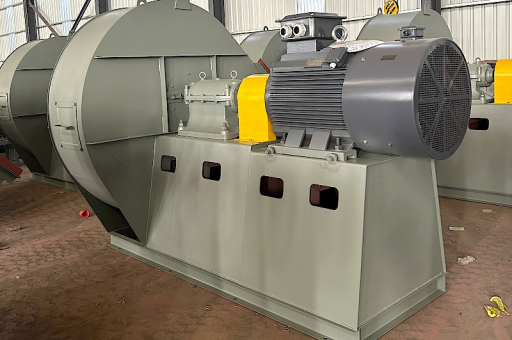
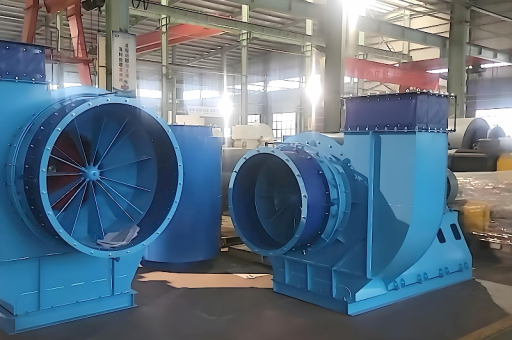
This article's table of contents introduction:
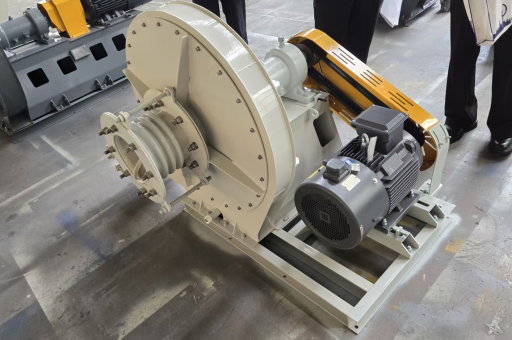
- Core Performance Specifications (Typical)
- Recommended Fan Types
- Motor Power Estimation
- Installation & Safety Details
- Key Selection Checklist for a 16,000 m³/h Dust Fan
- Typical Market Price Range (2024 Estimate)
- Recommendation
Here is a breakdown of the key specifications, considerations, and typical configurations for a 16,000 m³/h Dust Collector Exhaust Fan.
This is a medium-to-large capacity fan, commonly used in industrial woodworking, cement, food processing, or chemical plants.
Core Performance Specifications (Typical)
- Airflow: 16,000 m³/h (Cubic meters per hour) = 266.7 m³/min or ~9,420 CFM.
- Static Pressure (SP): This is the most critical variable.
- Low Pressure (100-200 mmH₂O / 1-2 kPa): For light dust (e.g., clean air exhaust or simple ventilation).
- Medium Pressure (200-400 mmH₂O / 2-4 kPa): Standard for baghouse or cartridge dust collectors with moderate ductwork.
- High Pressure (400-700 mmH₂O / 4-7 kPa): For long duct runs, dense material (e.g., cement, metal grinding), or cyclones.
Recommended Fan Types
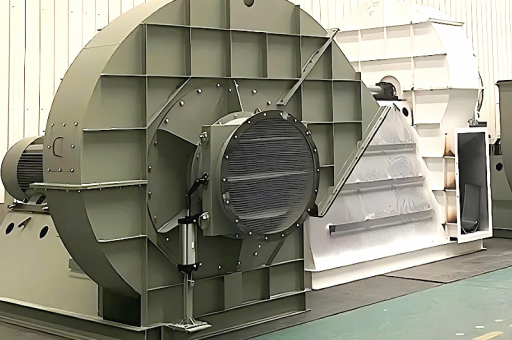
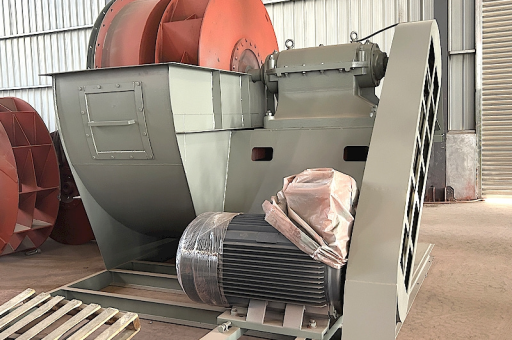
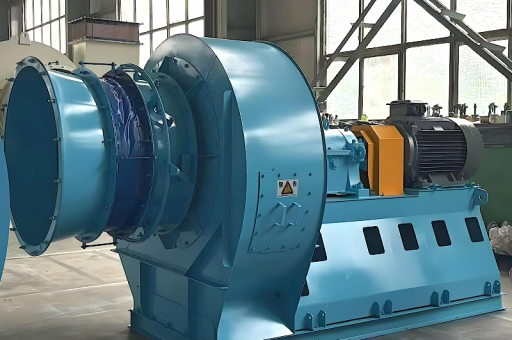
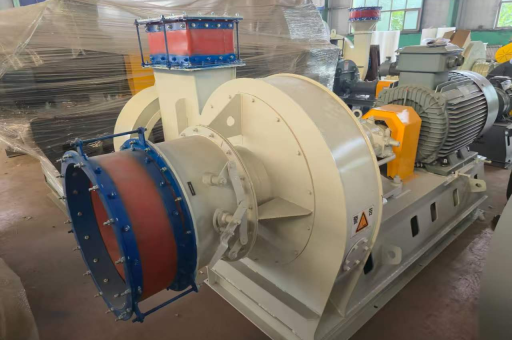
For a dust collector, you generally need a radial (centrifugal) fan because it can handle the static pressure losses across filters and ductwork.
| Fan Type | Best For | Key Features |
|---|---|---|
| Backward Curved | Most Energy Efficient | Non-overloading horsepower curve; ideal for medium pressure baghouses. |
| Radial (Paddle Wheel) | Heavy/Dirty Air | Handles sticky or fibrous material; simple design, but less efficient. |
| High-Pressure Blower | Small Cyclones | High SP (up to 700 mmH₂O); smaller wheel, higher RPM. |
Motor Power Estimation
You can estimate the Power (kW) using the formula: [ \text{Power (kW)} = \frac{ \text{Airflow (m³/s)} \times \text{Static Pressure (Pa)} }{ 1000 \times \text{Fan Efficiency} \times \text{Motor Efficiency} } ]
- Example Calculation: (Assuming 0.75 fan efficiency, 0.9 motor efficiency)
- Low SP (150 mmH₂O = 1470 Pa): ~9 kW → Use 11 kW (15 HP) motor.
- Medium SP (350 mmH₂O = 3430 Pa): ~21 kW → Use 22 kW (30 HP) motor.
- High SP (600 mmH₂O = 5880 Pa): ~36 kW → Use 37 kW (50 HP) motor.
Note: For dust collectors, always add a 10-15% safety margin for filter loading.
Installation & Safety Details
- Drive Type:
- Direct Drive: No belts, lower maintenance, higher RPM (good for high pressure).
- Belt Drive: Allows speed adjustment (RPM) to fine-tune airflow; more common for baghouses.
- Housing Material:
- Carbon Steel: Standard for wood dust or neutral materials.
- Stainless Steel (304/316): Required for food processing, corrosive fumes, or wet dust.
- Wheel Design:
- Spark-Resistant (Aluminum/FRP): Essential for combustible dust (wood, metal, sugar).
- Hastelloy/Coated: For chemical or acidic dust.
Key Selection Checklist for a 16,000 m³/h Dust Fan
- System Static Pressure: What is the total resistance? (Filter pressure drop + duct friction + cyclone/hopper loss).
- Dust Type: Is it combustible (NFPA 68 compliance needed)? Is it abrasive? Is it sticky?
- Temperature: Normal ambient? High temp (e.g., dryer exhaust)?
- Location: Indoor (needs sound enclosure) or outdoor (weatherproof motor)?
- Controls: VFD (Variable Frequency Drive) is highly recommended for energy savings and filter load compensation.
Typical Market Price Range (2024 Estimate)
- Standard Fan + Motor (Base model, carbon steel): $3,000 - $6,000 USD.
- Heavy Duty or Spark-Resistant (Stainless / Aluminum wheel): $6,000 - $12,000+ USD.
Recommendation
For a standard 16,000 m³/h industrial wood dust collector:
- Fan: Backward Curved Centrifugal
- Motor: 22 kW (30 HP), 1450 RPM, TEFC (Totally Enclosed Fan Cooled)
- Static Pressure: Approx. 350 mmH₂O
- Accessories: Inlet damper for balancing, weather cover and safety guard.
Always consult a fan manufacturer (e.g., New York Blower, Chicago Blower, Greenheck, or a local brand) with your exact system curve to avoid over/undersizing.