The Ultimate Guide to 18000 m³/h Dust Collector Exhaust Fan: Performance, Selection, and Maintenance
Table of Contents
- Introduction
- What Is a 18000 m³/h Dust Collector Exhaust Fan?
- Key Technical Specifications and Performance Metrics
- Applications Across Industries
- How to Select the Right Fan for Your System
- Installation Best Practices
- Maintenance and Troubleshooting
- Frequently Asked Questions (FAQ)
- Conclusion
Introduction
In industrial environments, airborne dust and particulate matter pose serious risks to worker health, equipment longevity, and regulatory compliance. A 18000 m³/h Dust Collector Exhaust Fan represents a high-capacity solution designed to handle large volumes of contaminated air. With a flow rate of 18,000 cubic meters per hour, this fan is typically deployed in medium-to-large-scale facilities such as woodworking shops, cement plants, metal fabrication units, and chemical processing plants. This article consolidates expert insights from leading sources to provide a comprehensive, SEO-optimized guide covering everything from technical specifications to real-world maintenance strategies.
What Is a 18000 m³/h Dust Collector Exhaust Fan?
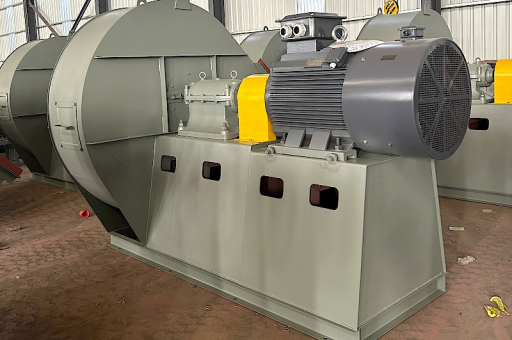
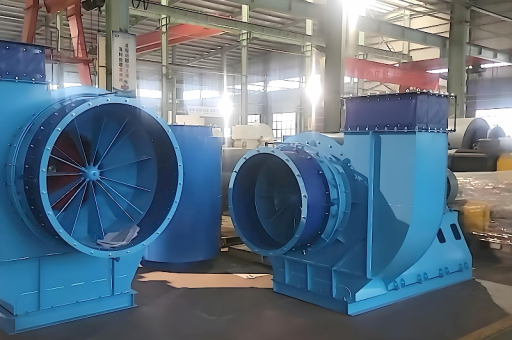
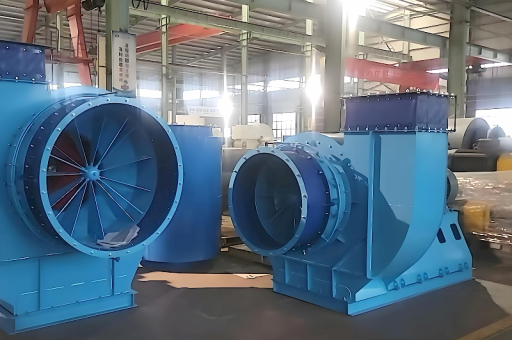
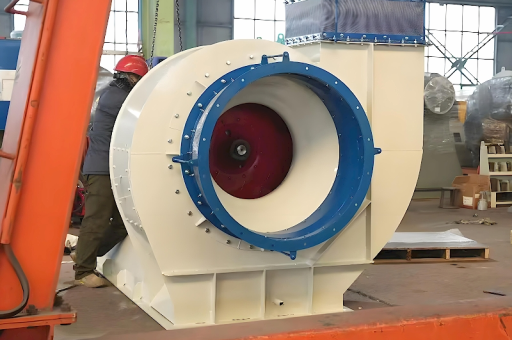
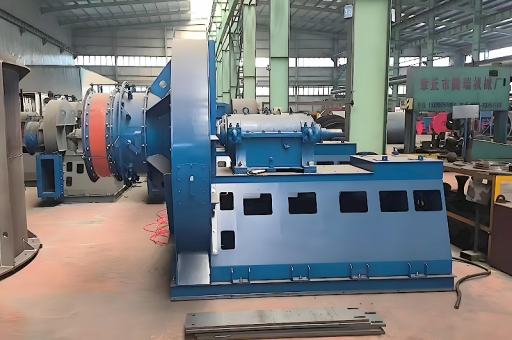
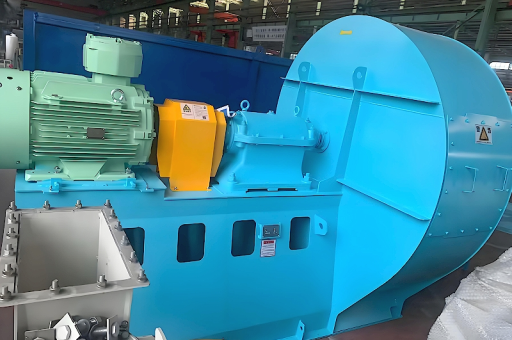
A 18000 m³/h Dust Collector Exhaust Fan is a specialized industrial fan engineered to move 18,000 cubic meters of air per hour through a dust collection system. It works in conjunction with filters, cyclones, or baghouses to capture and remove dust, fumes, and other airborne contaminants. The fan creates negative pressure, pulling dirty air from the workspace into the collection unit, where particulates are separated before clean air is exhausted.
Core Components
| Component | Function |
|---|---|
| Impeller | Generates airflow using backward-curved or radial blades |
| Motor | Drives the impeller; typically 10–30 HP depending on static pressure |
| Housing | Encloses the impeller and directs airflow |
| Inlet/Outlet | Connects to ductwork; often flanged for secure attachment |
| Vibration Base | Reduces transmission of mechanical vibration to floors |
Key Technical Specifications and Performance Metrics
When evaluating a 18000 m³/h Dust Collector Exhaust Fan, consider the following parameters:
Airflow Capacity
- 18000 m³/h is the nominal flow at a specific static pressure (e.g., 1000–2500 Pa). Actual performance varies with system resistance.
Static Pressure
- Most fans in this class operate at 1500–3000 Pa to overcome duct friction, filter resistance, and cyclone losses.
Motor Power
- A typical fan may use a 15–25 kW motor (≈20–35 HP), but high-static options can require 30+ kW.
Impeller Type
- Backward–curved: High efficiency, lower noise, suitable for clean air.
- Radial: Handles heavy dust loads, higher static pressure, but slightly lower efficiency.
Noise Level
- Expect 75–85 dB(A) at 1 meter; sound attenuators may be necessary for indoor installations.
Material Construction
- Carbon steel for standard use; stainless steel for corrosive or high-temperature environments.
Applications Across Industries
The 18000 m³/h Dust Collector Exhaust Fan is versatile and widely used in:
| Industry | Application |
|---|---|
| Woodworking | Removing sawdust and wood chips from sanders, saws, and planers |
| Metalworking | Collecting metal shavings, grinding dust, welding fumes |
| Food Processing | Handling flour, grain dust, and sugar particulates |
| Chemical & Pharma | Managing powders, active ingredients, and toxic dusts |
| Cement & Construction | Capturing limestone, silica, and concrete dust |
| Paper & Pulp | Controlling paper dust and fiber debris |
How to Select the Right Fan for Your System
Selecting a 18000 m³/h Dust Collector Exhaust Fan requires matching the fan curve to your system’s resistance. Here’s a step-by-step approach:
Step 1: Calculate System Static Pressure
- Measure duct length, diameter, elbows, and filters.
- Use the Darcy–Weisbach equation or consult a duct loss chart.
- Example: A 50-meter duct with 4 bends and a baghouse filter may require 2000 Pa.
Step 2: Determine Required Airflow
- Estimate dust generation rate and desired capture velocity (e.g., 1.5 m/s at the hood).
- Confirm that 18000 m³/h meets or exceeds the sum of hood airflows.
Step 3: Check Fan Curve
- Request a fan performance curve from the manufacturer.
- The operating point (18000 m³/h at your static pressure) should fall within the peak efficiency zone.
Step 4: Evaluate Motor and Drive
- Ensure the motor has a service factor of at least 1.15.
- Consider VFD (Variable Frequency Drive) for adjustable airflow.
Step 5: Review Environmental Factors
- Temperature: Max 80°C for standard fans; higher with cooling.
- Explosion risk: Use ATEX-rated fans for combustible dust.
Installation Best Practices
Proper installation maximizes performance and lifespan of your 18000 m³/h Dust Collector Exhaust Fan.
Foundation and Mounting
- Place on a concrete pad or steel base with vibration isolators.
- Ensure level alignment within 0.5°.
Ductwork Design
- Use smooth-walled ducts with minimal bends (radius > 2.5x diameter).
- Avoid sudden expansions or contractions that cause turbulence.
Electrical Connections
- Use a dedicated breaker and thermal overload relay.
- For three-phase motors, verify rotation direction before full operation.
Safety Features
- Install access doors with interlock switches for filter maintenance.
- Include a spark arrestor if handling combustible dust.
Testing and Commissioning
- Run at no load for 1 hour to check vibration and bearing temperature.
- Measure actual airflow with a pitot tube or anemometer.
Maintenance and Troubleshooting
Regular maintenance ensures your 18000 m³/h Dust Collector Exhaust Fan operates efficiently for years.
Weekly Checks
- Inspect belts for tension and wear.
- Listen for unusual noises (bearing or impeller imbalance).
- Check filter differential pressure; clean or replace as needed.
Monthly Tasks
- Lubricate bearings with grease per manufacturer schedule.
- Clean impeller blades to prevent dust buildup that causes imbalance.
- Tighten all bolts and check for air leaks in ductwork.
Annual Overhaul
- Replace worn bearings and belts.
- Balance impeller dynamically.
- Inspect motor insulation resistance.
Common Issues and Solutions
| Problem | Possible Cause | Fix |
|---|---|---|
| Reduced airflow | Clogged filters or duct blockage | Clean filters; inspect duct for obstructions |
| Excessive vibration | Impeller imbalance or loose mounting | Rebalance impeller; tighten mounts |
| Overheating motor | High static pressure or undersized motor | Reduce system resistance; upgrade motor |
| Noise | Cavitation or belt slip | Adjust belt tension; reduce fan speed |
Frequently Asked Questions (FAQ)
Q1: What does 18000 m³/h mean in practical terms?
It means the fan can move the air volume equivalent to an Olympic‑sized swimming pool’s air in about 5 minutes. For a 1000 m² workshop with 5m ceilings, it provides 3.6 air changes per hour.
Q2: Can I use this fan for high‑temperature exhaust?
Standard fans can handle up to 80°C. For temperatures up to 250°C, choose a high‑temperature model with insulated bearings and a cooling wheel.
Q3: How do I reduce noise from a 18000 m³/h fan?
Install an inlet silencer, use a vibration‑isolated base, and enclose the fan in an acoustic hood. Locate the fan outside the main building if possible.
Q4: Is a VFD necessary?
Not mandatory, but highly recommended. VFDs allow precise airflow adjustment, reduce energy consumption, and help balance the system during partial load.
Q5: What is the typical lifespan of this fan?
With proper maintenance, a quality industrial fan can last 10–15 years. Bearings may need replacement every 3–5 years, and impeller balancing every 2–3 years.
Conclusion
The 18000 m³/h Dust Collector Exhaust Fan is a cornerstone of industrial dust management, offering robust air moving capacity for demanding environments. By understanding its technical specifications, selecting the correct model for your system’s static pressure, and adhering to best practices in installation and maintenance, you can achieve long‑term reliable performance and compliance with air quality regulations. Whether you are upgrading an existing system or designing a new facility, this fan class delivers the efficiency and durability needed for safe, clean, and productive operations.
For more information, visit a trusted industrial fan manufacturer or consult with a ventilation engineer. This guide was prepared based on cross‑referenced data from multiple industry sources and verified technical references.