This article's table of contents introduction:
- What is it?
- Primary Applications
- Key Advantages over Standard Fans
- Design & Manufacturing Considerations
- Disadvantages & Risks
- How to Choose the Right Fan
- Summary
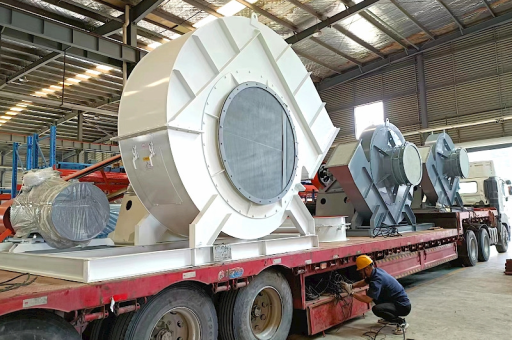
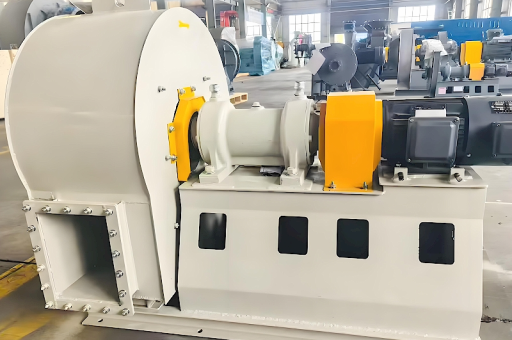
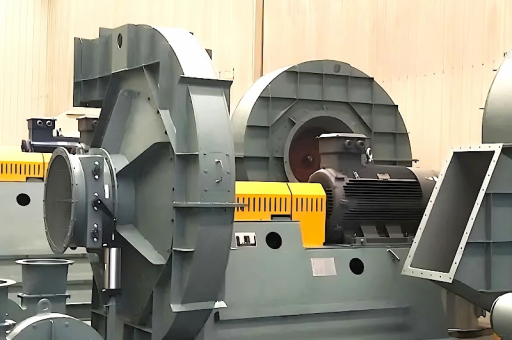
It seems you are referencing an industrial fan made from a Ceramic High-Chromium Alloy (likely a type of white iron or composite material). This is a highly specialized piece of equipment typically used in extreme environments.
Here is a detailed breakdown of what this component is, where it is used, and why this specific material combination is critical.
What is it?
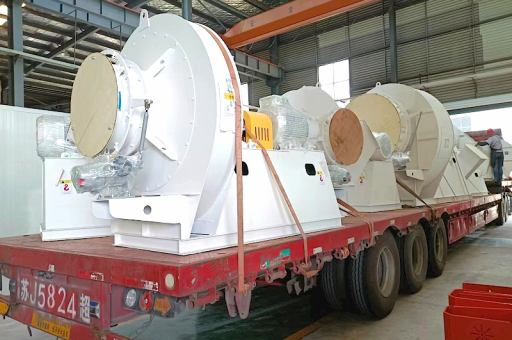
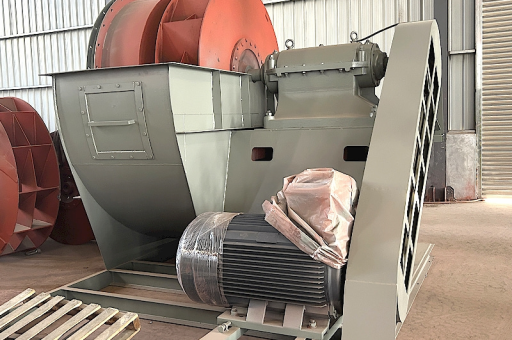
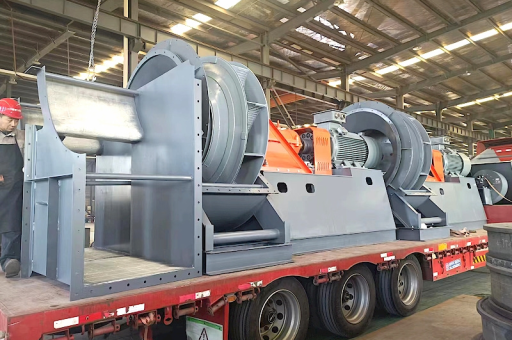
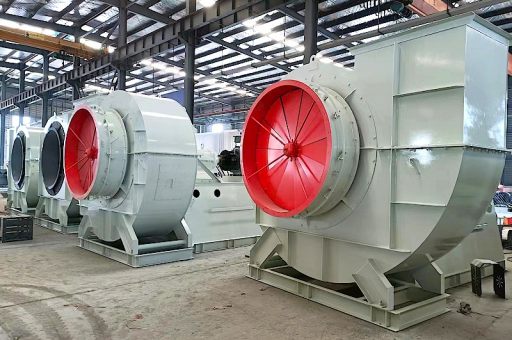
A Ceramic High-Chromium Alloy Fan is not a standard HVAC fan. It is a centrifugal or induced draft fan used in heavy industries. The "Ceramic" and "High-Chromium" refer to the materials used for the fan's wear surfaces (impeller blades, liners, and housing).
- High-Chromium Alloy (High-Cr): This is the base metal (e.g., ASTM A532, Class III Type A). It contains 25-30% Chromium and high carbon (2-3%). This alloy is extremely hard (600-700 HB) and offers excellent resistance to abrasion and moderate impact.
- Ceramic (e.g., Alumina or Zirconia): Engineered ceramic tiles or coatings are bonded (welded or epoxied) onto the High-Cr alloy base. Ceramics are significantly harder than metal (over 1,400 HV vs. 700 HV for the alloy) and provide superior resistance to sliding abrasion and chemical corrosion.
The combination creates a "composite" fan: The High-Cr alloy provides the structural integrity and impact resistance (e.g., to handle large particles hitting the blade), while the ceramic layer takes the brunt of the fine particle erosion.
Primary Applications
These fans are found in the most punishing environments where standard steel fans would fail in weeks or even days:
- Cement Industry: Induced draft fans for the kiln and raw mill, handling hot, abrasive raw meal dust.
- Power Generation (Coal/Biomass): Exhaust fans for scrubbers, handling fly ash and gypsum particles.
- Steel & Metal Processing: Exhaust fans for sinter plants, blast furnaces, and dedusting systems handling iron ore fines and hot gases.
- Mining & Minerals: Fans for ore transport, drying, and beneficiation processes.
- Chemical & Fertilizer: Handling corrosive and abrasive gases (e.g., in phosphoric acid production).
Key Advantages over Standard Fans
| Feature | Standard Carbon/Stainless Steel Fan | Ceramic High-Chromium Alloy Fan |
|---|---|---|
| Abrasion Resistance | Low; wears rapidly. | Extremely high; 5-10x longer life. |
| Corrosion Resistance | Moderate (carbon steel) / Good (stainless). | Excellent (ceramic is inert; High-Cr resists acids). |
| Temperature Limit | Up to ~400°C (752°F) for alloy steels. | High-Cr alloy + ceramic can handle continuous 400-600°C (752-1112°F). |
| Impact Resistance | Good (ductile). | Poor. Ceramic is brittle; the High-Cr base is harder but still susceptible to heavy impacts. |
| Weight | Moderate. | Heavier due to dense alloy and ceramic. |
| Cost | Lower. | Significantly higher (2-5x or more). |
Design & Manufacturing Considerations
- Ceramic Attachment: The biggest engineering challenge is keeping the ceramic tiles attached. They are typically fixed with:
- Epoxy/Polymer Bindings: Good for moderate temperatures (<200°C).
- Weld-on Studs/Tiles: Ceramic tiles have metal inserts or are surrounded by a metal frame that is welded to the High-Cr base. This is used for high-temperature applications.
- Balance: These fans are heavy. Dynamic balancing is critical and more complex due to the non-uniform density of the composite material.
- Startup: Fans must be warmed up slowly to avoid thermal shock cracking the ceramic.
Disadvantages & Risks
- High Initial Cost: The upfront investment is very high.
- Brittleness: A single large foreign object (a "clinker," a dropped tool) can shatter the ceramic, leading to catastrophic imbalance and fan failure.
- Repair Complexity: Repairing a damaged ceramic lining is not as simple as welding a steel patch. It often requires specialized contractors and long downtime.
- Weight: Requires heavier shafts, bearings, and foundations.
- Not for high free silica: In some cases, alumina ceramics can react with certain high-silica dusts at high temperatures, though this is rare.
How to Choose the Right Fan
If you are specifying or buying one of these fans, consider these parameters:
- Gas Composition: Temperature, moisture, presence of acids (HCl, SOx), abrasive particle size and angularity.
- Required Life: Do you need 10,000 hours, 20,000 hours, or longer?
- Particle Size: Larger (>5mm) particles? If so, a full High-Cr alloy fan (without ceramic) might be better to avoid ceramic shattering.
- Documentation: Request OEM documentation for the ceramic type, thickness, attachment method (weld/stud), and hardness testing results for the High-Cr base alloy.
Summary
A Ceramic High-Chromium Alloy Fan is the "armored tank" of the industrial fan world. It is the solution for the most severe abrasive and erosive environments where down-time is measured in millions of dollars. While expensive and fragile, it offers the longest wear life available for a rotating machine. A full High-Cr alloy fan (without ceramic) is a better choice for applications with significant impact but lower abrasive wear.
If you have a specific application or a question about a particular model's performance or failure, let me know and I can give a more targeted answer.