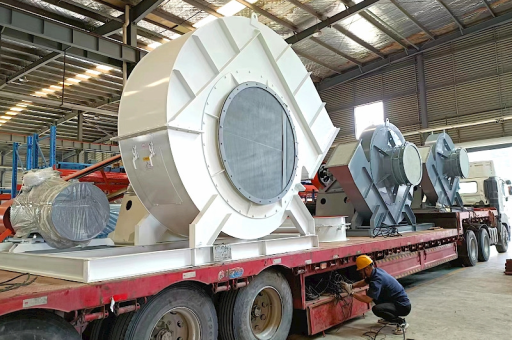
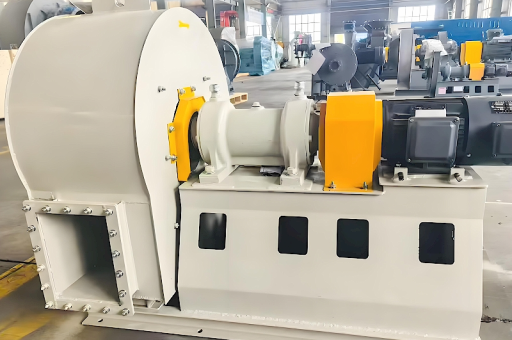
This article's table of contents introduction:
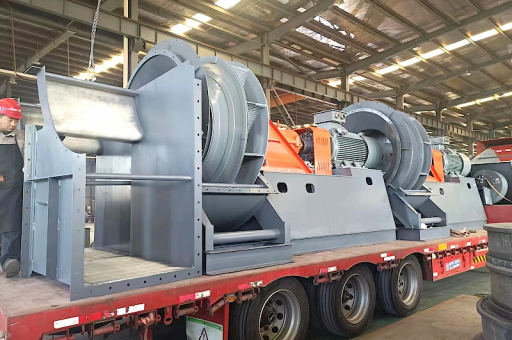
- A Centrifugal Fan Used for Steam (e.g., in a Boiler or Power Plant)
- A Fan Powered by Steam (Steam Turbine Driven Fan)
- A Paradox: "Steam" as a Mistranslation or Misunderstanding
- Summary Table for Clarity
- If you are looking for a specific product:
It seems like you're asking about a Centrifugal Steam Fan — but that term has a few possible interpretations depending on the context. Here’s a breakdown of the most likely meanings, from industrial equipment to thermodynamics.
A Centrifugal Fan Used for Steam (e.g., in a Boiler or Power Plant)
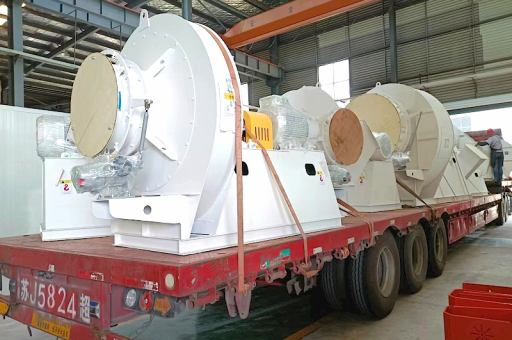
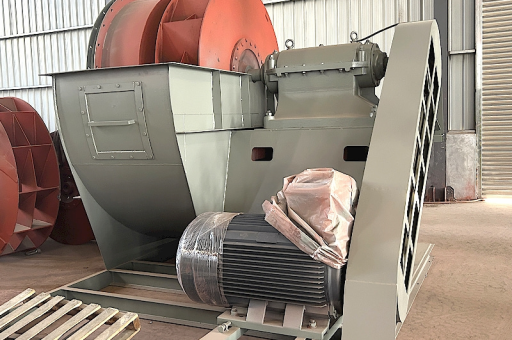
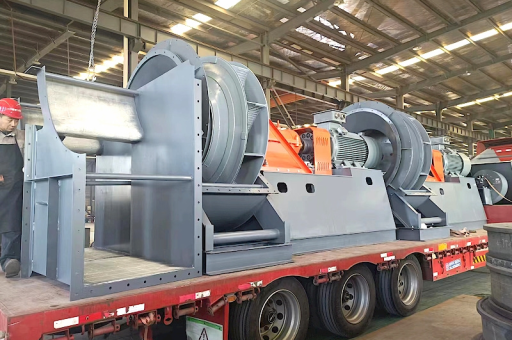
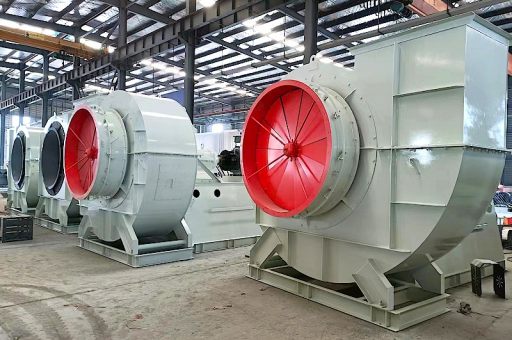
This is the most common industrial interpretation. Here, "steam" refers to the substance being moved (or the environment the fan operates in).
- Function: A centrifugal fan (also called a blower) that pulls or pushes steam (water vapor) or air mixed with steam.
- Applications:
- Forced Draft (FD) Fans: Pushing air into a boiler to help burn fuel.
- Induced Draft (ID) Fans: Pulling hot exhaust gases (which contain steam) out of a boiler and up a chimney.
- Steam Turbine Cooling: Circulating air over a condenser or cooling tower where steam is being condensed.
- Key Design Features:
- High Temperature Resistance: Made of steel alloys that can withstand 100°C+ (steam temperature).
- Corrosion Resistance: Coated or made of stainless steel to handle moisture and acidic condensate.
- Explosion-proof motors: If near flammable gases.
- How it works: The fan uses a rotating impeller to create centrifugal force. Air/steam enters the center (eye) of the impeller, is flung outward by blades, and exits at high pressure through a volute casing.
A Fan Powered by Steam (Steam Turbine Driven Fan)
Here, "steam" is the energy source, not the fluid being moved.
- Function: Instead of an electric motor, the fan is coupled to a small steam turbine. High-pressure steam from a boiler turns the turbine blades, which spins the centrifugal fan.
- Why use it?
- Reliability: In a power plant or refinery, steam is abundant and can be used even if the electrical grid fails.
- Speed Control: Steam flow can be regulated to vary fan speed smoothly.
- High Power: Steam turbines are powerful for heavy-duty industrial fans.
- Common Name: A Turbine-Driven Fan or Steam Turbine Centrifugal Fan.
A Paradox: "Steam" as a Mistranslation or Misunderstanding
It's possible you are thinking of Steam Turbines or Steam Ejectors (which are not fans but use steam flow to create a vacuum).
- Difference:
- A Centrifugal Fan moves a large volume of gas/steam at low to moderate pressure.
- A Steam Ejector uses a high-speed jet of steam to "suck" gas (no moving parts, but it is not a fan).
Summary Table for Clarity
| Term | What "Steam" Refers To | The Device |
|---|---|---|
| Centrifugal Steam Fan (Process) | The gas being moved (water vapor) | A fan that blows or draws steam. |
| Steam Turbine Fan | The power source (energy) | A fan driven by a steam turbine. |
| Steam Ejector | The working fluid | A jet pump, not a fan. |
If you are looking for a specific product:
- Search terms for a supplier: "High temperature centrifugal fan for steam exhaust," "Steam blower," or "Boiler induced draft fan."
- Key specs to ask about:
- Maximum temperature of the steam/gas (e.g., 150°C, 250°C).
- Material (Carbon steel, Stainless Steel 304/316, Hastelloy).
- Static pressure (inches WC or Pa).
- Flow rate (CFM or m³/h).
Which of these scenarios matches your question? I can give you more specific details on design, selection, or suppliers.