This article's table of contents introduction:
- Table of Contents
- Introduction: Why Stainless Steel Air Conditioning Fans Matter
- What Are Stainless Steel Air Conditioning Fans?
- Key Advantages Over Standard AC Fans
- Common Applications and Industries
- Material Science: Why Stainless Steel (304 vs 316)
- Performance Considerations: Airflow, Noise, and Energy Efficiency
- Installation and Maintenance Best Practices
- Frequently Asked Questions (FAQ)
- Conclusion: Making the Right Investment
Table of Contents
- Introduction: Why Stainless Steel Air Conditioning Fans Matter
- What Are Stainless Steel Air Conditioning Fans?
- Key Advantages Over Standard AC Fans
- Common Applications and Industries
- Material Science: Why Stainless Steel (304 vs 316)
- Performance Considerations: Airflow, Noise, and Energy Efficiency
- Installation and Maintenance Best Practices
- Frequently Asked Questions (FAQ)
- Conclusion: Making the Right Investment
Introduction: Why Stainless Steel Air Conditioning Fans Matter
In environments where reliability and longevity are non-negotiable, the choice of materials in HVAC components directly impacts system performance and operational costs. Stainless steel air conditioning fans have emerged as the preferred solution for demanding settings—from coastal facilities exposed to salt spray to food processing plants requiring strict hygiene standards. Unlike conventional galvanized or painted fans, stainless steel variants resist corrosion, withstand high temperatures, and maintain structural integrity under continuous operation. This guide explores why upgrading to stainless steel is a strategic decision for facility managers, engineers, and procurement specialists.
What Are Stainless Steel Air Conditioning Fans?
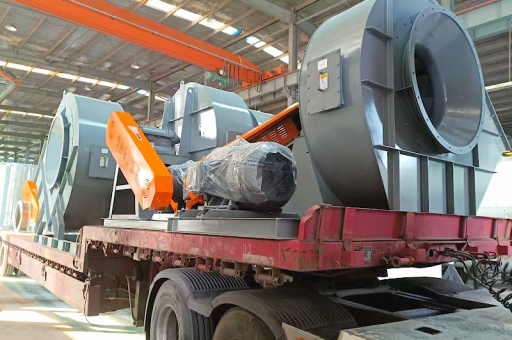
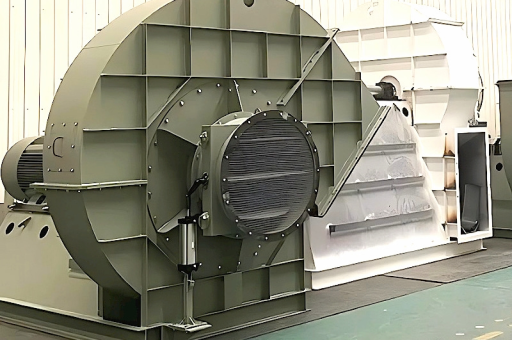
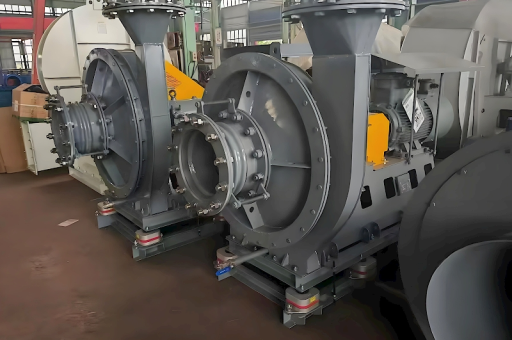
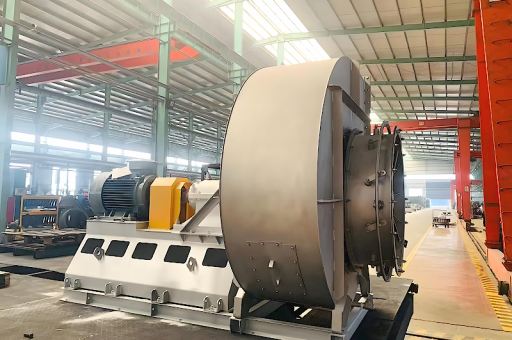
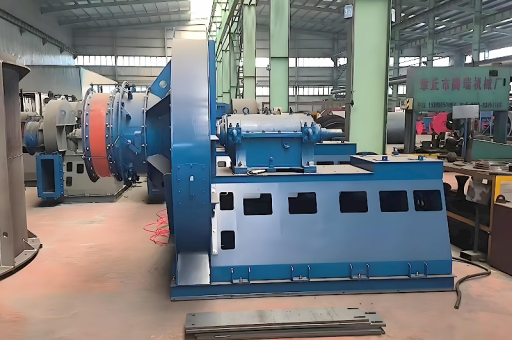
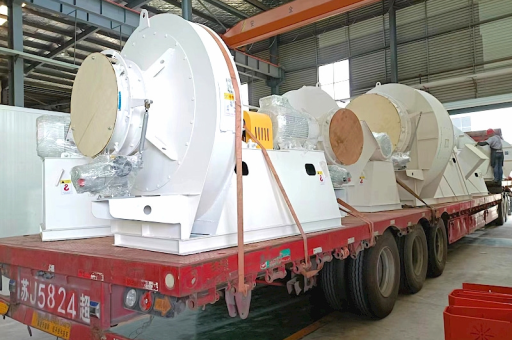
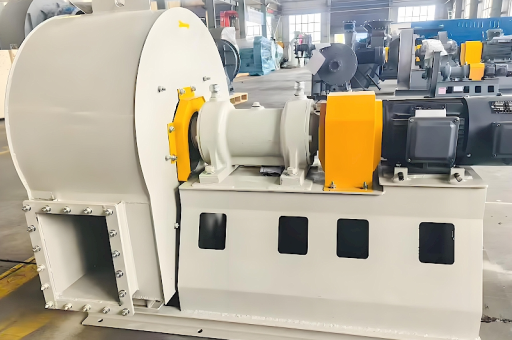
A stainless steel air conditioning fan refers to the fan assembly—including blades, hub, housing, and sometimes the motor mount—constructed from corrosion-resistant stainless steel alloys. These fans are designed for use in HVAC systems, condenser units, evaporators, and industrial ventilation. They range from axial fans (common in residential and light commercial AC units) to centrifugal fans used in high-static-pressure ductwork. The defining feature is material selection: instead of carbon steel or aluminum, the fan components are fabricated from grades such as SS304 or SS316, which offer superior resistance to rust, chemicals, and thermal stress.
Key Advantages Over Standard AC Fans
| Feature | Standard Fan (Galvanized/Aluminum) | Stainless Steel Fan |
|---|---|---|
| Corrosion Resistance | Moderate; prone to rust in humid or salty environments | Excellent; withstands salt, chemicals, and moisture |
| Lifespan | 3–7 years (outdoor exposed) | 10–20+ years with minimal maintenance |
| Temperature Tolerance | Up to ~200°F (93°C) | Up to ~800°F (427°C) depending on grade |
| Hygiene Compliance | May harbor bacteria in crevices | Non-porous surface; easy to sanitize |
| Mechanical Strength | Adequate for most residential use | Higher impact and fatigue resistance |
| Cost | Lower upfront | Higher upfront; lower total cost of ownership |
Key Takeaway: While initial investment is higher, stainless steel fans reduce replacement frequency and unplanned downtime, making them cost-effective for critical operations.
Common Applications and Industries
Stainless steel air conditioning fans are not limited to niche scenarios. They are increasingly specified in:
- Marine and Offshore HVAC: Offshore platforms, ship cabins, and port buildings face constant salt spray. Galvanized fans often fail within 18 months; stainless steel fans last years.
- Food and Beverage Processing: Harsh washdown environments with caustic cleaners demand non-reactive, easy-to-clean fan surfaces.
- Pharmaceutical and Cleanrooms: Compliance with GMP and FDA guidelines requires materials that resist corrosion and particle shedding.
- Chemical Plants: Exposure to acidic or alkaline vapors makes stainless steel (especially SS316) a safety and operational necessity.
- Data Centers: High-reliability cooling systems benefit from fans that can run continuously for over a decade.
- Desert and Coastal Commercial Buildings: Extremes of heat, humidity, or airborne sand corrode standard fans quickly.
Material Science: Why Stainless Steel (304 vs 316)
Not all stainless steel is created equal. The two most common grades for air conditioning fans are:
- SS304 (18/8 Stainless Steel): Contains 18% chromium and 8% nickel. Offers good corrosion resistance for most indoor and mild outdoor environments. Suitable for food processing (non-direct contact) and general HVAC upgrades.
- SS316 (Marine Grade): Adds 2–3% molybdenum, significantly improving resistance to chlorides (salt) and acidic environments. Recommended for coastal installations, chemical plants, and outdoor units near swimming pools or seawater.
Performance note: SS316 fans typically cost 20–40% more than SS304 but provide a far lower total cost of ownership in aggressive environments.
Performance Considerations: Airflow, Noise, and Energy Efficiency
Material alone does not guarantee good performance. When selecting a stainless steel AC fan, evaluate:
- Airflow (CFM): Blade geometry and pitch angle matter more than material. Ensure the fan matches the system’s static pressure curve.
- Static Pressure Capability: Centrifugal stainless steel fans excel in ducted systems needing higher resistance.
- Noise Levels: Stainless steel blades can be slightly noisier than composite blades at the same rpm unless designed with anti-vibration features.
- Motor Compatibility: A heavy-grade stainless steel impeller may require a motor with higher torque or better balancing.
- Efficiency (W/CFM): Look for fans with aerodynamic blade profiles (e.g., swept-back designs) to minimize electrical consumption.
Best Practice: Always consult fan performance curves and not just material specifications.
Installation and Maintenance Best Practices
Even the most durable fan fails if installed incorrectly. Follow these guidelines:
- Secure Mounting: Stainless steel fans are heavier. Use reinforced brackets and stainless steel fasteners (not standard steel) to prevent galvanic corrosion.
- Electrical Grounding: Ensure proper grounding to avoid stray currents accelerating pitting corrosion.
- Periodic Cleaning: Use mild soap and water or specialized stainless steel cleaners. Avoid chlorine-based cleaners on SS304.
- Inspect Blade Balance: Accumulated dirt or ice can unbalance blades. Stainless steel fans are heavier, so imbalance stresses bearings more.
- Lubrication: Check if the fan uses sealed bearings; otherwise, follow OEM grease intervals.
- Spare Parts: Stock a spare fan for critical applications. Stainless steel fans may have longer lead times than commodity models.
Frequently Asked Questions (FAQ)
Q1: Can I replace my existing galvanized AC fan with a stainless steel fan directly? Yes, provided the new fan matches the original mounting dimensions, shaft diameter, and performance curve (CFM/static pressure). You may need to upgrade the motor if the stainless steel impeller is heavier.
Q2: Are stainless steel fans always better than plastic/composite fans? Not always. Composite fans (e.g., glass-filled nylon) can be lighter, quieter, and more corrosion-resistant in some chemical environments. However, composites degrade under UV sunlight and high heat over time. Stainless steel is superior for durability and extreme conditions.
Q3: How do I identify the correct stainless steel grade for my project? If the installation is near the ocean, within a chemical processing area, or subject to frequent washdowns with chlorinated cleaners, choose SS316. For most indoor HVAC upgrades, SS304 is sufficient.
Q4: Do stainless steel fans reduce energy bills? Not inherently—energy efficiency depends on blade design and motor efficiency. However, because they maintain performance over a longer lifespan, you avoid the efficiency degradation that occurs as standard fans corrode and warp.
Q5: Are stainless steel fans louder? They can be slightly noisier at identical rpm due to material density. Choose models with noise-optimized blade designs (e.g., serrated trailing edges) to counter this.
Q6: Can stainless steel fans be used in wind turbine cooling systems? Yes. In wind turbine nacelles, stainless steel fans cool generators and gearboxes. Their resistance to vibration fatigue and temperature swings makes them ideal for this application. Some wind turbine manufacturers now use custom stainless steel axial fans for nacelle ventilation, especially in offshore installations.
Q7: What is the warranty period for stainless steel air conditioning fans? Reputable manufacturers offer 3–5 years for SS304 and up to 10 years for SS316, provided the fan is used within specified environmental limits.
Conclusion: Making the Right Investment
Choosing a stainless steel air conditioning fan is not merely about rust prevention—it is a strategic decision that impacts system reliability, maintenance costs, and compliance. For facilities in coastal, chemical, or high-hygiene sectors, the higher upfront cost is quickly offset by reduced downtime and extended service intervals. Even in standard commercial HVAC, upgrading to SS304 reduces long-term total ownership costs by eliminating the need for fan replacements halfway through the system's expected life.
When specifying, focus on three factors: correct stainless steel grade (304 vs 316), performance curve matching, and proper installation hardware. Whether you are cooling a ship engine room, a food processing line, or a wind turbine nacelle, stainless steel delivers the durability that standard materials cannot.