This article's table of contents introduction:
- What is a Stainless Steel Air Supply Fan?
- Why Choose Stainless Steel? (The Key Advantage)
- Key Features & Specifications to Consider
- Common Applications
- Manufacturers & Brands (Examples)
- Summary: When should you definitely need a Stainless Steel Air Supply Fan?
This is a broad term. To give you the most accurate and helpful information, I'll break down what "Stainless Steel Air Supply Fans" are, why you would need them, the key features to look for, and common applications.
What is a Stainless Steel Air Supply Fan?
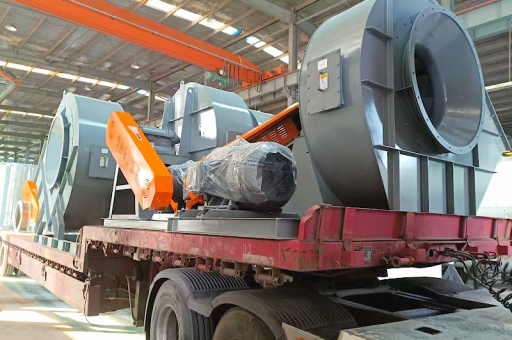
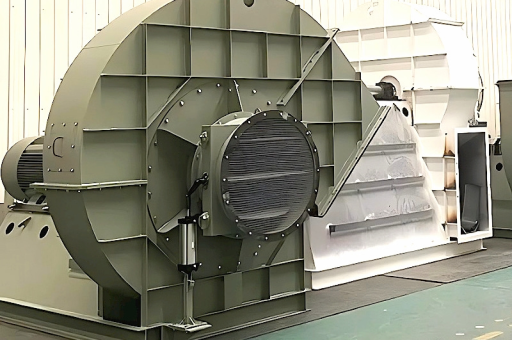
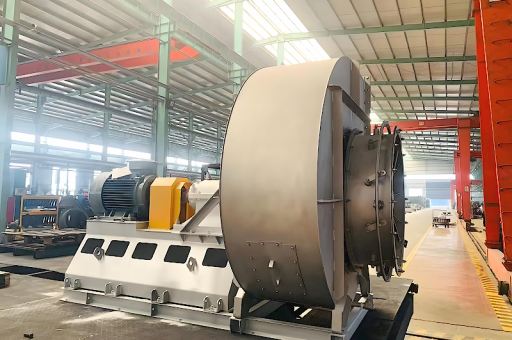
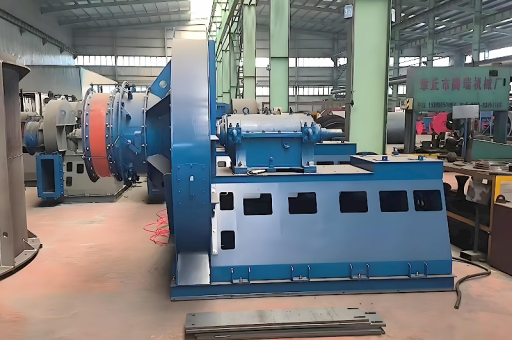
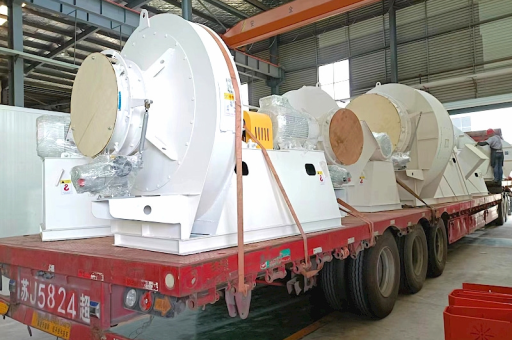
At its core, it's a fan designed to bring fresh, clean air into a space (air supply), but its housing, impeller (blades), and sometimes even the motor casing are constructed from stainless steel (typically 304 or 316 grade).
This is fundamentally different from a standard galvanized steel fan, which is cheaper but less durable in harsh environments.
Why Choose Stainless Steel? (The Key Advantage)
The primary reason is corrosion resistance. Standard steel will rust and degrade quickly in certain environments. Stainless steel offers superior protection against:
- Moisture & Humidity: Kitchens, bathrooms, indoor pools, marine applications.
- Chemicals & Fumes: Laboratories, chemical processing plants, pharmaceutical facilities, wastewater treatment.
- Hygiene Requirements: Food processing plants, cleanrooms, hospitals, where the fan itself must not be a source of contamination or rust.
- Outdoor Coastal Environments: Salt air is highly corrosive to standard metals.
Key Features & Specifications to Consider
When selecting a stainless steel air supply fan, look for these details:
- Grade of Stainless Steel:
- 304 (18/8): The most common standard. Good for general food processing, kitchens, and moderate humidity.
- 316 (Marine Grade): Contains molybdenum, making it much more resistant to chlorides (salt, bleach) and harsh acids. Crucial for coastal areas, pools, and chemical labs.
- Wheel / Impeller Material: The fan wheel (blades) should also be stainless steel. Some cheap models only have a stainless housing but a painted or aluminum wheel. For full corrosion resistance, the wheel must match.
- Motor:
- Standard TEFC (Totally Enclosed Fan Cooled): Suitable for most clean environments. Make sure it's rated for the application (e.g., washdown rated).
- Explosion-Proof: Required if the fan might draw in flammable vapors (e.g., in a paint booth or chemical storage area).
- High-Temperature: If it's used to supply air into a high-heat area (e.g., heat treat oven), the motor and bearings need special ratings.
- Mounting & Configuration:
- Inline Duct Fans: Installed directly into a ductwork run. Efficient for long or complicated paths.
- Wall-Mounted / Panel Fans: Mount on an exterior wall to pull air directly from outside. Often have shutters (backdraft dampers) to prevent air from escaping when the fan is off.
- Roof Ventilators: Mounted on the roof. Hoods protect against rain.
- Centrifugal vs. Axial:
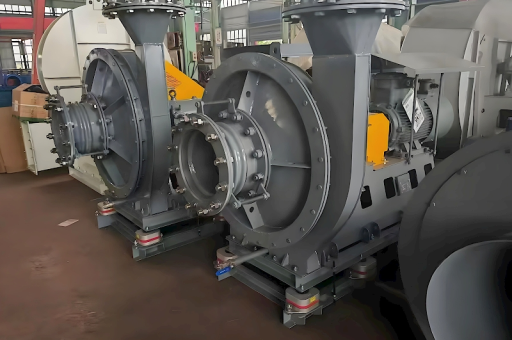
- Centrifugal (Squirrel Cage): Higher pressure, good for overcoming resistance from long ducts, filters, and coils. Essential for systems with HEPA filters.
- Axial (Propeller): High volume, lower pressure. Used for general makeup air when ductwork is short.
Common Applications
- Food & Beverage: Supplying fresh air into bakeries, breweries, kitchens, packing plants (washdown environments).
- Wastewater Treatment: Ventilation of wet wells, pump stations, and headworks where hydrogen sulfide (H2S) is corrosive.
- Marine & Offshore: Engine rooms, galleys, and living quarters on ships, docks, or oil rigs.
- Chemical & Pharmaceutical: Laboratories, cleanrooms, fume hood supply, and storage areas with corrosive vapors.
- Swimming Pools & Spas: Supplying fresh air to combat humidity and chlorine fumes.
- Commercial Kitchens: Critical for makeup air to replace air exhausted by hoods.
Manufacturers & Brands (Examples)
- Greenheck: A leading commercial/industrial fan manufacturer. Their "Model CA" (Corrosion-Resistant) line is a classic example.
- Cincinnati Fan: Known for heavy-duty industrial fans, including many stainless steel options.
- New York Blower (NYB): High-end industrial fans for severe chemical and thermal applications.
- Soler & Palau (S&P): Offers inline duct fans in stainless steel for commercial kitchens.
- Fantech: Specializes in inline fans, including stainless steel models for kitchens and pools.
- Continental Fan: Another maker of inline and industrial fans.
Summary: When should you definitely need a Stainless Steel Air Supply Fan?
- "Washdown" environment: Must withstand high-pressure cleaning with water and caustic chemicals.
- Coastal location: The fan is exposed to salty sea air.
- Food contact area: USDA/CFIA/NSF requirements mandate non-corrosive, easy-to-clean materials.
- Chemical fumes: Any space where acids, bases, or solvents might be in the air.
If you are simply ventilating a dry, clean warehouse, a standard galvanized steel fan is almost always the more cost-effective choice. The stainless steel premium is significant (often 2-3x the cost), but it's a necessary investment for longevity and safety in harsh environments.