This article's table of contents introduction:
- What is a Negative Pressure Fan?
- Why Stainless Steel?
- Key Applications (Ideal Use Cases)
- Key Features to Look For (Selection Checklist)
- Comparison: SS304 vs SS316 (Which to Choose?)
- Cost Considerations
- Common Brands (Examples)
- Summary: Is a Stainless Steel Negative Pressure Fan Right for You?
Here is a comprehensive overview of Stainless Steel Negative Pressure Fans, covering what they are, why stainless steel is used, their key applications, and selection considerations.
What is a Negative Pressure Fan?
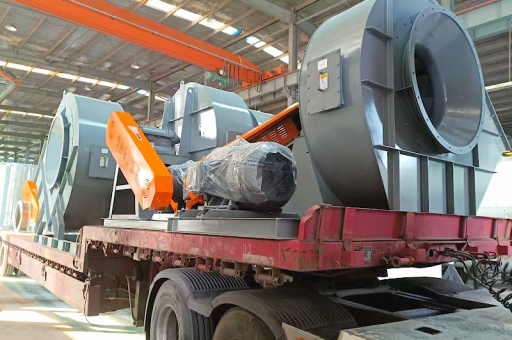
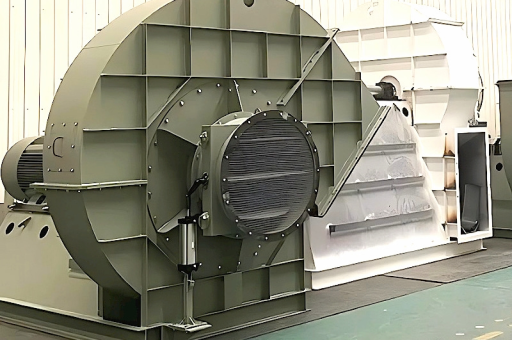
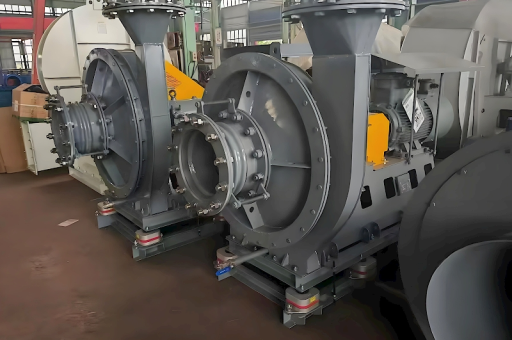
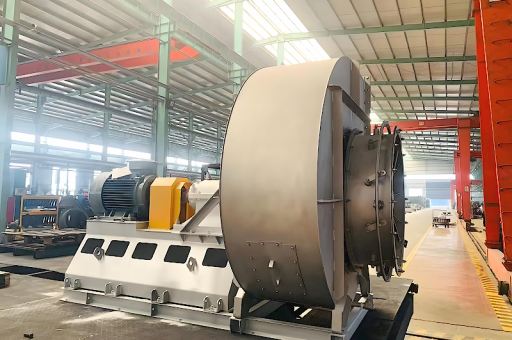
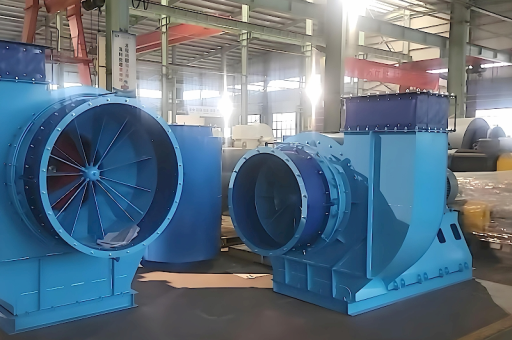
A negative pressure fan (often called an exhaust fan or ventilation fan) is designed to pull air out of a space. By removing air, it creates a vacuum (negative pressure) inside the room relative to the outside atmosphere. This action draws fresh air in through passive intake vents, windows, or doors. This system is highly effective for:
- Removing hot air, smoke, fumes, and odors.
- Controlling humidity and moisture.
- Improving overall air quality and worker comfort.
Why Stainless Steel?
Standard industrial fans are often made of painted steel or galvanized steel. Stainless steel (SS) is used specifically for its superior corrosion resistance. The two most common grades are:
- SS304: The standard "food-grade" or "general corrosive" stainless steel. Resists most acids, alkalis, and chloride solutions.
- SS316 (or 316L): A "marine-grade" stainless steel with added molybdenum. Offers much higher resistance to chlorides (like salt, bleach, and many industrial chemicals) and is more durable in harsh, acidic environments.
Critical Advantages of Stainless Steel:
- Corrosion Resistance: Will not rust or pit when exposed to moisture, chemicals, saltwater, or acidic fumes. This is the primary reason for choosing it.
- Hygiene: Non-porous surface is easy to clean and sanitize. It does not harbor bacteria or mold. Meets stringent hygiene standards (USDA, FDA, NSF).
- Durability & Longevity: Handles high heat, harsh cleaning chemicals (like bleach or caustic cleaners), and physical impacts much better than painted or galvanized steel.
- Temperature Resistance: Can withstand higher operating temperatures for longer periods without degradation.
Key Applications (Ideal Use Cases)
Stainless steel negative pressure fans are the standard choice in environments where standard fans would quickly fail.
Food Processing & Commercial Kitchens:
- Why: High humidity, grease, steam, and frequent washdowns with harsh chemicals (chlorine, caustic soda).
- Use: Range hoods, factory exhaust, walk-in coolers (corrosion from ammonia), rendering plants.
Marine & Offshore:
- Why: Constant exposure to salt spray, high humidity, and corrosive sea air.
- Use: Engine rooms, galleys, paint lockers, crew quarters on ships and oil rigs.
Chemical & Pharmaceutical Plants:
- Why: Fumes from acids, solvents, corrosive gases, and volatile organic compounds (VOCs) will destroy standard carbon steel fans.
- Use: Chemical storage, production clean rooms, fume hood exhaust.
Wastewater Treatment & Industrial Laundries:
- Why: Sulfur compounds, ammonia, chlorine, and high humidity.
- Use: Deodorizing exhaust, drying areas, sludge handling rooms.
Clean Rooms & Labs:
- Why: Requires non-shedding, non-particulating construction. Easy to sterilize.
- Use: Pharmaceutical clean rooms, hospital isolation rooms, semiconductor labs.
Key Features to Look For (Selection Checklist)
When choosing a stainless steel negative pressure fan, consider these features:
| Feature | Why It Matters |
|---|---|
| Blade Material | Should be solid stainless steel (SS304/316), not painted or coated steel. |
| Housing/Frame | Must be entire housing, mounting brackets, and fasteners (bolts/screws) made of SS. Galvanized fasteners will rust and fail first. |
| Motor | Look for a TEFC (Totally Enclosed Fan Cooled) or washdown-duty motor. Sealed bearings are critical. Consider a stainless steel shell motor for extreme environments. |
| Blade Type | Axial fans (standard wall-mounted) are common. Belt-driven vs Direct Drive: Direct drive is simpler and more hygienic; belt-driven allows for higher static pressure or variable speed control but introduces more parts that can corrode. |
| Voltage/Phase | Single-phase (120V/240V) for small shops; three-phase (208V/460V) for heavy industrial applications. |
| CFM Rating | Cubic Feet per Minute. Determine the required airflow to achieve the desired air changes per hour (ACH) for your room. |
| Static Pressure | The resistance the fan must overcome (ductwork, louvers, filters). Higher static pressure requires more powerful fans. |
| Certifications | Look for UL/cUL (safety), ETL, CE, or ATEX (explosion-proof for hazardous locations). |
Comparison: SS304 vs SS316 (Which to Choose?)
| Feature | SS304 | SS316 (Marine Grade) |
|---|---|---|
| Corrosion Resistance | Good for acids, food, general moisture. | Excellent for chlorides (salt, bleach, seawater), strong acids, and caustic chemicals. |
| Cost | Lower | Higher (20-40% more) |
| Magnetic? | Generally not (can be slightly magnetic after cold working). | Not magnetic. |
| Typical Use | Kitchens, food plants, clean rooms. | Chemical plants, marine, wastewater, bleach handling. |
| Recommendation | Choose if your environment is primarily humidity, steam, and food-grade acids. | Choose if there is any salt, bleach, strong acids, or harsh solvents present. |
Cost Considerations
- Price Premium: A stainless steel fan will cost significantly more (often 50-150% more) than a similar-sized galvanized or painted steel fan.
- ROI (Return on Investment): In a corrosive environment, a standard fan might fail in 6-12 months. A stainless steel fan can last 5-10+ years. The reduced downtime, replacement costs, and safety risks make the investment highly cost-effective.
Common Brands (Examples)
- Canarm (HVAC & Agricultural)
- Air Systems Components (PennBarry)
- Greenheck (Industrial & Commercial)
- Fantech (In-line & Corrosive Duty)
- Hudson (Marine & Industrial)
- Soler & Palau
Summary: Is a Stainless Steel Negative Pressure Fan Right for You?
YES, you need one if:
- Your environment is wet, humid, or salty.
- You use harsh chemicals or sanitizers (bleach, caustic, acid).
- The air contains corrosive fumes or gases.
- Sanitation and cleanliness are critical (food, pharma, health).
- You need maximum longevity in a harsh setting.
NO, you probably don't if:
- Your environment is clean and dry (e.g., a standard warehouse or office).
- You are on a tight budget and corrosion is not a concern.
- You expect to replace equipment periodically anyway.
For more specific advice, please provide:
- Type of facility (e.g., "a restaurant kitchen" or "a marine engine room")
- Chemicals or elements present (e.g., "salt spray" or "bleach fumes")
- Required CFM or room size