Article Title: The Ultimate Guide to Stainless Steel Forced Exhaust Fans: Durability, Efficiency, and Industrial Applications
Table of Contents
- Introduction to Stainless Steel Forced Exhaust Fans
- Why Stainless Steel? Key Material Advantages
- How Forced Exhaust Fans Work vs. Natural Ventilation
- Common Applications Across Industries
- Key Features to Look for in High-Quality Units
- Installation Best Practices for Maximum Performance
- Maintenance Tips to Prolong Lifespan
- Frequently Asked Questions (FAQ)
- Conclusion and Final Recommendations
Introduction to Stainless Steel Forced Exhaust Fans
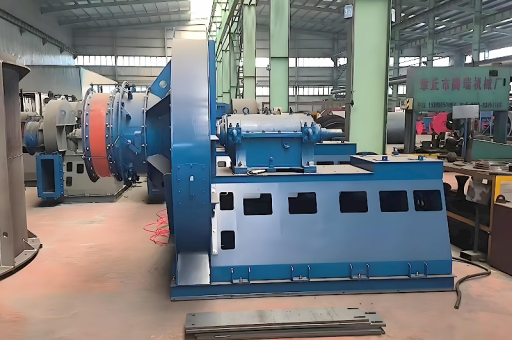
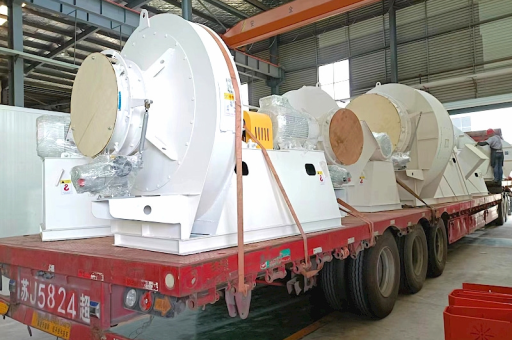
In environments where heat, moisture, fumes, or corrosive substances accumulate, proper ventilation is not a luxury—it is a necessity. Stainless steel forced exhaust fans have emerged as the go-to solution for industrial, commercial, and even high-end residential settings that demand durability, hygiene, and long-term reliability.
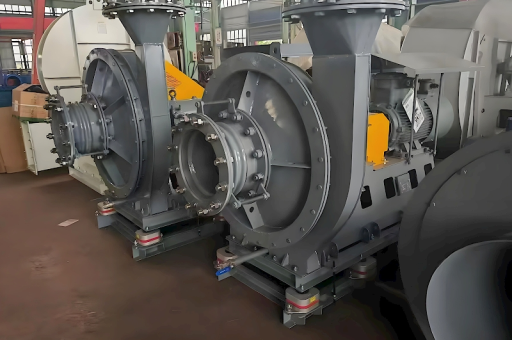
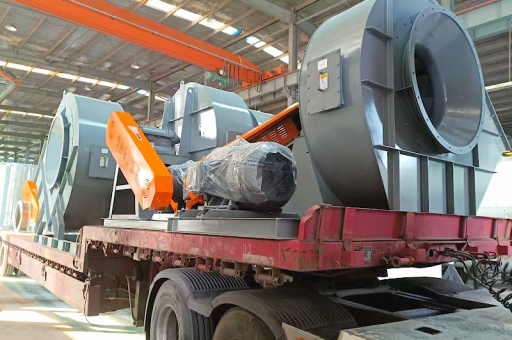
Unlike standard ventilation fans that may rust or degrade quickly in harsh conditions, stainless steel forced exhaust fans are engineered to resist corrosion, withstand high temperatures, and deliver consistent airflow under pressure. They use a motor-driven impeller to actively pull air out of a space, creating negative pressure that draws fresh air in from other openings. This "forced" mechanism makes them far more effective than passive vents or natural airflow systems.
According to industry data from the American Society of Heating, Refrigerating and Air-Conditioning Engineers (ASHRAE), proper exhaust ventilation can reduce indoor pollutant levels by up to 80% in industrial kitchens and manufacturing plants. When paired with stainless steel construction, these fans also comply with strict food safety and pharmaceutical hygiene regulations.
Did you know? In a chemical processing plant in Houston, switching from galvanized steel fans to stainless steel forced exhaust fans reduced maintenance costs by 62% over three years, according to a 2023 case study by Industrial Ventilation Solutions.
Why Stainless Steel? Key Material Advantages
The choice of stainless steel over other materials like aluminum, galvanized steel, or plastic is not accidental. Here is why stainless steel dominates the forced exhaust fan market for demanding applications:
1 Corrosion Resistance
Stainless steel contains chromium, which forms a passive oxide layer that protects the metal from rust. In environments with high humidity, salt spray (coastal areas), or chemical fumes (laboratories, plating shops), this resistance is critical. Type 304 stainless steel is standard for most applications, while Type 316 (with molybdenum) is recommended for marine or highly acidic conditions.
2 High Temperature Tolerance
Standard fans may warp or fail at temperatures above 200°F (93°C). Stainless steel forced exhaust fans can handle continuous operating temperatures up to 400°F (204°C) or higher with special motor designs. This makes them ideal for bakeries, foundries, and boiler rooms.
3 Hygiene and Cleanability
In food processing and medical facilities, surfaces must be non-porous and easy to sanitize. Stainless steel's smooth finish prevents bacterial growth and resists staining from oils, acids, and cleaning agents. Many units are designed with removable panels for deep cleaning.
4 Mechanical Strength
Stainless steel maintains structural integrity under high static pressure conditions. Forced exhaust fans often need to overcome duct resistance, filters, and long exhaust runs. The robust housing and impeller ensure minimal vibration and noise over years of operation.
Expert Tip: Always verify the stainless steel grade with the manufacturer. Some cheaper "stainless" fans use magnetic grades (like 430) that are less corrosion-resistant than non-magnetic 304 or 316.
How Forced Exhaust Fans Work vs. Natural Ventilation
Understanding the difference between forced and natural ventilation helps you choose the right system for your space.
Natural Ventilation
Relies on wind pressure and thermal buoyancy (hot air rising). Inconsistent, dependent on weather, and insufficient for large or enclosed spaces. Example: A roof turbine (wind turbine). While wind turbines can reduce heat buildup, they cannot guarantee a specific CFM (cubic feet per minute) exhaust rate.
Forced Exhaust Fans
Use an electric motor to turn a fan blade or impeller, creating a controlled, measurable airflow. Stainless steel forced exhaust fans are typically centrifugal or axial:
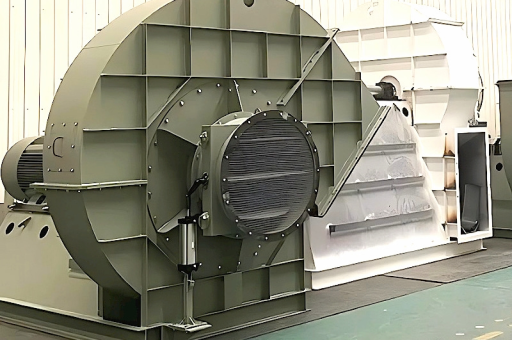
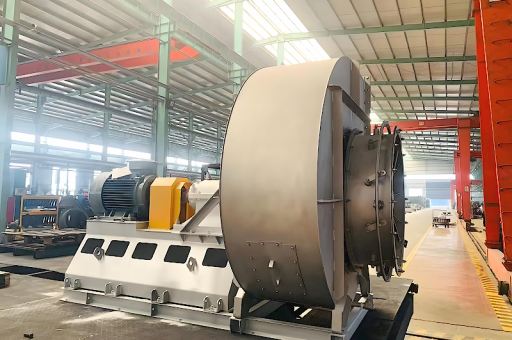
- Centrifugal (squirrel cage) – High static pressure, ideal for ducted systems.
- Axial (propeller type) – High volume, low pressure, good for wall or roof mounting without ducts.
A forced system ensures consistent exhaust regardless of outdoor wind conditions. For example, a commercial kitchen must exhaust a minimum of 0.5 CFM per square foot of hood area, per NFPA 96 standards. Only a forced fan can deliver this reliably.
Comparison Example: A 24-inch roof-mounted wind turbine can move approximately 1,000 CFM in a 15 mph wind, but drops to near zero on a calm day. A stainless steel forced exhaust fan of the same diameter moves a consistent 4,000 CFM at all times.
Common Applications Across Industries
Stainless steel forced exhaust fans are not one-size-fits-all. They are tailored to specific environments:
1 Commercial Kitchens
Grease, steam, and high heat demand fans with spark-proof motors and wash-down capabilities. Stainless steel resists grease buildup and is easy to clean. Many codes require exhaust fans to be made of non-combustible materials.
2 Chemical and Pharmaceutical Plants
Corrosive fumes from acids, solvents, and reactive gases require fans that will not degrade. PTFE-coated stainless steel options exist for extreme environments.
3 Marine and Offshore
Saltwater spray and constant humidity destroy standard fans quickly. Marine-grade stainless steel (316L) with epoxy-sealed motors is standard on ships and oil platforms.
4 Wastewater Treatment
Hydrogen sulfide and methane gases are highly corrosive and explosive. Stainless steel forced exhaust fans with explosion-proof electrical enclosures are mandatory.
5 Indoor Swimming Pools
Chlorine gas and high humidity cause rapid rusting of standard fans. Stainless steel units with corrosion-resistant coatings provide safe, long-lasting ventilation.
Note: Even within the same industry, a restaurant in a seaside town will need a different stainless steel grade than one in a dry inland city.
Key Features to Look for in High-Quality Units
When selecting a stainless steel forced exhaust fan, evaluate these criteria:
1 Motor Type and Enclosure
- Totally Enclosed Fan Cooled (TEFC) – Standard for dusty environments.
- Explosion-proof – Required in hazardous locations (Class I, Division 1 or 2).
- Variable speed capability – Saves energy when full exhaust is not needed.
2 CFM Rating vs. Static Pressure
A fan rated for 5,000 CFM at zero static pressure may only deliver 2,000 CFM in a long duct system. Always check the fan curve chart provided by the manufacturer.
3 Blade and Housing Design
- Backward-inclined blades – High efficiency, non-clogging.
- Airfoil blades – Quieter, best for clean air applications.
- Welded vs. bolted housing – Welded is stronger but harder to disassemble for cleaning.
4 Certifications
Look for UL/cUL listing, AMCA (Air Movement and Control Association) certification, and ATEX (for explosive atmospheres). These ensure the fan meets safety and performance standards.
5 Warranty and Serviceability
A quality stainless steel forced exhaust fan should have a minimum 3-year warranty. Check if motors, bearings, and impellers are readily available.
Common Mistake: Buying a fan based solely on diameter without considering static pressure requirements. A 30-inch fan in a high-resistance duct may underperform compared to a properly sized 20-inch centrifugal fan.
Installation Best Practices for Maximum Performance
Even the best stainless steel forced exhaust fan will fail to deliver if installed incorrectly.
- Mounting Location: Install as close to the source of contaminants as possible. For kitchen hoods, the fan should be directly above the cooking surface.
- Duct Design: Use smooth, rigid ducting. Avoid flexible ducts which increase resistance. Keep duct runs short and with minimal bends.
- Make-up Air: Forced exhaust creates negative pressure. Without an equal amount of make-up air (fresh intake), the exhaust fan will struggle, and doors will slam or whistling sounds will occur.
- Electrical Safety: Use a dedicated circuit with proper disconnect and overload protection. Motor amperage should match the nameplate.
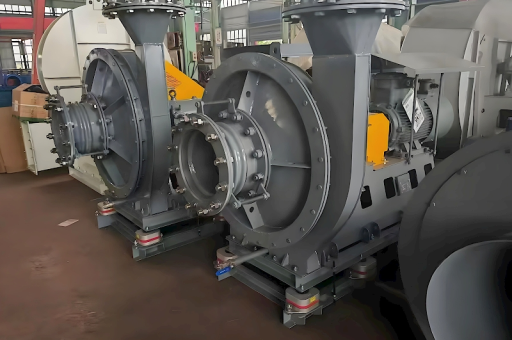
- Vibration Isolation: Use rubber or spring isolators between the fan and mounting surface to reduce noise transmission.
Real-World Case: A food processing plant in Chicago installed a 42-inch stainless steel forced exhaust fan but failed to provide make-up air. The exhaust rate dropped by 40%, and the facility failed a health inspection. After adding a louvered intake panel, airflow returned to design specifications.
Maintenance Tips to Prolong Lifespan
Stainless steel is durable, but it is not maintenance-free. Follow these steps:
- Daily/Weekly: Check for unusual noise or vibration. Clean grease and debris from blade surfaces.
- Monthly: Inspect belts and pulleys (if belt-driven). Check motor amperage to identify overloading.
- Quarterly: Lubricate bearings (if not sealed). Tighten mounting bolts.
- Annually: Deep clean housing and impeller. Test safety switches and disconnect functionality. Replace worn gaskets.
Important: Do not use wire brushes or steel wool on stainless steel surfaces—they can scratch the passive layer and promote rust. Use nylon brushes or non-abrasive pads with mild detergent.
Pro Tip: Apply a thin layer of food-grade mineral oil to stainless steel surfaces in high-humidity environments to further inhibit corrosion.
Frequently Asked Questions (FAQ)
Q1: Can I use a standard exhaust fan in a corrosive environment instead of stainless steel?
A: Not recommended. Standard galvanized fans will begin rusting within months in coastal or chemical environments. The cost of repeated replacements and downtime far exceeds the initial investment in stainless steel.
Q2: What is the difference between a forced exhaust fan and a wind turbine (roof ventilator)?
A: A wind turbine relies entirely on wind speed to rotate and exhaust air. It provides zero exhaust on calm days. A forced exhaust fan uses an electric motor to deliver consistent, controlled airflow regardless of weather conditions.
Q3: How do I calculate the size of stainless steel forced exhaust fan I need?
A: Use the formula: CFM required = (Room volume in cubic feet) × (Air changes per hour) ÷ 60. For kitchens, refer to NFPA 96 or local codes. For industrial applications, consult an HVAC engineer.
Q4: Are stainless steel forced exhaust fans noisy?
A: Noise depends on blade design, motor quality, and installation. Centrifugal fans are generally louder than axial fans at the same CFM. Choose fans with sound ratings below 70 dBA for occupied spaces.
Q5: Can I install a stainless steel forced exhaust fan outdoors?
A: Yes, but you must ensure it has a weatherproof housing, rain hood, and a motor rated for outdoor use. Fans without these features risk water ingress and motor failure.
Q6: How long do stainless steel forced exhaust fans typically last?
A: With proper maintenance, 10–20 years. The motor may need replacement after 5–10 years, but the stainless steel housing and impeller often last the lifetime of the building.
Conclusion and Final Recommendations
Stainless steel forced exhaust fans are an essential investment for any facility that requires reliable, corrosion-resistant, and high-performance ventilation. Unlike passive solutions like roof turbines or wind turbines, these fans deliver predictable and controllable airflow, making them suitable for critical environments like commercial kitchens, chemical plants, and healthcare facilities.
When selecting a fan, prioritize stainless steel grade (304 or 316), motor enclosure type, and certified performance data from AMCA or UL. Proper installation with adequate make-up air is non-negotiable for optimal function.
Final advice: Never compromise on quality for upfront cost. A cheaper galvanized or aluminum fan in a corrosive environment will fail prematurely, leading to higher total ownership costs. Invest in a stainless steel forced exhaust fan that matches your specific application, and follow a regular maintenance schedule. Your building's air quality, safety, and operational efficiency depend on it.
For more information on selecting the right ventilation equipment, consult with a licensed mechanical engineer or an industrial ventilation specialist.