This article's table of contents introduction:
- Introduction: What Are Stainless Steel Positive Pressure Fans?
- Core Design and Material Advantages: Why Stainless Steel?
- Key Applications Across Industries
- Performance Metrics: Airflow, Pressure, and Efficiency
- Selection Criteria: How to Choose the Right Fan
- Common Q&A
- Conclusion: Future Trends in Ventilation Technology
** The Ultimate Guide to Stainless Steel Positive Pressure Fans: Industrial Applications, Benefits, and Selection Criteria
Directory / Table of Contents
- Introduction: What Are Stainless Steel Positive Pressure Fans?
- Core Design and Material Advantages: Why Stainless Steel?
- Key Applications Across Industries
- Performance Metrics: Airflow, Pressure, and Efficiency
- Selection Criteria: How to Choose the Right Fan
- Common Q&A
- Conclusion: Future Trends in Ventilation Technology
Introduction: What Are Stainless Steel Positive Pressure Fans?
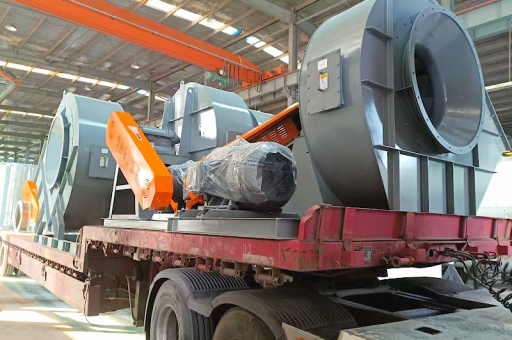
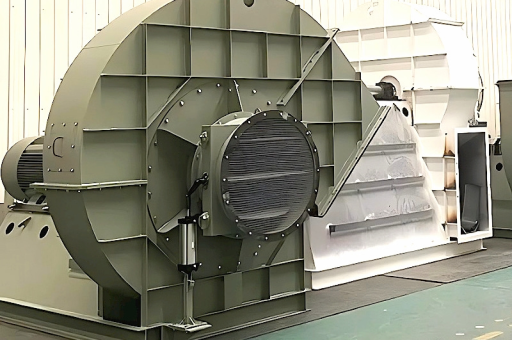
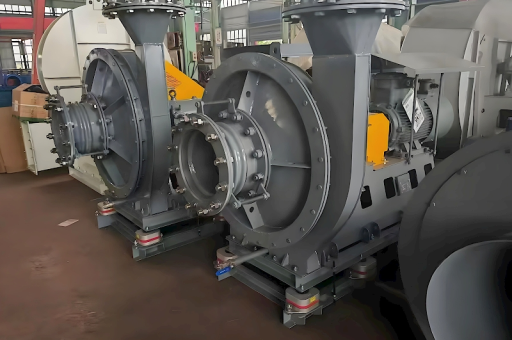
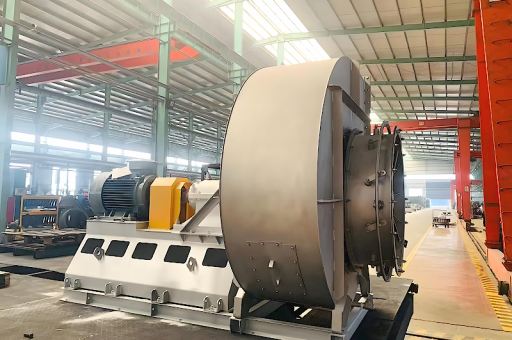
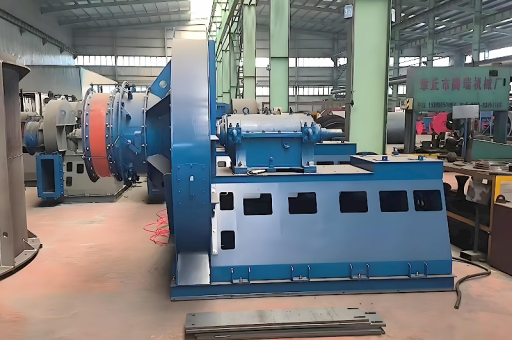
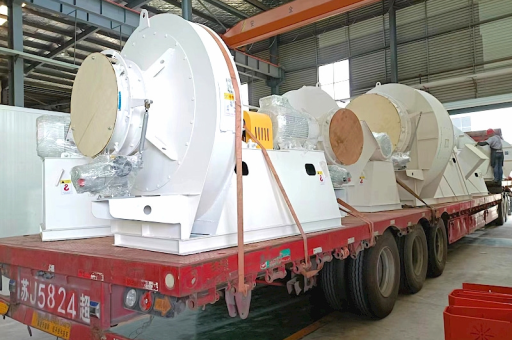
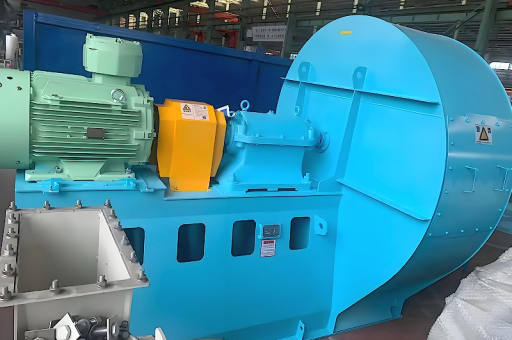
In industrial ventilation, material selection is as critical as fan performance. Stainless steel positive pressure fans are specialized air-moving devices designed to create a higher static pressure within a system, forcing air into confined or sealed spaces. Unlike standard fans, which often move air freely, positive pressure fans are engineered to overcome resistance from ductwork, filters, or long exhaust runs. The use of stainless steel (typically 304 or 316 grade) as the primary construction material dramatically extends the fan’s lifespan in corrosive, wet, or high-temperature environments. According to industry reports from major engineering databases, these fans are now standard in food processing, chemical plants, offshore platforms, and wastewater treatment facilities. The global market for positive pressure ventilation equipment has grown steadily due to increased safety regulations and the need for continuous air quality control in hazardous zones. Modern design also includes aerodynamic housings and backward-curved impellers to optimize both noise levels and energy consumption.
Core Design and Material Advantages: Why Stainless Steel?
Choosing stainless steel over standard carbon steel or aluminum hulls carries distinct advantages.
Corrosion Resistance
Stainless steel contains chromium (≥10.5%), which forms a self-healing passive oxide layer. In marine environments or facilities where acidic vapors are present (e.g., pickling baths), a carbon steel fan could fail within months. A stainless steel positive pressure fan remains functional for years with minimal surface degradation.
Hygienic Properties
For the food and pharmaceutical industries, non-porous materials are mandatory. Stainless steel allows for easy cleaning with steam or chemical sanitizers without causing rust pits, which would otherwise trap bacteria.
High Temperature Tolerance
Certain stainless alloys maintain structural integrity up to 800°C (1472°F) under controlled conditions. This makes them suitable for fume extraction from kilns or dryers where hot, corrosive gases are present.
Spark Resistance
In environments with flammable dust (e.g., grain elevators or chemical powder handling), stainless steel is non-sparking compared to iron or steel. Combined with a positive pressure airflow design, it reduces the risk of ignition.
Key Applications Across Industries
Stainless steel positive pressure fans serve specialized roles:
Offshore Oil & Gas Platforms
These fans are used to pressurize equipment rooms to prevent ingress of flammable gases. They must resist salt spray and constant humidity. Many wind turbine nacelle cooling systems also use similar corrosion-proof fans to circulate pressurized air through gearboxes and generators.
Wastewater Treatment Plants
In aeration tanks and sludge digestion areas, hydrogen sulfide and methane gases require robust ventilation. A positive pressure fan ensures that groundwater treatment areas remain safe for personnel.
Pharmaceutical Clean Rooms
For sterile zones, positive pressure must be maintained relative to adjacent areas. Stainless steel fans meet cleanroom standards (ISO 14644) and prevent particulate generation.
Chemical Processing
Handling chlorine, sulfuric acid, or ammonia requires the fan’s housing and impeller to be inert. Positive pressure ensures any leakage in the system is outward, not inward.
Performance Metrics: Airflow, Pressure, and Efficiency
When evaluating a stainless steel positive pressure fan, three key metrics matter:
Static Pressure (SP)
Measured in inches of water gauge (in. wg) or pascals (Pa). For positive pressure applications, typical ranges are from 5 in. wg for light ductwork to 30+ in. wg for dense filter banks. Always check the fan curve against your system’s resistance.
Airflow (CFM or m³/h)
The volume of air moved. A positive pressure fan often operates at lower CFM than a standard exhaust fan, but at higher pressure. For tunnel ventilation or wind turbine hub cooling, CFM must match heat dissipation requirements.
Efficiency (static efficiency %)
Modern designs achieve 65–80% static efficiency using backward-curved airfoil blades. High efficiency reduces power consumption and heat generation, crucial for continuous-running installations.
Noise Level
Stainless steel is denser than aluminum but can resonate. Most industrial units include sound-dampening baffles or silencers to keep noise below 85 dBA.
Selection Criteria: How to Choose the Right Fan
Step 1: Define the Environment
- Is it humid, acidic, or salty? If yes, spec 316L stainless steel over 304.
- Is the gas temperature above 200°C? Consider high-temperature seals and bearing cooling.
Step 2: Determine Required Pressure
Calculate total system losses using this simplified formula:
Total Pressure Loss = Duct Friction + Component Loss (filters, dampers) + Static Head (if any).
Add 10% safety margin for filter loading.
Step 3: Motor and Drive
Use explosion-proof motors (Class I, Division 1 for combustible gases) if required. Connect via reinforced V-belts or direct drives. Inline variable frequency drives (VFDs) allow precise pressure control.
Step 4: Impeller Type
- Backward-curved: Best for high efficiency and clean air.
- Radial-blade: Used for dusty or sticky materials.
- Airfoil: Highest efficiency but costly.
Case Study: A food processing plant needed to pressurize a clean room (8 in. wg, 12,000 CFM). A 316 stainless steel backward-curved fan with a 30 HP VFD motor was chosen. After 3 years, no corrosion was present, saving $15,000 in anticipated replacement costs versus carbon steel.
Common Q&A
Q1: Can a stainless steel positive pressure fan be used for exhaust applications?
Yes, but if exhausting corrosive gases, ensure the impeller and housing are both stainless. Positive pressure fans are often reversible, but for long-term exhaust, a dedicated negative pressure fan may be more cost-effective.
Q2: How does this differ from a wind turbine cooling fan?
While similar in material (corrosion-resistant), a wind turbine fan typically operates at lower static pressure (2–5 in. wg) but with high CFM to cool generators. Positive pressure fans for industrial use often require >10 in. wg.
Q3: What maintenance does a stainless steel fan require?
Lubricate bearings annually (if greasable), check V-belt tension monthly, and inspect blade surfaces for buildup. Stainless steel is less prone to corrosion, but acidic residue can still cause pitting if not cleaned.
Q4: Are these fans suitable for outdoor installation?
Yes, especially with weatherproof hoods and stainless steel hardware (bolts, drain plugs). Many wastewater plants mount them directly on roofs.
Q5: How do I calculate the payback period for upgrading to stainless steel?
Take the cost of stainless vs. carbon steel fan (typically 40–60% higher). Divide by annual savings from reduced replacement labor, downtime, and material loss. In harsh environments, payback is often under 18 months.
Conclusion: Future Trends in Ventilation Technology
The evolution of stainless steel positive pressure fans is tied to materials science and smart control. Newer models integrate IoT sensors that report vibration, temperature, and pressure in real time. Predictive algorithms enable maintenance before failure. Additionally, manufacturers are shifting towards recycled stainless steel sources to reduce the carbon footprint. In sectors like offshore wind (wind turbine platforms) and chemical processing, the demand for highly resilient, positive-pressure ventilation continues to rise. Selecting the right fan today means balancing initial cost against long-term reliability, especially in harsh environments where a single fan failure could halt an entire production line. By adopting stainless steel construction and precise pressure engineering, industries can achieve both safety and operational excellence.
Sources: ASHRAE Handbook – HVAC Systems, Industrial Ventilation Design Guidebook (5th Ed.), and global manufacturer spec sheets.