This article's table of contents introduction:
- What is a Stainless Steel High Pressure Fan?
- Why Choose Stainless Steel? (Key Advantages)
- Common Applications (Where you need them)
- Key Features to Look For
- Leading Manufacturers (Who makes them)
- How to Source the Right One (Your Checklist)
- Alternatives to Stainless Steel (Consider if cost is a concern)
It appears you are looking for information on Stainless Steel High Pressure Fans. These are specialized industrial fans designed to move large volumes of air or gas against significant resistance (high static pressure) while being resistant to corrosion, heat, or contamination.
Here is a comprehensive breakdown of what they are, why they are used, and where to find them.
What is a Stainless Steel High Pressure Fan?
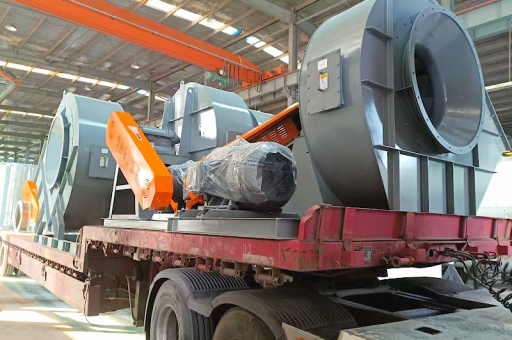
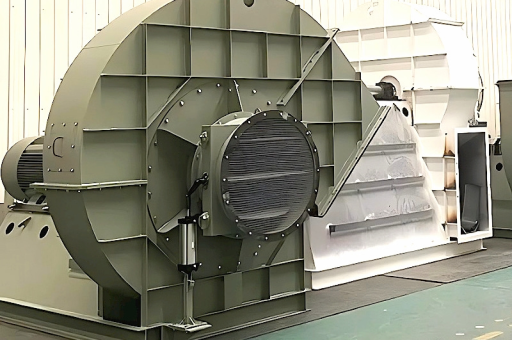
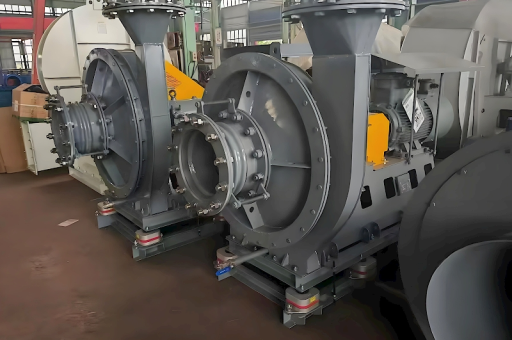
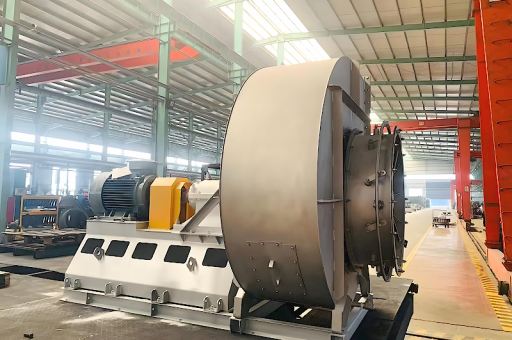
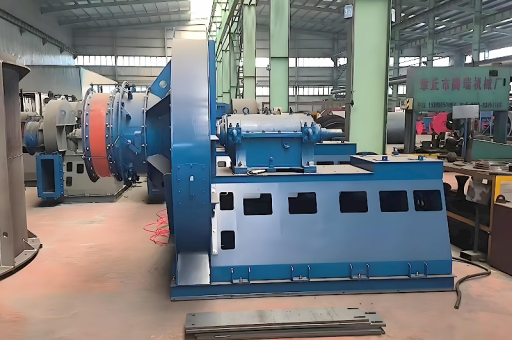
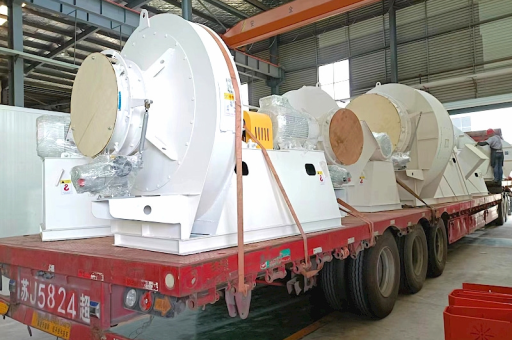
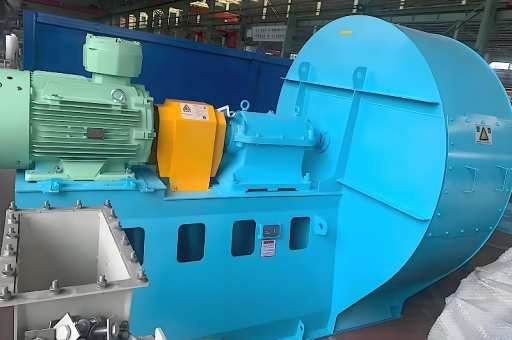
It is a centrifugal fan (blower) where the impeller, housing, and often the shaft are constructed from stainless steel (typically 304 or 316L). They are designed to generate high static pressure (usually measured in inches of water gauge or kPa) to overcome resistance in ductwork, filters, or process equipment.
Why Choose Stainless Steel? (Key Advantages)
- Corrosion Resistance: The primary reason. SS304 is resistant to moisture and many mild chemicals. SS316L offers superior resistance to chlorides, acids, and harsh industrial atmospheres.
- High Temperature Capability: Stainless steel handles higher temperatures (up to 400-800°F / 200-425°C, depending on grade and design) better than standard carbon steel.
- Sanitary / Hygienic Properties: Non-porous and easy to clean. Essential for food processing, pharmaceuticals, and clean rooms.
- Spark Resistance: In environments with flammable gases or dust, stainless steel is non-sparking compared to carbon steel (though aluminum or bronze might be needed for the highest safety).
- Strength and Durability: Handles mechanical stress from high rotational speeds and pressure better than aluminum.
Common Applications (Where you need them)
- Chemical Processing: Moving corrosive fumes, acids, or vapors.
- Pharmaceutical & Biotech: Clean room ventilation, fume hoods.
- Food & Beverage: Oven exhaust, grain conveying, dust collection for wash-down areas.
- Wastewater Treatment: Aeration blowers, corrosive gas handling (e.g., hydrogen sulfide).
- Marine & Offshore: Saltwater corrosion resistance.
- Pollution Control: Scrubbers, baghouse dust collectors, thermal oxidizers.
Key Features to Look For
- Material: SS304 (General corrosion, food, mild chemicals) vs. SS316L (Chlorides, marine, strong acids). Ensure the shaft and fasteners are also stainless (not just the housing).
- Drive Type:
- Direct Drive: Motor is directly coupled to the fan wheel. More efficient, lower maintenance, tighter speed control.
- Belt Drive: Allows for speed changes (pressure/flow adjustment). Motor is mounted outside the airstream (critical for hot or corrosive air).
- Wheel Design:
- Backward Inclined (BI): High efficiency, non-clogging, good for clean air.
- Radial / Paddle Wheel: Handles dusty, sticky, or particulate-laden air best.
- Forward Curved (FC): High volume, lower pressure, smaller package.
- Airfoil (AF): Highest efficiency, but less robust.
- Seals and Bearings: Look for shaft seals (to prevent gas leakage) and bearings rated for the operating temperature. Some are "air-over" (airstream cools the bearings) or "split pillow block" for easy maintenance.
- Casing: Scroll housing design. Can be volute (standard) or industrial exhaust (IE) for heavy duty.
- Motor: Must be rated for the environment (e.g., Washdown, Explosion-Proof, Inverter Duty for VFD control).
Leading Manufacturers (Who makes them)
These are reliable brands that offer stainless steel high pressure models:
- Cincinnati Fan: (HP Series - High Pressure, Stainless Steel)
- New York Blower: (AcoustaFoil, Series 30 - High Pressure, SS options)
- Greenheck: (BISW, CSP, Vektor - for lab exhaust, severe duty)
- Hartzell: (Series 50, 53 - Industrial exhaust, Stainless)
- Ametek / Dynamic Air: (For very high pressure / regenerative blowers in SS)
- Howden / Roots: (Centrifugal fans for heavy industry)
- Systemair / Fantech: (Smaller industrial and commercial)
How to Source the Right One (Your Checklist)
When contacting a supplier, you must provide:
- Material: SS304 or SS316L? (Specify for all wetted parts).
- Air Volume (CFM / m³/h): How much flow do you need?
- Static Pressure (SP - in.wg / Pa): How much resistance is in the system (ductwork, filters, etc.)?
- Temperature (F / C): Maximum and normal operating temperature of the air/gas.
- Gas Composition: Air, steam, corrosive fumes, dust? (e.g., "Chlorine gas at 50 ppm").
- Application: What is it doing? (e.g., "Chemical fume exhaust from a scrubber").
- Motor Specs: Voltage (e.g., 480V/3ph/60Hz), HP, Enclosure (e.g., TEFC, Explosion-Proof).
- Mounting: Foot-mounted, base plate, or direct drive?
- Accessories: Inlet box, dampers, vibration isolators, spark-resistant construction?
Alternatives to Stainless Steel (Consider if cost is a concern)
- Fiberglass Reinforced Plastic (FRP): Excellent for corrosive chemicals (especially strong acids) but lower temperature limit (200°F/93°C).
- Coated Carbon Steel: Cheaper but coating can chip, leading to corrosion. Good for mild duty.
- Aluminum: Lightweight, spark-resistant, but less corrosion resistant to strong chemicals.
Would you like me to help you narrow down a specific type? For example, I can provide more detail on:
- High Pressure Radial Blowers (for dust or grain).
- Regenerative Blowers (oil-free, low pressure but high volume, sometimes in SS).
- Explosion-Proof SS Fans (for hazardous locations).
- How to calculate the required pressure and flow for your system.
Just let me know what your specific use case is (e.g., "fume hood exhaust for a lab," "conveying plastic pellets," or "oven exhaust for a bakery").