This article's table of contents introduction:
- What is it?
- Why Stainless Steel? (vs. Cast Aluminum or Steel)
- Key Features of an Explosion-Proof Fan
- Common Applications
- Choosing the Right Fan (Specifications to Look For)
- Typical Configurations
- Manufacturers
- Summary Checklist for Specification
This is a highly specific piece of industrial equipment. Here is a comprehensive breakdown of what a Stainless Steel Explosion-Proof Exhaust Fan is, its key features, applications, and why you would specify one.
What is it?
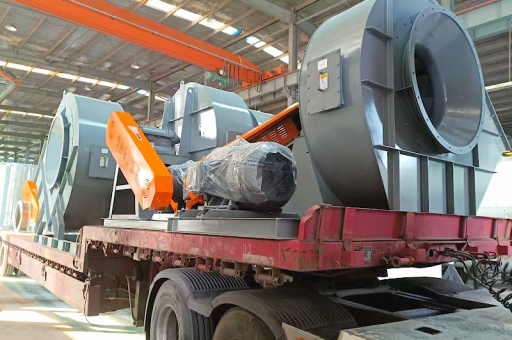
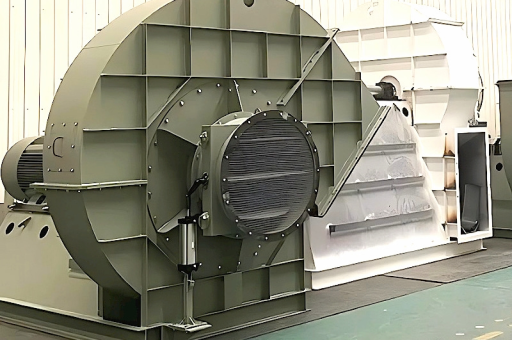
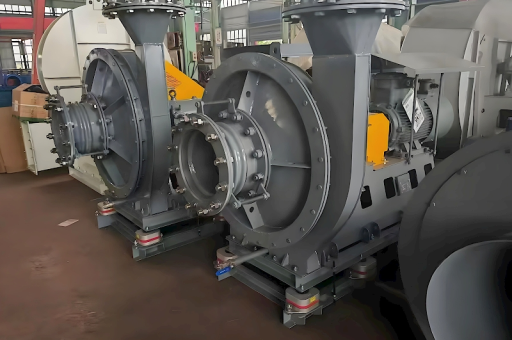
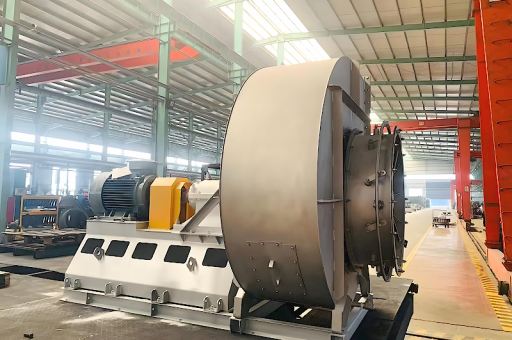
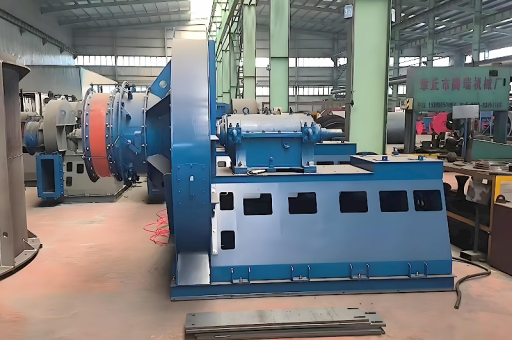
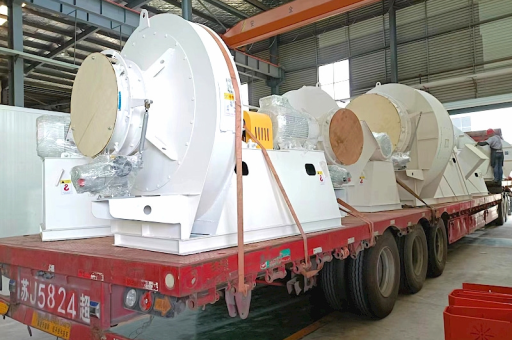
A Stainless Steel Explosion-Proof Exhaust Fan is a ventilation fan designed to remove hazardous gases, vapors, or dust from an area while preventing the ignition of the surrounding atmosphere.
- "Stainless Steel" refers to the material of construction (typically 304 or 316 grade), chosen for its corrosion resistance and strength in harsh environments.
- "Explosion-Proof" means the fan is built to contain any internal explosion (e.g., from a spark in the motor) and prevent it from igniting the flammable atmosphere outside the fan.
Why Stainless Steel? (vs. Cast Aluminum or Steel)
Stainless steel is chosen for specific environmental conditions:
- Corrosion Resistance: Highly resistant to rust and corrosion from:
- Salt air (marine/coastal environments).
- Chemical fumes (acids, alkalis, solvents).
- High humidity and washdown environments (food processing).
- Non-Sparking (Inherent): While not the primary reason (bronze or aluminum are often used for non-sparking), the impeller (fan blade) in these units is often made of aluminum or monel to prevent sparks if it strikes the housing. The housing itself is stainless for durability.
- Sanitation: Non-porous and easy to clean/sterilize, meeting hygienic standards.
Key Features of an Explosion-Proof Fan
To be certified as "explosion-proof" (e.g., UL, ATEX, IECEx), the fan must have:
- Explosion-Proof Motor: A specialized motor with a heavy-duty, cast-iron or steel frame, sealed conduit entries, and tight tolerances to cool hot gases before they escape.
- Non-Sparking Impeller: The fan blades are made of a non-ferrous material (aluminum, bronze, or monel) to prevent sparks from friction.
- Sealed Bearings: Permanently lubricated or specially sealed to prevent leakage or contamination.
- Grounding/Lugs: To prevent static buildup.
- Certifications: Labels from UL (Class I, Div 1 / Class II, Div 1) , ATEX, IECEx, or CSA. This is the most critical feature.
Common Applications
- Chemical Plants: Exhausting flammable solvents, acids, and toxic vapors.
- Oil & Gas Facilities: Removing explosive gases like methane, propane, or hydrogen sulfide.
- Pharmaceutical Labs: Managing flammable alcohol vapors or solvent fumes.
- Wastewater Treatment: Exhausting explosive methane and corrosive hydrogen sulfide gas.
- Paint Booths & Spray Finishing: Removing paint fumes, thinners, and aerosol particles.
- Marine Environments: Vessel engine rooms, paint lockers, and battery charging areas.
- Food Processing (Grain Dust): Areas with high dust concentrations (Class II environments).
Choosing the Right Fan (Specifications to Look For)
When selecting one, you must match it to your specific hazard:
- Class & Division:
- Class I, Div 1: Flammable gases/vapors present under normal conditions.
- Class I, Div 2: Gases/vapors present only under abnormal conditions (e.g., a leak).
- Class II: Combustible dusts (grain, coal, metal).
- Class III: Ignitable fibers/flyings (textiles).
- Material Grade:
- 304 SS: General chemical and food processing.
- 316 SS: Marine environments, highly corrosive chemicals (chlorides, salts).
- CFM (Cubic Feet per Minute): The volume of air movement required.
- Static Pressure (SP): The resistance the fan must overcome (ductwork, filters).
- Motor Type:
- TEFC (Totally Enclosed Fan Cooled): Standard explosion-proof.
- TENV (Totally Enclosed Non-Ventilated): For dirty or particle-laden air.
- C-Face Mounted: Common for direct-drive applications.
Typical Configurations
- Centrifugal (Squirrel Cage): Best for ducted systems, high static pressure, and moving air against resistance. Most common for explosion-proof applications.
- Axial (Propeller): Best for wall-mounted, low pressure, high volume applications (e.g., a simple wall vent).
- Inline / Duct: Designed to be mounted directly in a duct run.
Manufacturers
Some well-known manufacturers include:
- Cincinnati Fan
- ILG / New York Blower
- Greenheck
- Hoffman / Pentair
- Air Master Systems
Summary Checklist for Specification
- Hazard Classification: (Class I, Group C & D / Class II, Group F & G)
- Material: 304 SS vs. 316 SS
- Impeller Material: Aluminum or Monel (non-sparking)
- Electrical: Correct voltage / phase / explosion-proof rating
- CFM & Pressure: Required airflow at needed static pressure.
- Mounting: Wall, roof, duct, or inline.
Need help with a specific application or sizing? Provide your hazard gas (e.g., hydrogen, propane), the room volume, and the desired air changes per hour, and I can help calculate the required CFM.