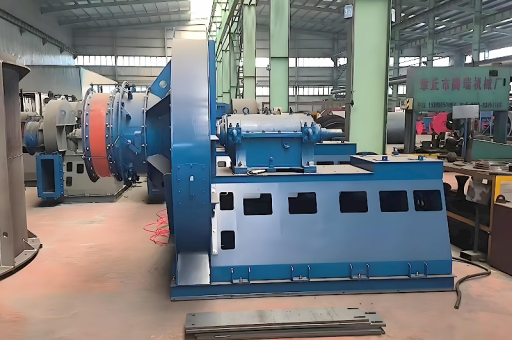
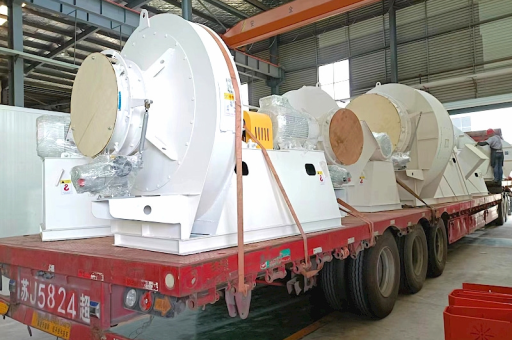
This article's table of contents introduction:
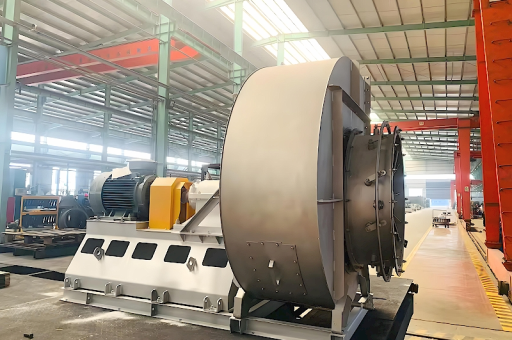
- What is a Stainless Steel Fire-Fighting Smoke Exhaust Fan?
- Why Stainless Steel? Key Advantages for Fire-Fighting
- Key Specifications & Features to Look For
- Common Applications
- Types of Stainless Steel Fire Fans
- Installation & Configuration
- Cost & Maintenance
- Important Compliance Note
- Summary
Here is a comprehensive overview of stainless steel fire-fighting smoke exhaust fans, covering their purpose, key features, applications, and why stainless steel is specifically used.
What is a Stainless Steel Fire-Fighting Smoke Exhaust Fan?
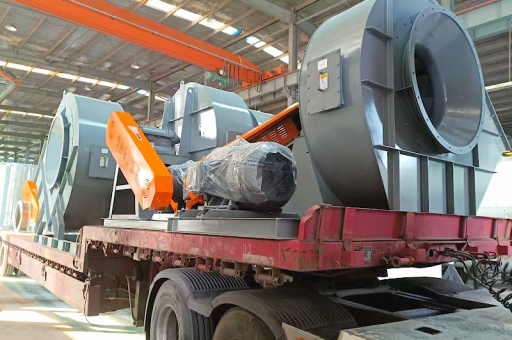
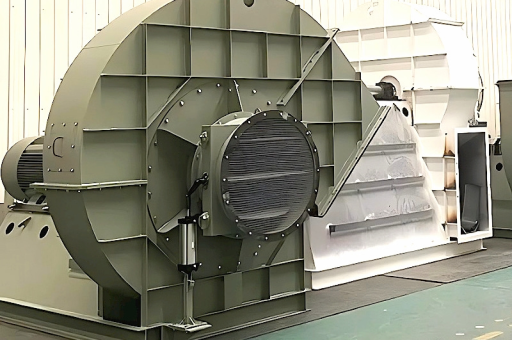
These are heavy-duty industrial fans specifically designed to operate under extreme conditions—primarily during a fire. Their core function is to:
- Exhaust Smoke and Hot Gases: Remove smoke, toxic fumes, and intense heat from a burning building to improve visibility for firefighters and occupants.
- Provide Fresh Air Supply (Make-up Air): Work in conjunction with supply fans to pressurize escape routes and keep them free of smoke.
- Control Fire Spread: By removing superheated gases, they help prevent "flashover" and slow the horizontal and vertical spread of fire.
The "stainless steel" designation refers to the material used for the fan's housing, impeller (blades), and often the motor shaft. This is a critical upgrade from standard galvanized steel fans.
Why Stainless Steel? Key Advantages for Fire-Fighting
Standard fans can fail quickly in a fire. Stainless steel is chosen for specific, life-critical reasons:
- High-Temperature Resistance: - Stainless steel (especially grades like 304 or 316) retains its structural integrity at much higher temperatures than galvanized steel. This allows the fan to continue operating for a certified duration (e.g., 2 hours at 250°C or 300°C, or even short bursts at 400°C+).
- Corrosion Resistance: - Fire smoke contains corrosive byproducts (hydrochloric acid from burning PVC, sulfur compounds, etc.). Stainless steel resists pitting and corrosion, preventing the fan from disintegrating after one use and ensuring it will work when needed.
- Spark Resistance (Inherent): - Unlike steel or aluminum, stainless steel is non-sparking when struck by debris. This is crucial in an explosive atmosphere (gas leaks, flammable dust) that might be ignited by a spark from a standard fan blade hitting the housing.
- Longevity & Hygiene: - In non-fire conditions, these fans are often used for general ventilation in harsh environments. Stainless steel is easy to clean, resists rust from humidity or chemical vapors, and is ideal for clean rooms or food processing areas.
Key Specifications & Features to Look For
When specifying or purchasing these fans, look for these critical parameters:
| Feature | Description & Why It Matters |
|---|---|
| Material | Housing & Impeller: Grade 304 (common) or 316 (better for marine/chemical environments). Shaft: Stainless steel is mandatory to prevent warping. |
| Fire Rating (Certification) | Look for EN 12101-3 (European standard) or UL 762 (US standard). This certifies the fan's ability to operate at a specific temperature (e.g., F300 = 300°C for 2 hours, F400 = 400°C for 2 hours). |
| Motor Type | Must be external-rotor or TEFC (Totally Enclosed, Fan Cooled) motor placed outside the main airstream to avoid direct smoke/heat exposure. Often rated for IP55 or higher. |
| Drive Type | Direct Drive (fewer moving parts, higher reliability) vs. Belt Drive (allows remote motor placement, but belt can fail under heat). Direct drive with an external rotor motor is most common for fire-duty. |
| Blade Design | Usually axial-flow (propeller-style) for high volume, moderate pressure. Can be backward-curved or airfoil blades for greater efficiency. |
Common Applications
These fans are mandatory in many building codes and are found in:
- Stairwells & Elevator Shafts: To keep these egress routes smoke-free.
- Atriums & Covered Malls: To vent large volumes of smoke at the roof level.
- Parking Garages: To exhaust vehicle exhaust and provide fire ventilation.
- Industrial Kitchens: To handle grease-laden air and potential fire scenarios.
- Tunnels & Subways: For emergency ventilation systems.
- Hospitals & Clean Rooms: Where sterile environments require non-corroding, easy-to-clean exhaust.
Types of Stainless Steel Fire Fans
-
Axial Flow Fans (Most Common):
- Propeller Fans: Simple, high volume, low pressure. Used for wall or roof mounting.
- Tube-Axial Fans: In-duct mounted. Efficient for long duct runs.
- Vane-Axial Fans: More efficient with higher pressure capability. Often used in stairwell pressurization systems.
-
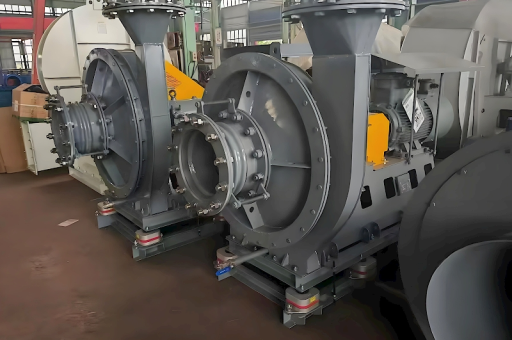
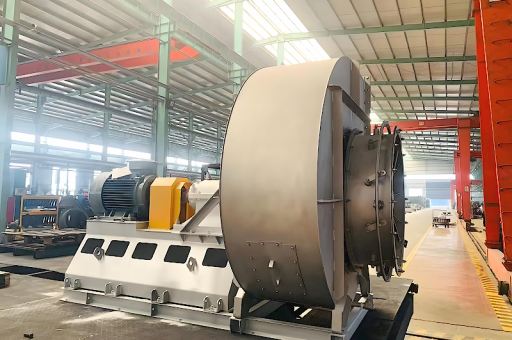
Centrifugal Fans (In-Line):
- Backward Inclined / Airfoil: For systems needing higher static pressure (e.g., long duct runs to the roof).
- Housing: Typically made of stainless steel with a bolted, bolted, or welded construction.
Installation & Configuration
- Rooftop: Most common. Mounted on a roof curb with a weatherproof hood. The exhaust is pointed upward.
- Wall-Mounted: Backdraft dampers are critical to prevent cold air ingress when not running.
- In-Line: Installed directly in a ductwork system. Often requires a dedicated fire-rated shaft.
Cost & Maintenance
- Cost: Expect to pay 2x to 5x more than a comparable galvanized steel fan. The premium is for material, certification testing, and motor quality.
- Maintenance: Relatively low. Main tasks include:
- Checking blade clearance.
- Inspecting motor bearings and lubricating (if applicable).
- Ensuring the smoke detector or fire alarm interface is functional.
- Verifying that the external motor housing is clean and not obstructed.
Important Compliance Note
Do not substitute a standard exhaust fan for a fire-rated smoke exhaust fan. Building codes (like IBC, NFPA 92, or local equivalents) have strict requirements for these fans. Always ensure the fan has a valid third-party certification (e.g., UL 762 or EN 12101-3) and is installed by a qualified contractor. The fan must be integrated with the building's fire alarm system and often has a backup power source (generator or UPS).
Summary
A stainless steel fire-fighting smoke exhaust fan is a life-safety system. It is designed to survive a fire, exhaust deadly smoke, and maintain clear escape routes. The stainless steel construction ensures high-temperature strength and corrosion resistance that a standard fan cannot provide. When specifying one, prioritize the fire rating, material grade, and motor type above all else.