This article's table of contents introduction:
- What is a Stainless Steel Dust Removal Fan?
- Why Use Stainless Steel? (The Primary Benefits)
- Key Design Features for Dust Removal
- Common Applications
- How to Choose the Right One (Critical Factors)
- Popular Manufacturers (Examples)
- Important Safety Note: Combustible Dust
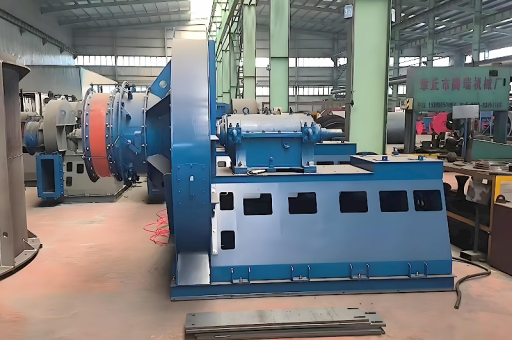
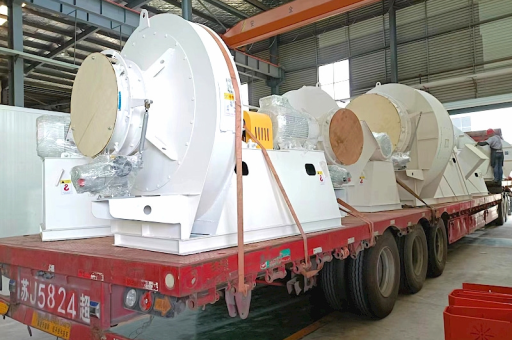
It seems you're looking for information about stainless steel dust removal fans. These are specialized industrial fans designed to handle dust-laden air in environments where corrosion resistance, hygiene, or explosion-proofing is required.
Here is a comprehensive breakdown of what they are, why they are used, their key features, and common applications.
What is a Stainless Steel Dust Removal Fan?
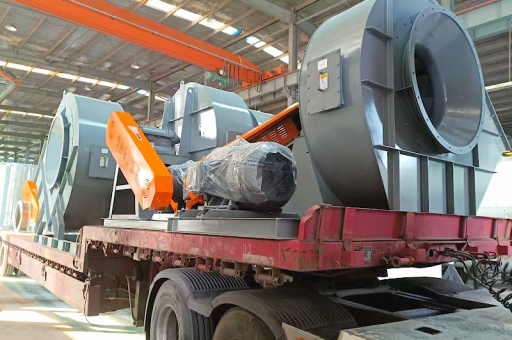
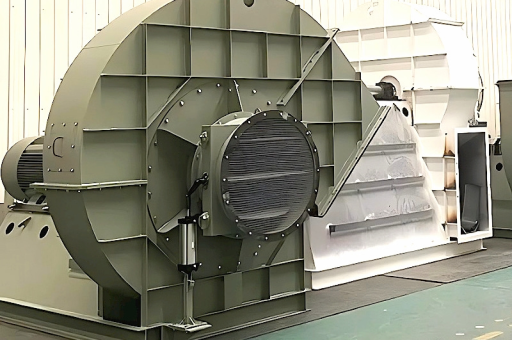
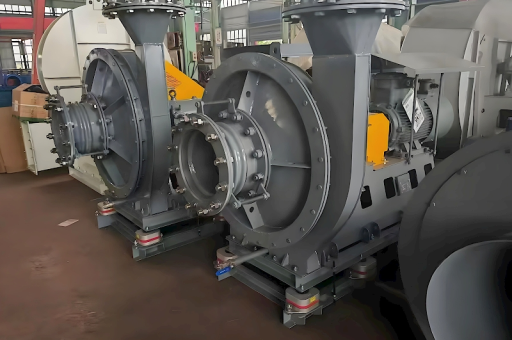
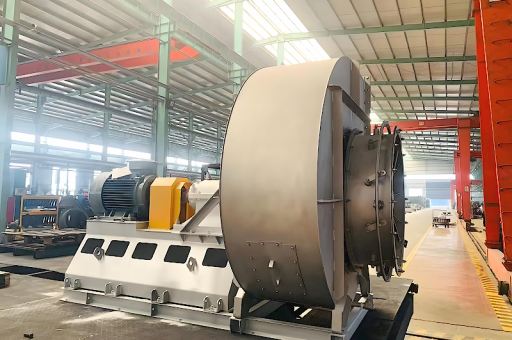
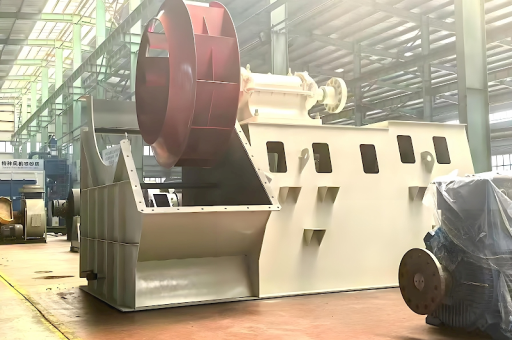
This is a centrifugal fan (primarily) or axial fan where the housing (volute/casing), impeller (wheel), and often the inlet cone are constructed from stainless steel, typically grades 304 or 316/L.
The "dust removal" aspect refers to the fan's design, which is specifically built to handle particulate matter (dust, shavings, fibers) without clogging or sparking.
Why Use Stainless Steel? (The Primary Benefits)
- Corrosion Resistance: The #1 reason. Standard carbon steel fans will rust rapidly in the presence of moisture, acidic fumes, or caustic dust (e.g., in food processing, chemical plants, or wastewater treatment).
- Hygiene & Cleanability: Stainless steel is non-porous and easy to sanitize. This is critical in food, pharmaceutical, and cleanroom applications where bacterial growth or contamination is a major concern.
- Explosion Proofing (Spark Resistance): When handling combustible dust (e.g., grain, sugar, metal powder), a spark from a fan can cause a devastating explosion. Stainless steel is non-ferrous and less likely to create a spark upon impact than carbon steel. These fans are often paired with non-sparking impellers (e.g., aluminum or Monel).
- High Temperature Resistance: Some grades (e.g., 310 or 321) can withstand very high temperatures, useful for hot exhaust or oven fume extraction.
Key Design Features for Dust Removal
A standard fan will quickly clog. A dust removal fan has specific geometry:
- Radial or Paddlewheel Impeller: Instead of backward-curved blades (which can clog), dust fans often use straight radial blades or a "paddlewheel" design. These create a steady airflow and are self-cleaning.
- Thick, Heavy-Duty Construction: To withstand the abrasive wear of dust particles hitting the impeller and housing at high speed.
- Wear Liners: Some models have replaceable liners on the inside of the housing to protect the stainless steel from being eroded.
- Drain Plugs: To allow for cleaning and draining of any collected moisture or slurry.
- Shaft Seal & Bearing Isolators: To prevent dust from migrating into the bearings and causing failure.
Common Applications
- Food Processing: Flour dust, sugar dust, spice grinding, grain handling. (316 SS is common here).
- Pharmaceuticals: Handling active pharmaceutical ingredients (APIs) in sterile environments.
- Chemical Processing: Exhausting corrosive fumes mixed with particulate (e.g., from plastic manufacturing, acid etching).
- Metalworking: Grinding, sanding, and polishing of stainless steel or other metals (the SS body resists the same corrosion the metal dust causes).
- Woodworking (Specialized): Exhausting high-moisture wood dust from kilns or green wood.
- Wastewater Treatment: Exhausting wet, corrosive air from sludge drying or processing.
How to Choose the Right One (Critical Factors)
When specifying or purchasing a stainless steel dust removal fan, you need to consider:
- Airflow (CFM) & Static Pressure (in. wg): The performance curve must match your system's resistance (ductwork, filters, cyclones).
- Dust Type & Concentration:
- Light dust (flour) vs. Heavy dust (metal shavings)
- Explosive dust (requires explosion-proof motor & non-sparking wheel)
- Abrasive dust (requires heavy-gauge steel & wear protection)
- Temperature: Standard fans are designed for ambient air. High-temp applications (e.g., oven exhaust) require a different shaft seal, cooling wheel, and motor.
- Environment:
- Indoor/Outdoor (moisture, rain, UV).
- Wash-down environment (FDA/USDA requirements, IP55/IP66 motor).
- Motor Type:
- Standard TEFC (Totally Enclosed Fan Cooled) for dry dust.
- Explosion-proof motor for hazardous locations (Class II, Groups E-H for combustible dust).
- Inverter Duty for variable speed control.
- Stainless Steel Grade:
- 304: Most common, good general corrosion resistance.
- 316/L: Superior corrosion resistance (chlorides, acids). Required for food/pharma washdowns.
- 316Ti or 321: For high-temperature applications (up to 1500°F+).
Popular Manufacturers (Examples)
- New York Blower (NYB): Offers the "General Industrial Fans" (GI) and "Radial Paddlewheel" in 316 SS.
- Greenheck: Their "Vektor" or "SDS" (Spark-Resistant, Dust) series.
- Cincinnati Fan: "CE" series with radial blade wheels, available in SS.
- Ammermaa-Nottenkämper: German manufacturer, known for heavy-duty, high-pressure dust extraction fans.
- DualDraw: Specializes in spark-resistant and corrosion-resistant fans for explosive dust.
Important Safety Note: Combustible Dust
If you are handling any combustible dust (wood, grain, sugar, coal, metal powders), you must comply with NFPA 68 and NFPA 654 (USA) or equivalent international standards.
- The fan must be spark-resistant.
- The motor must be explosion-proof and properly grounded.
- The system often requires explosion vents (rupture panels) or a suppression system.
In short: A stainless steel dust removal fan is a corrosion-resistant, hygienic, and often spark-resistant solution for moving dusty air. The correct choice depends entirely on the specific dust, temperature, and environmental conditions. If you provide more details on your specific application (e.g., "I'm exhausting sugar dust from a packing line at 150°F"), a more specific recommendation can be made.