This article's table of contents introduction:
- What is a Stainless Steel Centrifugal Fan?
- Why Use Stainless Steel? (The Primary Advantages)
- Key Components & Materials
- Common Impeller (Wheel) Types
- Common Applications
- Selection Considerations
- Cost vs. Value
Here is a comprehensive overview of Stainless Steel Centrifugal Fans, covering what they are, why they are used, their key components, common applications, and selection considerations.
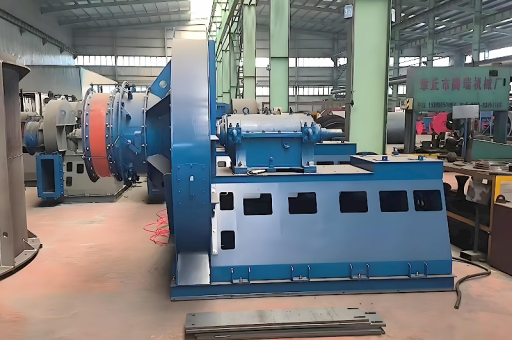
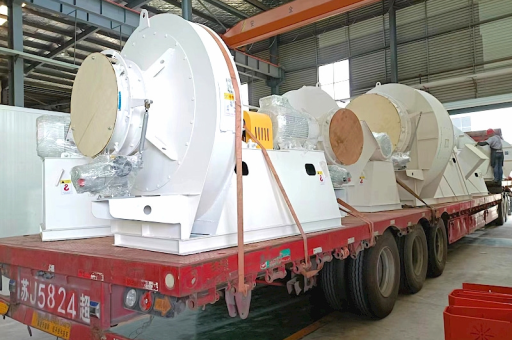
What is a Stainless Steel Centrifugal Fan?
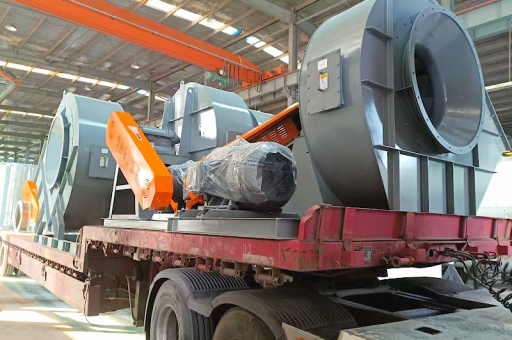
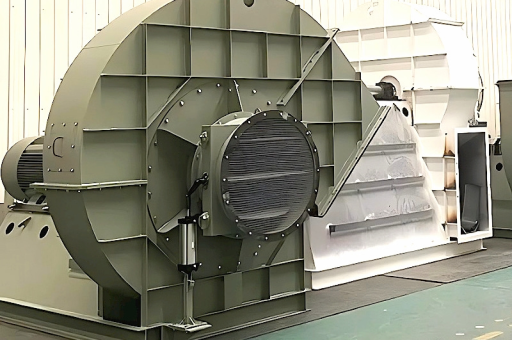
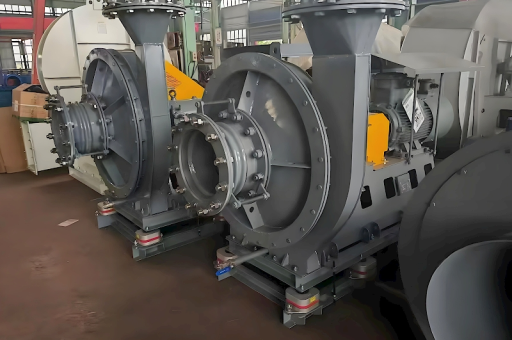
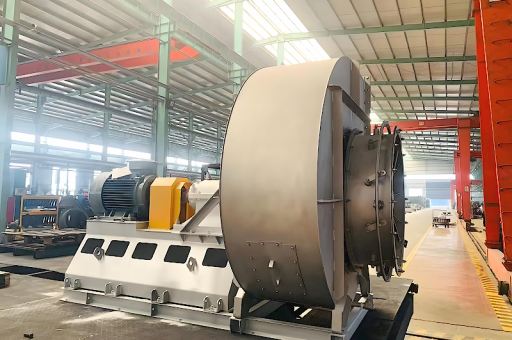
A centrifugal fan (also called a blower) moves air or gases by converting rotational kinetic energy into increased pressure and airflow. Air enters the fan axially, is turned 90 degrees by the impeller blades, and is discharged radially.
A Stainless Steel Centrifugal Fan is simply a centrifugal fan where the key components (impeller, housing, and often the inlet cone) are constructed from stainless steel (typically 304 or 316/316L grade).
Why Use Stainless Steel? (The Primary Advantages)
The choice of stainless steel over standard carbon steel (or coated steel) is driven by the environment and the media being handled.
- Corrosion Resistance: This is the #1 reason. Stainless steel (especially 316L) offers excellent resistance to:
- Moisture and humidity.
- Chemical vapors, acids, alkalis, and salts.
- Corrosive industrial fumes (e.g., from plating, chemical processing, laboratories).
- Hygiene and Cleanability: The non-porous, smooth surface of stainless steel is easy to clean and resists bacterial growth. This is critical for:
- Food processing.
- Pharmaceutical manufacturing.
- Clean rooms and hospitals.
- High-Temperature Performance: Stainless steel maintains its strength and resists oxidation at higher temperatures better than carbon steel. Fans can be designed for continuous operation at temperatures up to 500°C (932°F) or higher with special alloys.
- Spark Resistance: Stainless steel is non-ferrous, meaning it does not spark when struck against itself or other non-ferrous materials. This is a critical safety feature for handling explosive or flammable gases, dusts, or vapors (e.g., in solvent fume extraction).
- Durability & Longevity: In harsh environments, a stainless steel fan will outlast a painted or coated carbon steel fan by many years, reducing total cost of ownership despite a higher initial price.
Key Components & Materials
- Housing (Scroll/Casing): Typically 304 or 316L stainless steel. The thickness depends on the pressure class.
- Impeller (Wheel): The heart of the fan. Made from stainless steel. Blade types vary by application (see below).
- Inlet Cone (Venturi): Directs air into the impeller eye. Often stainless steel, but can be special materials for extreme corrosion.
- Shaft: Usually made of high-strength steel (like 4140) but shaft sleeves or the entire shaft itself can be stainless steel for protection in the air stream.
- Bearings: Typically heavy-duty, sealed ball bearings. They are often located outside the air stream (via a shaft seal) to protect them from corrosive contaminants.
- Drive/Base: The motor, belt drive (if used), and structural base are often painted carbon steel for strength and cost, but can be stainless steel for highly corrosive environments (e.g., food wash-down areas).
Common Impeller (Wheel) Types
The type of blades determines the fan's performance characteristics:
- Forward Curved (Squirrel Cage):
- Blades: Curve forward in the direction of rotation.
- Pros: High volume, low pressure, compact size, quiet.
- Cons: Less efficient, not for dirty or sticky air.
- Best for: Low-pressure ventilation, HVAC, clean air systems.
- Backward Inclined (or Backward Curved):
- Blades: Tilt backward away from the direction of rotation.
- Pros: High efficiency, steep pressure curve, non-overloading power.
- Cons: Higher speed for same performance.
- Best for: General industrial air movement, fume extraction, higher efficiency applications.
- Airfoil (Backward Curved Airfoil):
- Blades: Similar to backward inclined but hollow and shaped like an airplane wing.
- Pros: Highest efficiency, quietest, non-overloading.
- Cons: Most expensive, blades can be damaged by particulate.
- Best for: Clean, high-value applications where energy savings are paramount.
- Radial (or Paddle Wheel):
- Blades: Straight out from the center.
- Pros: Simple, strong, handles sticky or heavy particulate well, self-cleaning.
- Cons: Low efficiency, noisy.
- Best for: Material handling, exhausting heavy dust, industrial ovens.
Common Applications
- Chemical Processing: Exhausting corrosive fumes from tanks, reactors, and scrubbers.
- Food & Beverage: Ventilation of bakeries, breweries, processing areas; fume extraction from fryers; clean-in-place (CIP) systems.
- Pharmaceuticals: Air handling for clean rooms, tablet coating, fume hood exhaust.
- Wastewater Treatment: Aeration blowers, corrosive gas handling (H₂S, chlorine).
- Laboratories: Fume hood exhaust systems.
- Surface Finishing: Exhaust from plating lines, anodizing, acid etching.
- Oil & Gas: Offshore platforms, refineries (handling corrosive gases).
- Mining & Tunneling: Ventilation in corrosive or wet environments.
Selection Considerations
When specifying a stainless steel centrifugal fan, consider these factors:
- Gas Composition: What specific chemicals are present? (e.g., Chlorine) This will dictate if 304, 316L, or a higher-grade alloy like Hastelloy is needed.
- Temperature: High temperatures require specific alloy grades and design (e.g., thermal expansion allowances).
- Moisture/Humidity: Can lead to corrosion even without aggressive chemicals. 316L is often preferred.
- Particulate Load: If dust or sticky particles are present, choose a wheel type that won't clog (radial or backward inclined).
- Explosion-Proof Requirements: Need for non-sparking construction. In addition to stainless steel, consider a copper/aluminum shroud ring, static conducting belt/V-belts, and a certified motor.
- Spark Testing: For explosive environments, fans can be certified for "spark-resistant" construction (e.g., AMCA Type A, B, C).
- Wash-Down Environment: For food plants, the entire fan (including motor and base) may need to be made of stainless steel for high-pressure cleaning.
- Pressure & Flow: Match the fan's performance curve to your system's pressure drop and required CFM.
Cost vs. Value
- Higher Initial Cost: Stainless steel fans are significantly more expensive (often 2x to 5x or more) than their carbon steel counterparts.
- Lower Total Cost of Ownership (TCO): In corrosive environments, a stainless steel fan can last 10-20+ years, while a carbon steel fan might fail in 2-3 years. The savings in replacement costs, downtime, and maintenance almost always justify the initial investment.
In summary, a Stainless Steel Centrifugal Fan is a critical, high-durability component for any facility that must move corrosive, hot, or hygienically sensitive air or gases. The upfront investment is an insurance policy against premature failure and operational risk.