This article's table of contents introduction:
- Introduction to Fiberglass Centrifugal Fans
- Key Design Features and Material Advantages
- How Fiberglass Centrifugal Fans Compare to Metal Fans
- Primary Applications in Corrosive Environments
- Performance Factors: Airflow, Pressure, and Efficiency
- Installation and Maintenance Best Practices
- Frequently Asked Questions (FAQ)
- Conclusion and Future Trends
** The Complete Guide to Fiberglass Centrifugal Fans: Design, Applications, and Performance Optimization
Table of Contents
- Introduction to Fiberglass Centrifugal Fans
- Key Design Features and Material Advantages
- How Fiberglass Centrifugal Fans Compare to Metal Fans
- Primary Applications in Corrosive Environments
- Performance Factors: Airflow, Pressure, and Efficiency
- Installation and Maintenance Best Practices
- Frequently Asked Questions (FAQ)
- Conclusion and Future Trends
Introduction to Fiberglass Centrifugal Fans
Fiberglass centrifugal fans are essential air-moving devices engineered for corrosive environments where traditional metal fans would fail. These fans utilize fiberglass-reinforced plastic (FRP) as the primary construction material, offering exceptional resistance to acids, alkalis, and chemical vapors. In industries such as wastewater treatment, chemical processing, and wind turbine ventilation, these fans provide reliable, long-lasting airflow solutions. According to industry data, FRP fans can operate effectively for over 15 years in harsh chemical environments, compared to 3–5 years for steel fans, making them a cost-effective choice for continuous-duty applications.
Key Design Features and Material Advantages
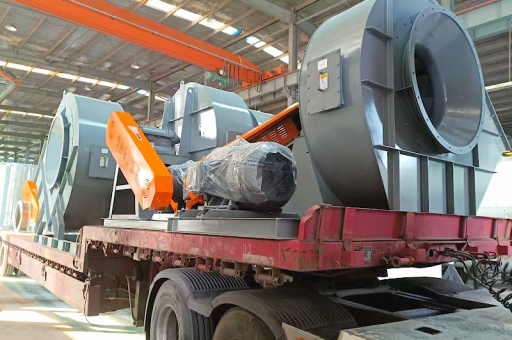
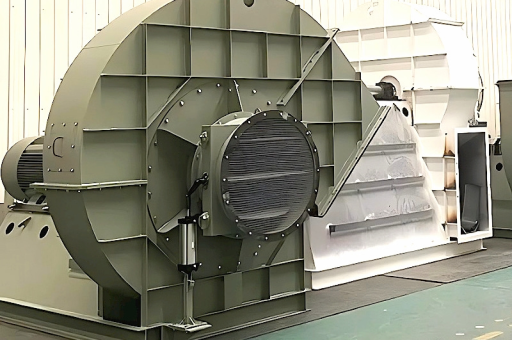
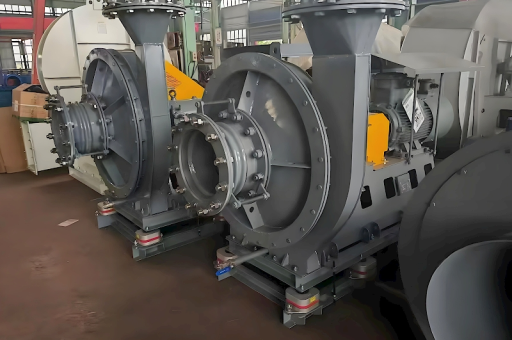
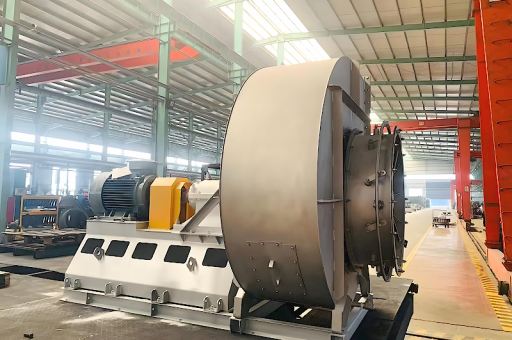
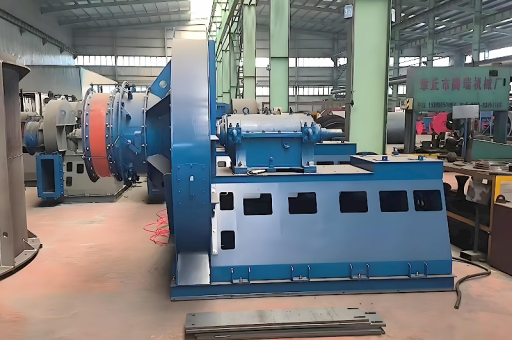
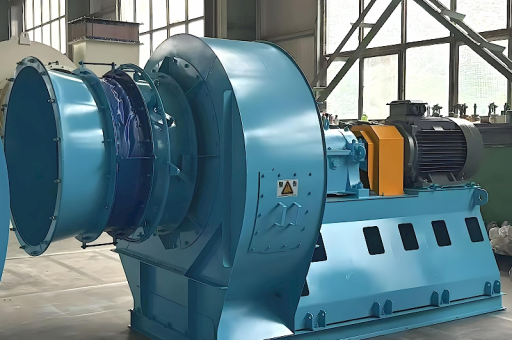
The core advantage of fiberglass centrifugal fans lies in their construction. Unlike centrifugal fans made from carbon steel or stainless steel, FRP fans are non-corrosive, lightweight, and resistant to thermal and chemical degradation. Key design elements include:
- Impeller: Typically backward-curved or radial-tipped blades, molded from glass-reinforced epoxy or vinyl ester resins. This design reduces vibration and noise while maintaining high static pressure.
- Housing: A one-piece molded FRP casing that eliminates weld seams, which are common failure points in metal fans. The housing also includes a drain to remove condensate.
- Shaft and Bearings: Sealed, corrosion-protected steel shafts with external bearing supports to prevent chemical contact.
These features make fiberglass centrifugal fans ideal for wind turbine nacelle cooling systems, where salt spray and high humidity must be managed without corrosion.
How Fiberglass Centrifugal Fans Compare to Metal Fans
A common question is:
Q: When should I choose a fiberglass centrifugal fan over a stainless steel fan?
A: Choose fiberglass when the airstream contains strong acids (e.g., sulfuric or hydrochloric acid vapors) or when weight is a concern. Fiberglass is 30–50% lighter than steel, reducing structural load on mounting frames—critical in wind turbine platforms where weight efficiency matters. However, for high-temperature applications above 250°F (121°C), stainless steel or specialty alloys are required because FRP resin degrades above that threshold.
Primary Applications in Corrosive Environments
Fiberglass centrifugal fans are deployed in several demanding sectors:
- Chemical Processing: Exhausting corrosive fumes from reactors, storage tanks, and scrubbers.
- Wastewater Treatment: Aeration and odor control in wet wells and covered tanks, where hydrogen sulfide (H₂S) damages metals.
- Wind Turbine Cooling: Moving filtered air through generator compartments, where salt-laden marine air would corrode standard fans.
- Semiconductor Manufacturing: Removing acidic vapors from etching and cleaning stations.
In each case, the FRP fan’s ability to maintain structural integrity for decades reduces downtime and replacement costs.
Performance Factors: Airflow, Pressure, and Efficiency
Fiberglass centrifugal fans are available in a wide performance range: from 500 to over 100,000 CFM (cubic feet per minute), with static pressures up to 20 in. w.g. (inches of water gauge). Efficiency is influenced by:
- Impeller profile: Backward-inclined blades offer higher efficiency (up to 85%) than radial blades, though radial types handle dust and particulate better.
- Motor selection: Premium efficiency motors (IE3/IE4) are recommended to reduce energy consumption, especially in continuous-duty wind turbine ventilation.
- System effects: Ductwork length, bends, and inlet obstructions can reduce actual performance by 15–30%. Always consult fan curves during selection.
Q: How can I calculate the right fan size for my chemical exhaust system?
A: First, determine the required CFM based on your exhaust hood face velocity or air change rate. Then, measure the total system static pressure (duct friction + equipment losses). Select a fan whose curve intersects those values at a point within 60–80% of its maximum flow—this ensures stable operation and lower energy costs.
Installation and Maintenance Best Practices
Proper installation extends fan life and safety:
- Foundation: Use rigid, vibration-absorbing bases to prevent FRP cracking.
- Duct connections: Install flexible connectors to avoid transmitting stress to the housing.
- Electrical: Verify that the motor is rated for hazardous locations if the airstream is flammable.
Maintenance is minimal compared to metal fans. Key actions include:
- Cleaning the impeller and housing with water or mild detergent every 3–6 months.
- Lubricating external bearings every 1,000 operating hours.
- Inspecting the fiberglass surface for cracking or crazing due to UV exposure (indoors or shaded installations are preferred).
Frequently Asked Questions (FAQ)
Q: Are fiberglass centrifugal fans spark-resistant?
A: With FRP construction, there are no metal-to-metal contacts, making these fans inherently spark-resistant. For ATEX or Class I environments, ensure the impeller is conductive and the fan is grounded.
Q: What is the maximum temperature for these fans?
A: Standard FRP fans can handle 200°F (93°C) continuously. With high-temperature resins (e.g., bisphenol-A or vinyl ester), operation up to 250°F (121°C) is possible. Always verify with the manufacturer.
Q: Can fiberglass fans be repaired if damaged?
A: Yes. Small cracks or holes can be filled with resin and glass mat. For severe damage, replace the component—many brands offer modular impellers and housings for easy swap-out.
Conclusion and Future Trends
Fiberglass centrifugal fans have become the standard in corrosive environments due to their unmatched durability and low lifecycle costs. As energy efficiency regulations tighten, manufacturers are integrating variable frequency drives (VFDs) and sensor-based monitoring to optimize airflow in real time. In the wind turbine sector, these fans are evolving to handle higher temperature differentials and more aggressive lubricant vapors. If you are planning an exhaust system for chemical, water, or renewable energy applications, fiberglass centrifugal fans offer a proven, reliable solution that balances initial investment with decades of service. For custom configurations, always consult an experienced FRP fan manufacturer to ensure proper material selection and performance matching.