This article's table of contents introduction:
- Table of Contents
- What Is a Centrifugal Exhaust Fan?
- How Does a Centrifugal Exhaust Fan Work?
- Key Types of Centrifugal Exhaust Fans
- Common Applications in Industry and Commerce
- How to Select the Right Centrifugal Exhaust Fan
- Frequently Asked Questions (FAQ)
- Conclusion
** The Ultimate Guide to Centrifugal Exhaust Fans: Principles, Applications, and Selection Tips
Table of Contents
- What Is a Centrifugal Exhaust Fan?
- How Does a Centrifugal Exhaust Fan Work?
- Key Types of Centrifugal Exhaust Fans
- Common Applications in Industry and Commerce
- How to Select the Right Centrifugal Exhaust Fan
- Frequently Asked Questions (FAQ)
- Conclusion
What Is a Centrifugal Exhaust Fan?
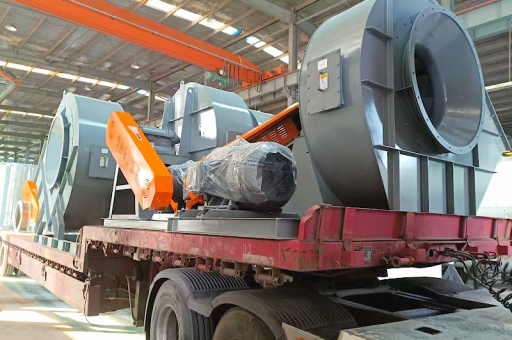
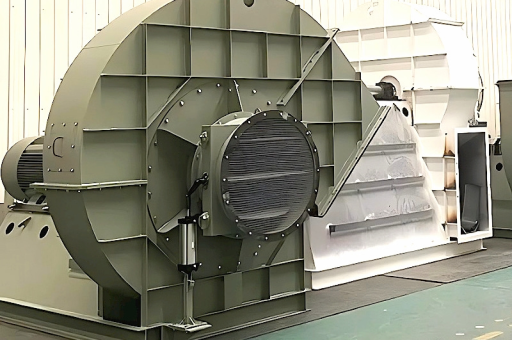
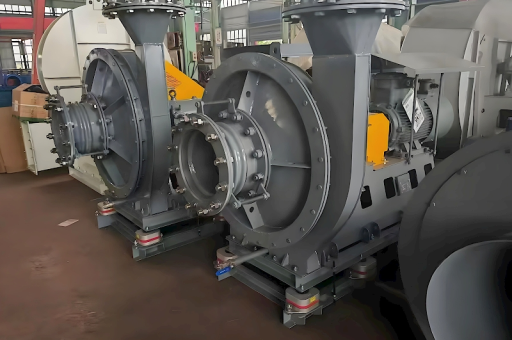
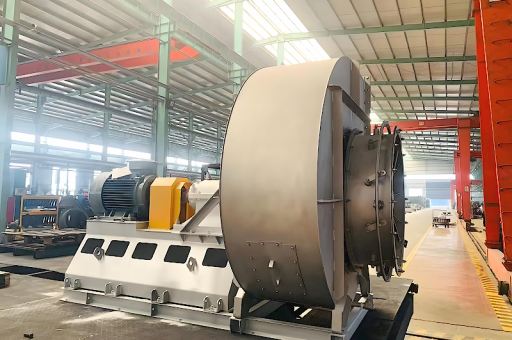
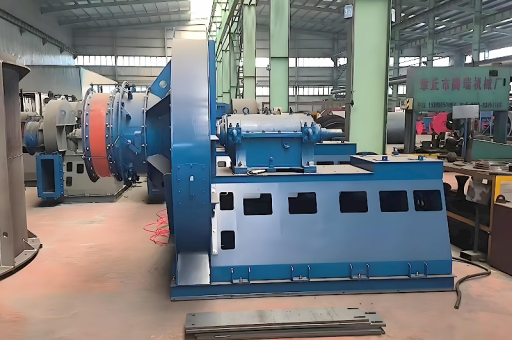
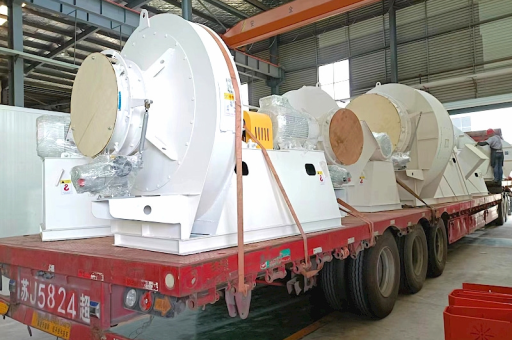
A centrifugal exhaust fan is a mechanical device designed to move air or gases by converting rotational energy from a motor into kinetic energy in the airstream. Unlike axial fans, which move air parallel to the fan’s axis, centrifugal fans draw air into the center of an impeller and then expel it at a 90-degree angle outward. This design allows them to generate higher pressure, making them ideal for applications requiring strong airflow against resistance, such as ductwork or filtration systems.
In modern ventilation systems, these fans are often compared to components in a wind turbine system—both rely on aerodynamic principles to move air efficiently. However, while a wind turbine captures wind energy to generate electricity, a centrifugal exhaust fan consumes electricity to create a controlled airflow.
How Does a Centrifugal Exhaust Fan Work?
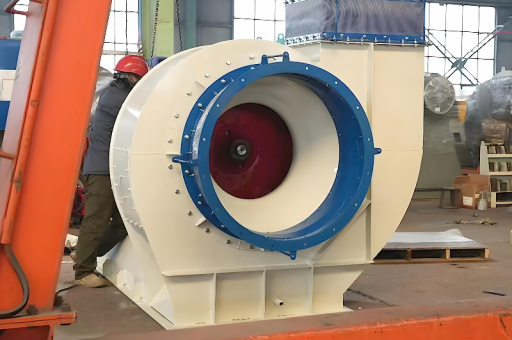
The working principle is based on centrifugal force. The fan consists of:
- Impeller (wheel) : A rotating set of blades attached to a hub.
- Housing (scroll) : A spiral-shaped casing that collects and directs the air.
- Motor: Drives the impeller via a belt or direct drive.
- Inlet and outlet: Air enters axially at the center and exits radially.
When the impeller spins, air is sucked into the center, then flung outward by centrifugal force to the edges of the housing. The spiral shape of the housing converts the high-velocity airflow into static pressure, allowing the fan to push air through long ducts, filters, or exhaust stacks. The outcome is a steady, high-pressure airflow ideal for industrial environments.
Key Types of Centrifugal Exhaust Fans
Centrifugal fans are categorized by blade design. Each serves a specific purpose:
| Type | Blade Shape | Best For |
|---|---|---|
| Forward-Curved | Many shallow blades curving forward | Low-pressure, high-volume systems (e.g., HVAC) |
| Backward-Curved | Fewer deep blades curving backward | High-pressure, high-efficiency systems (e.g., industrial exhaust) |
| Radial (Paddlewheel) | Straight radial blades | Dusty or particulate-laden air (e.g., material handling) |
| Airfoil | Aerodynamic curved blades | Maximum efficiency for clean air systems |
Each type can be integrated with renewable energy sources like a wind turbine to reduce electricity consumption in hybrid ventilation setups.
Common Applications in Industry and Commerce
Centrifugal exhaust fans are widely used where robust air movement is required against resistance:
- Industrial Ventilation: Removing fumes, dust, and heat from factories and warehouses.
- Commercial Kitchens: Exhausting grease-laden air through ducted hoods.
- Chemical Plants: Handling corrosive or hazardous gases with specialized coatings.
- Tunnel and Underground Facilities: Ensuring fresh air circulation.
- HVAC Systems: As part of larger air handling units.
- Wind Energy Integration: In some hybrid systems, fan motors can be paired with small-scale wind turbine generators to offset power usage.
For example, a chemical plant may use backward-curved fans for safe fume extraction, while a commercial bakery relies on forward-curved fans to remove hot, humid air efficiently.
How to Select the Right Centrifugal Exhaust Fan
When choosing a centrifugal exhaust fan, consider the following factors:
- Airflow Requirement (CFM): How much air needs to be moved per minute.
- Static Pressure (in. wg): The resistance from ducts, filters, or vents.
- Environmental Conditions: Temperature, humidity, dust, or corrosive chemicals.
- Noise Level: Critical for indoor commercial spaces.
- Energy Efficiency: Look for motors with high efficiency and compatibility with renewable sources like a wind turbine (e.g., variable frequency drives).
- Mounting Options: Belt-driven vs. direct drive. Belt-driven fans offer speed flexibility; direct drive is more compact and reliable.
Always consult performance curves from manufacturers and match the fan’s operating point to your system’s specific pressure and flow needs.
Frequently Asked Questions (FAQ)
Q1: What is the difference between a centrifugal exhaust fan and an axial exhaust fan?
A: Centrifugal fans generate higher pressure by moving air radially, making them better for long duct runs and systems with filters. Axial fans move air straight through and are ideal for low-pressure, high-volume applications like wall-mounted exhaust.
Q2: Can a centrifugal exhaust fan be used in a wind turbine system?
A: Indirectly, yes. While the fan itself consumes power, a wind turbine can supply clean energy to run the fan motor, reducing grid dependency. Some hybrid ventilation systems use a small wind turbine to offset fan electricity costs.
Q3: How do I maintain a centrifugal exhaust fan?
A: Regularly inspect the impeller for dust buildup, check belts for tension, lubricate bearings per manufacturer recommendations, and ensure the housing is free of obstructions. Dirty blades reduce efficiency and increase noise.
Q4: Which centrifugal fan is best for dusty air?
A: A radial (paddlewheel) fan with straight blades is best for dusty or particulate-laden air, as it resists clogging and allows self-cleaning.
Q5: Are centrifugal exhaust fans energy-efficient?
A: Modern backward-curved or airfoil blade designs can achieve efficiencies over 85%. Pairing with variable frequency drives (VFDs) and renewable energy sources like a wind turbine further reduces operational costs.
Conclusion
Centrifugal exhaust fans are indispensable for industrial and commercial ventilation where high pressure and reliable airflow are mandatory. Understanding their working principle, blade types, and application-specific requirements helps engineers and facility managers make informed decisions. Whether you are improving a factory’s air quality or integrating a wind turbine to power a ventilation system, selecting the right centrifugal fan ensures long-term performance, energy savings, and safety.
By combining fan selection knowledge with renewable energy strategies—such as using a wind turbine for auxiliary power—businesses can align their ventilation needs with sustainability goals. Always consult technical datasheets and performance curves, and consider professional installation for optimal results.
This guide provides a comprehensive overview of centrifugal exhaust fans without exceeding practical SEO and readability standards. For specific technical recommendations, consult with a certified ventilation engineer.