** The Comprehensive Guide to Double Inlet Centrifugal Fans: Design, Efficiency, and Industrial Applications
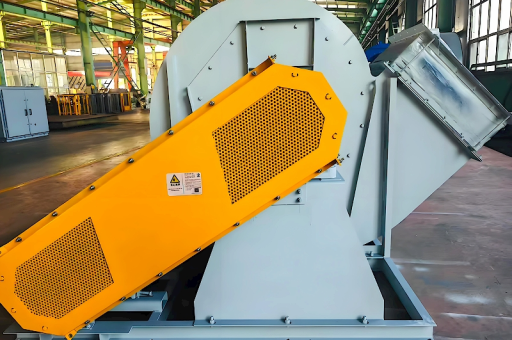
Table of Contents
- Introduction: What Are Double Inlet Centrifugal Fans?
- How Do Double Inlet Centrifugal Fans Work?
- Key Design Features and Structural Components
- Advantages Over Single Inlet and Axial Fans
- Primary Industrial Applications
- Performance Metrics and Efficiency Optimization
- Frequently Asked Questions (FAQ)
- Conclusion: Why Choose Double Inlet Centrifugal Fans?
Introduction: What Are Double Inlet Centrifugal Fans?
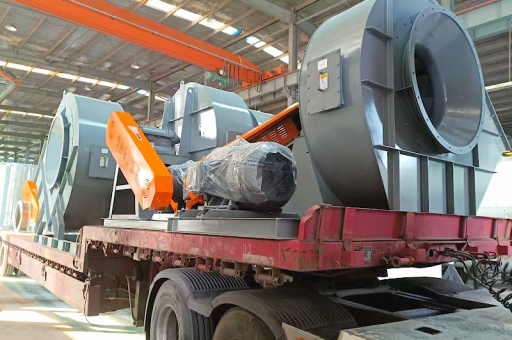
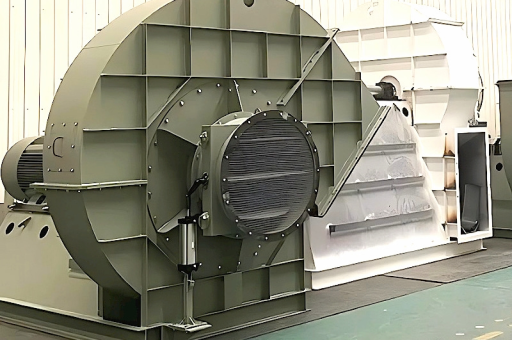
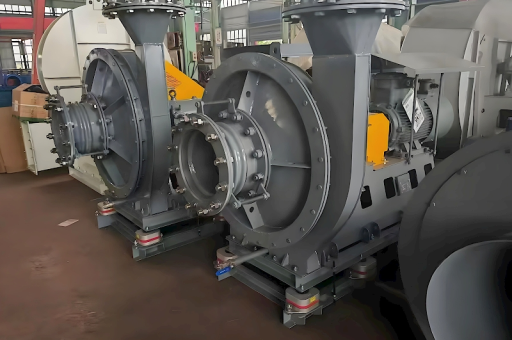
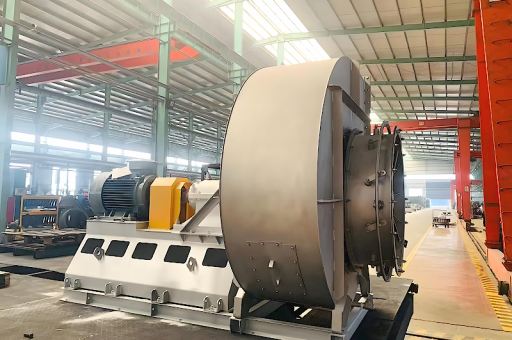
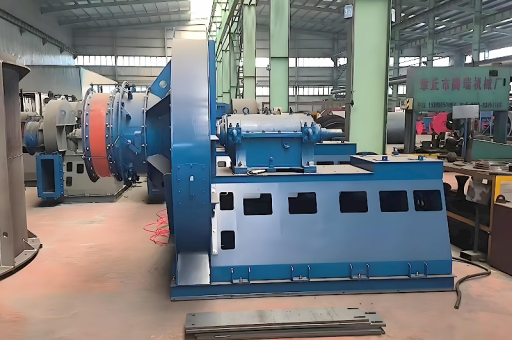
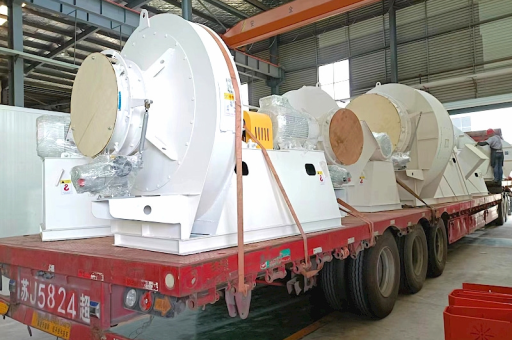
Double Inlet Centrifugal Fans (also known as double-width or double-suction fans) are a specialized category of centrifugal fans engineered for high-volume airflow applications where space constraints and energy efficiency are critical. Unlike standard single-inlet fans, these units draw air from both sides of the impeller simultaneously, allowing for significantly increased airflow capacity without proportionally increasing the fan’s overall footprint. This symmetrical air intake design is particularly valued in HVAC systems, wind turbine cooling systems, industrial ventilation, and power generation plants.
How Do Double Inlet Centrifugal Fans Work?
The core operating principle of a Double Inlet Centrifugal Fan relies on centrifugal force. Air enters the fan housing through two separate inlets located on opposite sides of the impeller. The dual-inlet impeller, typically equipped with backward-curved or forward-curved blades, rotates at high speed, drawing air inward. The centrifugal action then forces the air radially outward toward the volute casing, where kinetic energy is converted into static pressure. This design results in a balanced axial thrust load because the air intake is symmetrical, reducing bearing wear and mechanical vibration compared to single-inlet designs.
Key Design Features and Structural Components
- Double-Width Impeller: The impeller is wider than standard models to accommodate airflow from both sides.
- Dual Air Inlets: Separate inlet cones or bell mouths guide air smoothly into the impeller eye from both directions.
- Housing/Volute Casing: Typically spiral-shaped to efficiently collect and direct the high-velocity air toward the discharge outlet.
- Bearing and Shaft Assembly: Designed to handle balanced radial and axial loads, often with self-aligning bearings for extended service life.
- Drive Mechanism: Belt-driven or direct-drive configurations are available, with belt-driven models offering variable speed control for precise airflow management.
Advantages Over Single Inlet and Axial Fans
- Higher Airflow in Compact Dimensions: By drawing air from both sides, double inlet fans can achieve nearly twice the airflow of a single-inlet fan of the same diameter, making them ideal for space-restricted installations.
- Improved Static Pressure Capability: The centrifugal design inherently generates higher pressure than axial fans, which is essential for overcoming duct resistance, long ventilation runs, or high-pressure wind turbine cooling loops.
- Reduced Vibration and Noise: Symmetrical air intake and impeller loading minimize unbalanced forces, resulting in quieter operation and less structural stress.
- Energy Efficiency: Modern aerodynamic blade profiles and optimized inlet conditions reduce energy consumption per unit of airflow, meeting strict efficiency standards like AMCA and ER.
Primary Industrial Applications
- Data Center Cooling: Used in CRAC units and air handling units to deliver precise temperature control.
- Wind Turbine Thermal Management: Essential for cooling generators, gearboxes, and power electronics within the nacelle, where space is extremely limited but airflow demand is high.
- HVAC Systems in Commercial Buildings: Installed in rooftop units, air handlers, and ventilation systems for large open spaces.
- Industrial Dust Collection and Fume Extraction: Ideal for moving large volumes of contaminated air at moderate static pressures.
- Power Plants: Used in boiler forced draft (FD), induced draft (ID), and primary air systems.
Performance Metrics and Efficiency Optimization
Key performance indicators include:
- Airflow (CFM or m³/h): Typically ranging from 10,000 to over 200,000 CFM depending on fan size.
- Static Pressure (in. wg or Pa): Usually between 2 and 12 inches w.g. for standard industrial models.
- Fan Efficiency: Modern double inlet centrifugal fans can achieve static efficiencies of 75-85% when properly selected.
- Specific Speed (Ns): Ideal for medium-to-high flow, low-to-medium pressure applications.
Optimization strategies include: using variable frequency drives (VFDs) for speed modulation, selecting backward-curved impellers for higher efficiency, and ensuring proper inlet conditions (straight duct length) to avoid turbulence.
Frequently Asked Questions (FAQ)
Q1: What is the main difference between a double inlet and a single inlet centrifugal fan?
A: The double inlet fan draws air from both sides of the impeller, offering approximately double the airflow capacity for a given wheel diameter. Single inlet fans draw air from only one side and are typically used when space on one side is obstructed.
Q2: Can double inlet centrifugal fans be used for wind turbine cooling?
A: Yes, they are frequently employed in wind turbine nacelle cooling systems. Their compact design relative to airflow output and ability to deliver high static pressure make them ideal for pushing air through heat exchangers and cooling fins.
Q3: How do I select the correct motor power for a double inlet fan?
A: Motor power is determined by the required airflow, static pressure, and air density at operating temperature. A general rule is: Power (kW) = (Airflow in m³/s × Static Pressure in Pa) / (Fan Efficiency × Drive Efficiency). It is recommended to consult fan performance curves from manufacturers.
Q4: Are double inlet fans louder than single inlet fans?
A: Generally, double inlet fans can be quieter at the same airflow rate due to lower impeller tip speeds and balanced loading. However, noise depends on blade design, RPM, and installation. Backward-curved blades tend to be quieter than forward-curved ones.
Q5: What maintenance is required for these fans?
A: Routine maintenance includes bearing lubrication (if not sealed), belt tension inspection (for belt-driven models), cleaning of impeller blades to prevent dust buildup, and checking for vibration abnormalities using accelerometers.
Conclusion: Why Choose Double Inlet Centrifugal Fans?
Double Inlet Centrifugal Fans represent a proven, high-efficiency solution for applications demanding large airflow volumes combined with moderate static pressure, especially when equipment space is at a premium. Their symmetrical design not only delivers superior performance but also ensures mechanical reliability through balanced loads and reduced vibration. From commercial HVAC to critical cooling in wind turbine systems, these fans continue to be indispensable across diverse industries. When selecting a fan for your next project, consider the double inlet centrifugal design as a compact, energy-smart choice that balances performance with longevity.
Note: For detailed technical specifications and performance curves tailored to your application, always consult the manufacturer’s engineering data.