This article's table of contents introduction:
- What is a Boiler Exhaust Centrifugal Fan?
- Why is it Needed? (Key Functions)
- How it Works (Simple Flow)
- Critical Design Features for Boiler Exhaust
- Common Types of Centrifugal Fans Used
- Key Selection Parameters
- Common Problems & Maintenance
- Summary: ID Fan vs. FD Fan
This is a comprehensive overview of Boiler Exhaust Centrifugal Fans, covering their purpose, design, key features, types, and critical considerations for selection and operation.
What is a Boiler Exhaust Centrifugal Fan?
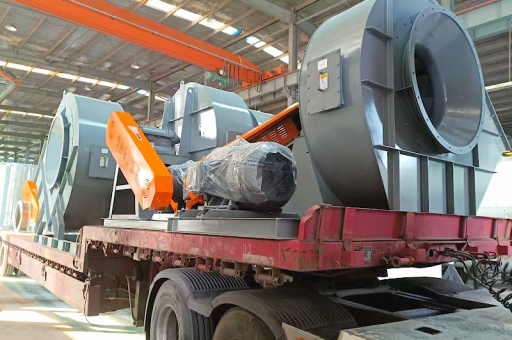
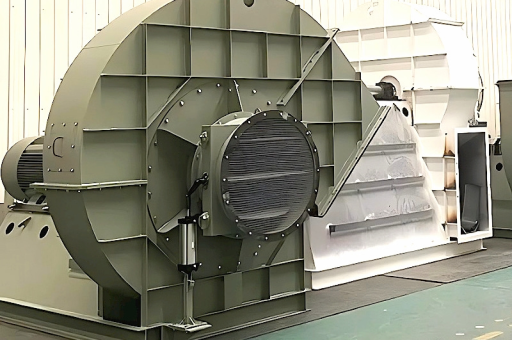
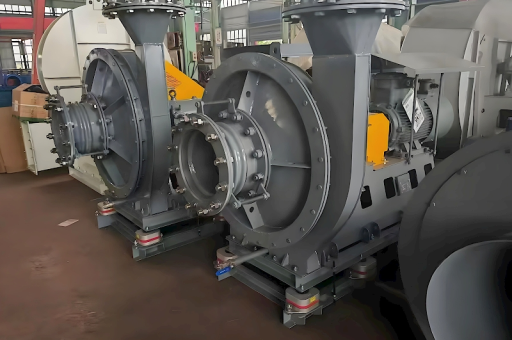
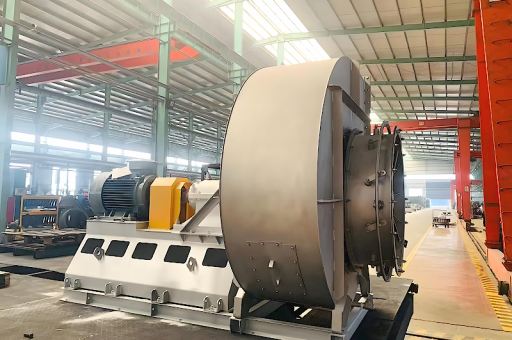
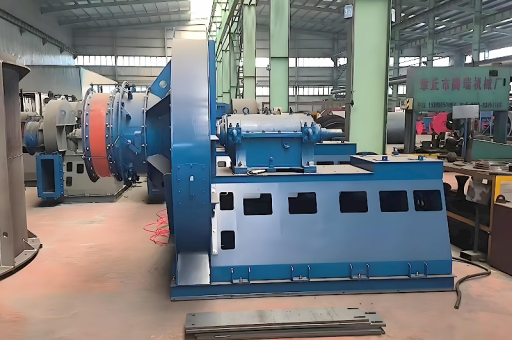
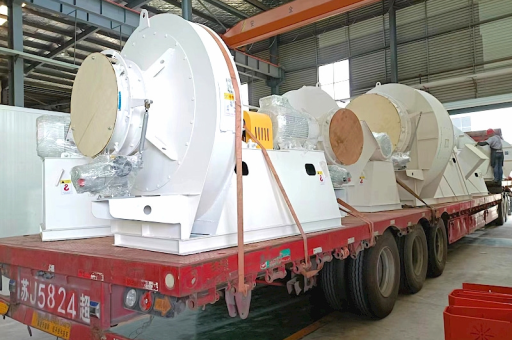
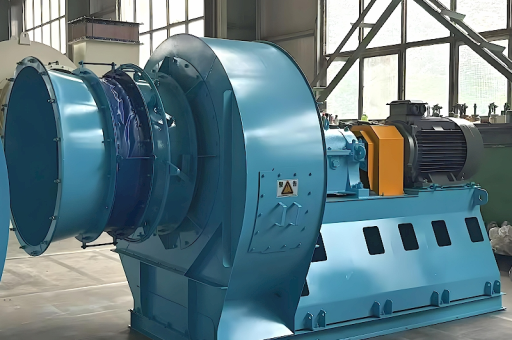
A Boiler Exhaust Centrifugal Fan (often called an Induced Draft Fan or ID Fan) is a mechanical device that draws flue gas (combustion byproducts) out of a boiler system and expels it into the chimney or exhaust stack, and finally into the atmosphere.
Think of it as the "vacuum cleaner" for a furnace or boiler. It creates negative pressure (suction) inside the boiler furnace and ductwork, ensuring that combustion gases flow safely and efficiently from the firebox, through the heat exchangers, and out the chimney.
Why is it Needed? (Key Functions)
- Negative Pressure Maintenance: The primary job is to maintain a slight vacuum (negative pressure) inside the furnace. This prevents dangerous hot gases and flames from being forced out of the boiler's openings (like doors or inspection ports) into the boiler room.
- Overcome System Resistance: The fan must be powerful enough to overcome the "draft loss" or resistance created by the boiler's internal components: heat exchanger tubes, baffles, economizers, scrubbers, and the exhaust stack itself.
- Proper Combustion: By ensuring a consistent flow of exhaust gases out, it allows the Forced Draft (FD) fan (which pushes air into the burner) to properly mix air and fuel for efficient combustion.
- Emission Control: It moves the exhaust gas through emission control equipment (like scrubbers, baghouses, or Selective Catalytic Reduction (SCR) systems) before release.
- Safety: Prevents dangerous buildup of carbon monoxide, sulfur dioxide, and other toxic gases inside the boiler room.
How it Works (Simple Flow)
- Fuel is burned in the boiler firebox.
- Hot flue gas (containing CO2, H2O, N2, O2, and pollutants) rises through the boiler tubes, transferring heat to the water/steam.
- The gas exits the boiler at the "exhaust outlet."
- The ID Fan (located in the duct after the boiler) spins its impeller, creating strong suction.
- The gas is pulled from the boiler, through the ductwork and pollution control equipment.
- The gas is discharged by the fan into the chimney/stack at a sufficient velocity to be released safely into the atmosphere.
Critical Design Features for Boiler Exhaust
Boiler exhaust fans operate in a uniquely hostile environment, so their design is specialized:
- High Temperature Resistance:
- Material: Typically constructed from carbon steel (for lower temps) or stainless steel (e.g., 316L, 310S – for very high temps). For extremely hot gases (>800°F / 425°C), special alloys or cooling methods are needed.
- Bearings: Usually mounted outside the fan housing on a water-cooled or air-cooled bearing pedestal to protect them from heat damage.
- Shaft Seal: A "flinger" or air purge seal prevents hot exhaust gases from traveling along the shaft to the bearings.
- Abrasion and Corrosion Resistance:
- Abrasion: Particles in the exhaust (fly ash, soot) can erode fan blades. Fans are often fitted with wear liners (hard plates or weld overlay) on the impeller and housing.
- Corrosion: Condensation of acidic components (sulfuric acid from sulfur in fuel, or HCl) is a major killer. Fans are made of stainless steel or coated with special elastomers (like Fiber-Reinforced Plastic (FRP) or rubber) if condensation is likely (e.g., in low-load operation or with certain fuels).
- Vibration Monitoring: Due to high rotational speeds and potential for imbalance from ash buildup or blade erosion, heavy-duty bearings with vibration sensors are standard.
- Variable Speed Control: To match boiler load, modern ID fans commonly use Variable Frequency Drives (VFDs) or variable inlet vanes to precisely control the volume of exhaust gas.
Common Types of Centrifugal Fans Used
The choice depends on gas cleanliness and pressure requirements:
| Type | Blade Design | Best For | Pros | Cons |
|---|---|---|---|---|
| Radial (Paddle Wheel) | Straight, radial blades | Dirty/dusty gas (e.g., biomass, coal, heavy oil) | Very robust, self-cleaning, handles high abrasion. | Lower efficiency, moderate noise. |
| Backward-Inclined / Airfoil | Curved backwards (hollow airfoil or flat plate) | Clean gas (e.g., natural gas) | High efficiency, low noise, steep pressure curve. | Prone to abrasion failure & material buildup on blades. Not for dirty gas. |
| Radial Tip | Radial at outlet, curved at inlet | Moderate dust loads (e.g., coal, high efficiency) | Good efficiency, moderate self-cleaning, handles higher pressure. | More expensive than simple radial. |
| Forward-Curved (Squirrel Cage) | Curved forward | Low-pressure, high-volume systems (rare in large boilers) | Compact, low cost, low speed. | Very low efficiency, high noise, not for dirty gas. |
Key Selection Parameters
When specifying a boiler exhaust fan, engineers consider:
- Gas Volume (CFM / m³/h): The total amount of exhaust gas at actual operating conditions.
- Static Pressure (inches w.g. / Pa): The total resistance the fan must overcome (boiler, ducts, pollution control, stack).
- Gas Temperature (°F / °C): The hottest possible temperature.
- Gas Composition: Is it wet? Does it contain SO2, HCl, or is it just from natural gas?
- Particulate Load: How much fly ash, soot, or dust is in the gas?
- Fuel Type: This dictates temperature and corrosiveness.
- Natural Gas: High temp, clean.
- Coal: Hot, abrasive, corrosive (sulfur).
- Biomass/Wood: Hot, high moisture, corrosive (chlorides), abrasive.
- Oil (Heavy): Hot, sticky, corrosive (sulfur, vanadium).
Common Problems & Maintenance
- Vibration: #1 cause of failure. Caused by ash buildup on impeller (uneven balance), erosion of blades, bearing wear, or looseness in the foundation.
- Bearing Failure: From overheating (due to ambient temps or hot gas leaking along the shaft) or contaminated grease.
- Blade Erosion: Wear at the leading edge or trailing edge. Requires hard-facing or lining replacement.
- Corrosion: Usually happens during startup/shutdown when flue gas temperatures are below the acid dew point. This creates condensation that eats away the fan casing and impeller.
- Fouling: Sticky ash (from burning heavy oil or certain biomass) accumulates on the impeller, unbalancing the rotor.
Summary: ID Fan vs. FD Fan
It’s easy to confuse the two. Here’s the difference:
- FD (Forced Draft) Fan: Located upstream of the boiler. Pushes cold, fresh air into the burner. Handles cold, clean air.
- ID (Induced Draft) Fan: Located downstream of the boiler. Sucks hot, dirty, corrosive flue gas out of the boiler. Handles hot, dirty, or corrosive gas.
Conclusion: The Boiler Exhaust Centrifugal Fan (ID Fan) is a critical, heavy-duty piece of equipment. Its design must be carefully matched to the specific fuel, operating temperature, and exhaust gas chemistry to avoid premature failure, ensure safety, and maintain efficient boiler operation. Regular inspection for erosion, corrosion, and vibration imbalances is essential for long life.