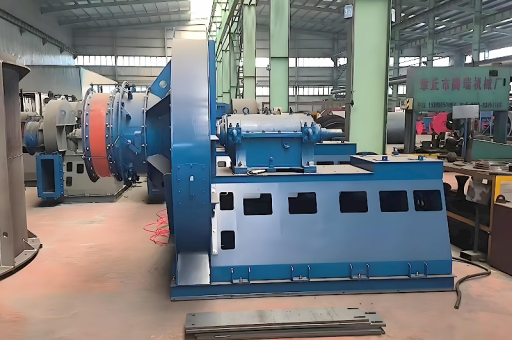
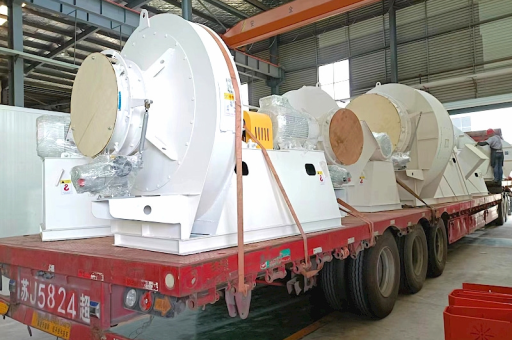
This article's table of contents introduction:
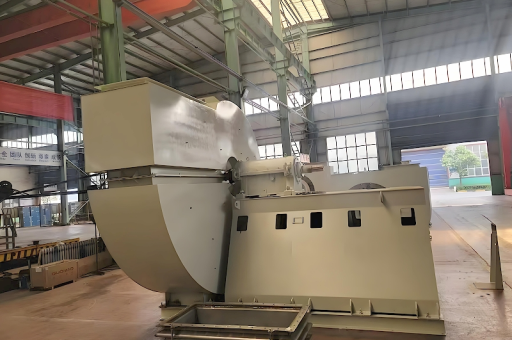
- Table of Contents
- Introduction: Why Centrifugal Fans Are Indispensable in Spraying Workshops
- Working Principle: How Centrifugal Fans Differ from Axial Fans
- Critical Applications in Spraying Environments
- Key Technical Specifications to Consider
- Common Challenges and Solutions
- Maintenance Best Practices for Longevity
- FAQ Section
- Conclusion: Future Trends in Industrial Fan Technology
** Optimizing Airflow Dynamics: The Essential Role of Spraying Workshop Centrifugal Fans in Industrial Ventilation
Table of Contents
- Introduction: Why Centrifugal Fans Are Indispensable in Spraying Workshops
- Working Principle: How Centrifugal Fans Differ from Axial Fans
- Critical Applications in Spraying Environments
- Paint Mist Extraction and Overspray Control
- Solvent Vapor Dilution and Explosion Prevention
- Temperature and Humidity Regulation
- Key Technical Specifications to Consider
- Air Volume (CFM) and Static Pressure
- Material Construction: Stainless Steel vs. Coated Steel
- Spark-Resistant Design and ATEX Compliance
- Common Challenges and Solutions
- Maintenance Best Practices for Longevity
- FAQ Section
- Conclusion: Future Trends in Industrial Fan Technology
Introduction: Why Centrifugal Fans Are Indispensable in Spraying Workshops
In any industrial painting or coating facility, the spraying workshop is the epicenter of both productivity and potential hazard. The airborne concentration of paint particles—often referred to as overspray—combined with volatile organic compounds (VOCs) from solvents creates an environment that is not only unpleasant but also dangerous. This is where spraying workshop centrifugal fans become the backbone of the ventilation system.
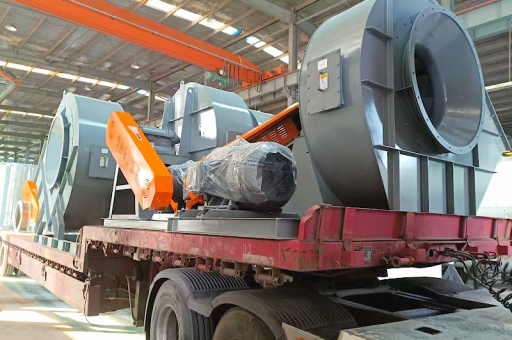
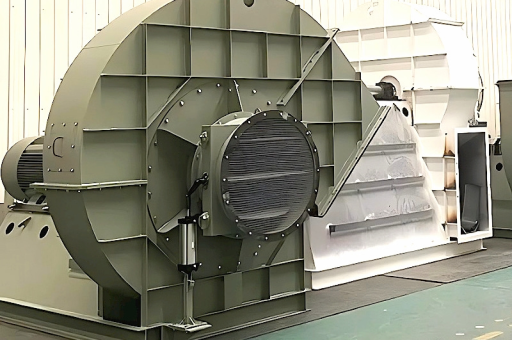
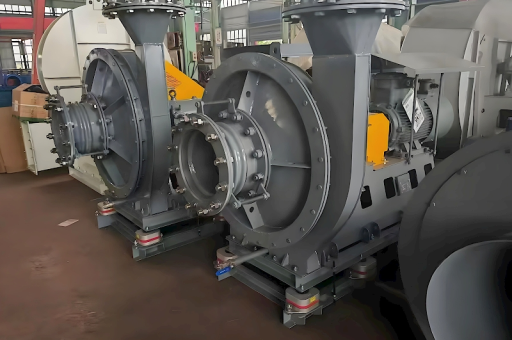
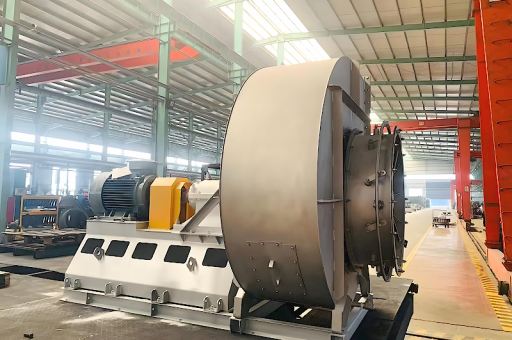
Unlike standard residential fans, centrifugal fans (also known as radial fans) are engineered to move air against higher resistance. In a spraying booth or workshop, the ductwork, filters, and exhaust stacks generate significant static pressure. A centrifugal fan excels at overcoming this backpressure, ensuring that contaminated air is continuously evacuated and replaced with fresh, filtered air. For any facility manager or engineer sourcing equipment for a wind turbine manufacturing plant or a large-scale painting line, understanding the nuances of these fans is critical for both regulatory compliance and worker safety.
Working Principle: How Centrifugal Fans Differ from Axial Fans
To appreciate the value of a centrifugal fan in a spraying workshop, one must first understand its mechanical difference from an axial fan.
- Axial Fans: These move air parallel to the fan’s axis (think of a household desk fan). They are excellent for high-volume, low-pressure applications, such as cooling a room. However, they struggle when ductwork generates friction or backpressure.
- Centrifugal Fans: These utilize a rotating impeller (wheel) that draws air into the center of the wheel and throws it outward at a 90-degree angle. This "slinging" action generates much higher pressure. In a spraying workshop, where air must pass through dense paint arrestor filters and long exhaust ducts, the high static pressure capability of a centrifugal fan is non-negotiable.
Key Question: Why can't I just use a large axial fan for my spray booth? Answer: An axial fan will stall or move insufficient air volume once the paint filters begin to load up with debris. The resistance increases, and an axial fan lacks the torque and pressure curve to maintain airflow. A centrifugal fan, with its backward-curved or forward-curved blades, maintains consistent performance even as filters clog, providing a safer working environment.
Critical Applications in Spraying Environments
Paint Mist Extraction and Overspray Control
The primary job of a centrifugal fan is to capture the "overspray" that misses the target workpiece. Without this extraction, paint particles settle on floors, walls, and equipment, creating a sticky fire hazard. The fan pulls the air through a series of filters—typically a dry particulate filter or a water wash system—before exhausting clean air. In a high-volume wind turbine blade painting facility, for example, the sheer volume of paint required demands a fan system capable of moving tens of thousands of cubic feet per minute (CFM).
Solvent Vapor Dilution and Explosion Prevention
Spraying workshops are classified as hazardous locations due to the presence of flammable vapors. A properly sized centrifugal fan ensures that the concentration of solvent vapor remains well below the Lower Explosive Limit (LEL). Many industrial centrifugal fans for this application are built with spark-resistant aluminum impellers and non-ferrous housing to prevent ignition.
Temperature and Humidity Regulation
Beyond contamination control, these fans also manage the microclimate. Paint adhesion and curing speed are highly dependent on temperature and humidity. A centrifugal fan integrated with a HVAC system can exhaust hot, humid air and maintain the specific dew point required for high-quality finishes, particularly in precision applications like automotive or wind turbine manufacturing.
Key Technical Specifications to Consider
Air Volume (CFM) and Static Pressure
This is the most critical pairing. You cannot look at CFM alone. A fan moving 10,000 CFM at 2 inches of static pressure is very different from one moving 10,000 CFM at 8 inches of static pressure. Always consult the fan curve. For a typical industrial spraying workshop, a static pressure rating between 4 and 10 inches of water gauge is common.
Material Construction
- Carbon Steel with Epoxy Coating: This is the standard for solvent-based paints. The coating prevents corrosion from chemical off-gassing.
- Stainless Steel (304/316): Required for highly corrosive environments, such as those using acidic primers or harsh solvents in the wind turbine coating process.
- Fiberglass Reinforced Plastic (FRP): Used for extreme chemical resistance in highly aggressive environments.
Spark-Resistant Design and ATEX Compliance
If you are working in an oil & gas or wind turbine environment, the fan must be compliant with strict safety standards (e.g., AMCA Type A or ATEX Zone 1/2). This includes using a direct-drive motor (no belts that can slip and generate static) and a high-efficiency motor (IE3 or IE4) to reduce heat buildup.
Common Challenges and Solutions
Challenge 1: Filter Loading As the paint arrestor filters catch more overspray, the resistance to airflow increases.
- Solution: Install a Variable Frequency Drive (VFD). As the filters clog, the VFD can increase the fan speed slightly to maintain constant airflow, extending the filter life and ensuring safety.
Challenge 2: Noise Pollution Centrifugal fans are inherently noisier than axial fans due to the high velocity of air hitting the volute casing.
- Solution: Use an acoustical enclosure around the fan housing and flexible connectors between the fan and ductwork to dampen vibration.
Challenge 3: Imbalance from Paint Buildup Paint can accumulate on the fan impeller, causing vibration and eventual bearing failure.
- Solution: Use a "water wash" or "self-cleaning" wheel design. Alternatively, schedule regular cleaning cycles where the wheel is balanced and cleaned with a solvent.
Maintenance Best Practices for Longevity
A centrifugal fan in a spraying workshop is subject to heavy abuse. To ensure it lasts more than 5-10 years, follow this regimen:
- Daily: Check belt tension (if belt-driven) and listen for unusual squealing or scraping sounds.
- Weekly: Inspect the impeller for paint buildup. Excessive buildup is a fire risk and causes imbalance. Clean with approved solvents.
- Monthly: Lubricate bearings according to the manufacturer's specifications. Check vibration levels using a handheld meter.
- Quarterly: Verify the tightness of all bolts on the fan housing and the base plate. Check the electrical connections for corrosion.
- Annually: Perform a full recalibration of the VFD, a replacement of the intake screen, and a complete bearing replacement if needed.
FAQ Section
Q1: How do I calculate the correct fan size for my spraying workshop? A: The recommended guideline is a minimum of 100 feet per minute of airflow velocity across the face of the spray booth opening. Multiply the booth opening area (Height x Width) by 100 to get the minimum CFM. Then, add approximately 20-30% for filter resistance and duct losses.
Q2: What is the difference between a forward-curved and backward-curved centrifugal fan? A: Forward-curved fans (squirrel cage) are smaller, quieter, and move high volume at low pressure—good for small booths. Backward-curved fans are larger, more efficient, and handle high static pressure with less risk of motor overload. For a large industrial spraying workshop (like those found in a wind turbine factory), backward-curved is the gold standard.
Q3: Can I use a centrifugal fan outdoors for a paint booth exhaust? A: Yes, but it must be weatherproof. You need a motor with a TEFC (Totally Enclosed Fan Cooled) enclosure and a rain hood over the intake or exhaust stack. Direct-drive models are preferred for outdoor use to avoid belt issues in humid conditions.
Q4: Is a higher CFM always better? A: No. Excessive airflow can cause "turbulence" inside the spray booth, which blows paint onto surfaces unevenly (disturbs the paint pattern). You want enough airflow to capture overspray but not so much that it affects the spray gun's atomization pattern.
Conclusion: Future Trends in Industrial Fan Technology
The role of the spraying workshop centrifugal fan is evolving. The industry is moving toward "smart" fans equipped with IoT sensors that monitor vibration, motor temperature, and static pressure in real-time. These systems can predict when a filter will clog or a bearing will fail before a catastrophic shutdown occurs.
Furthermore, energy efficiency is a top priority. The integration of high-efficiency EC (Electronically Commutated) motors into large centrifugal fans is reducing energy consumption by up to 30% compared to traditional AC motor setups. In industries like wind turbine manufacturing, where energy costs are a significant part of the operational budget, this efficiency gain is crucial.
Ultimately, selecting the right fan is not merely a mechanical decision—it is a safety, quality, and financial decision. By understanding the specific demands of your spraying environment and choosing a robust, spark-resistant, and correctly sized centrifugal fan, you ensure a compliant workshop, a healthier workforce, and a higher quality finished product.