This article's table of contents introduction:
- Why Use Centrifugal Fans in an Animal Farm?
- Key Types of Centrifugal Fans for Farm Use
- Critical Considerations for Farm Installation
- Top Manufacturers / Brands (Farm-Grade)
- Sizing & Selection (Quick Guide)
- Example Application: Swine Deep-Pit Exhaust
- Summary Recommendation
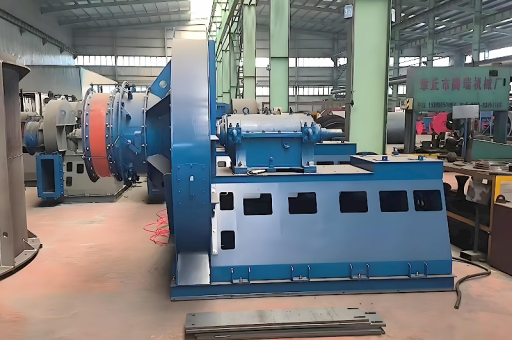
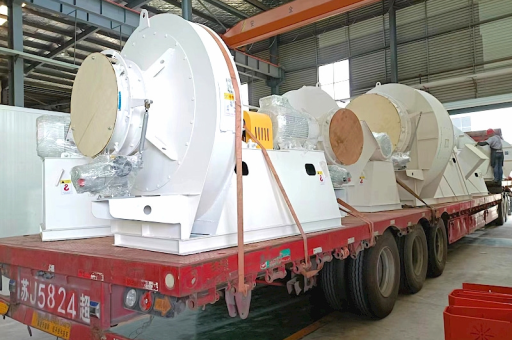
It appears you are looking for information regarding centrifugal fans used for ventilation in an "Animal Farm" setting (likely referring to agricultural/livestock barns, poultry houses, or swine facilities). The phrase "Animal Farm" here is a practical term for farm animal housing, not the Orwell novel.
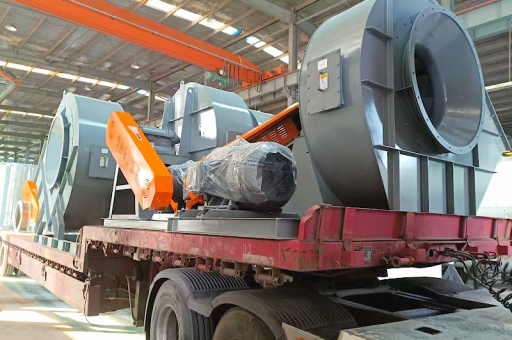
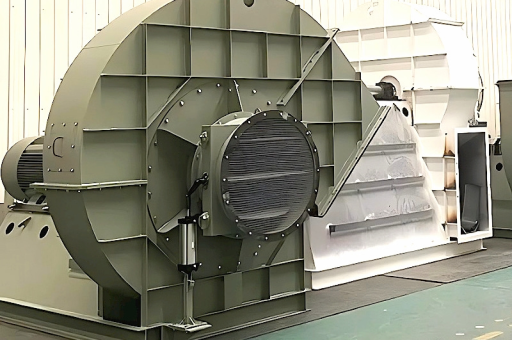
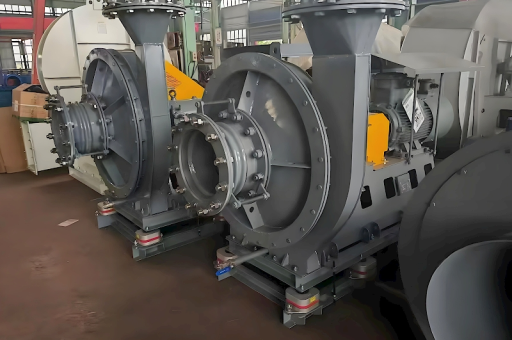
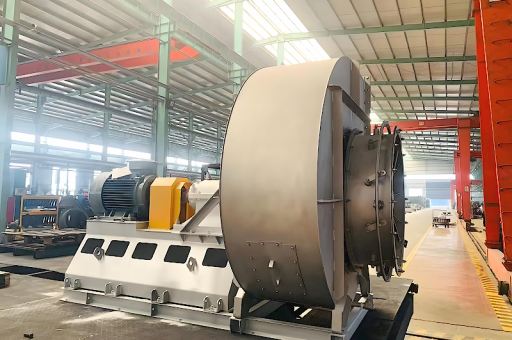
Here is a comprehensive breakdown of what you need to know about Animal Farm Ventilation Centrifugal Fans.
Why Use Centrifugal Fans in an Animal Farm?
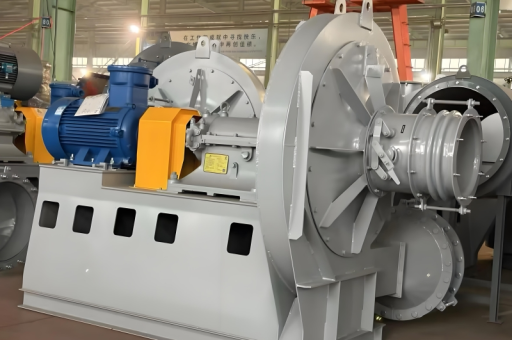
While axial fans (propeller-style) are common for basic air movement, centrifugal fans are superior for specific ventilation tasks in animal agriculture:
- High Static Pressure (ESP): Animal barns often have long duct runs, air inlets, filters, or heat exchangers. Centrifugal fans generate higher pressure to push air through these restrictions.
- Ducted Applications: They are ideal for connecting to rigid ductwork (e.g., tunnel ventilation, under-slat exhaust).
- Quieter Operation: Typically quieter than high-speed axial fans, which is better for animal welfare (reducing stress).
- Airflow Direction: They can turn airflow 90 degrees (inlet vs. outlet), allowing for more flexible installation.
- Controlling Odors & Humidity: Essential for removing ammonia, moisture, and dust from deep-pit manure systems or enclosed barns.
Key Types of Centrifugal Fans for Farm Use
| Type | Best For | Pros | Cons |
|---|---|---|---|
| Backward Inclined (BI) | High-pressure ducted systems, heat exchangers. | High efficiency, non-overloading power curve, handles dust well. | Higher initial cost. |
| Forward Curved (FC) | Lower pressure, high volume (e.g., mixing fans, short ducts). | Lower cost, compact size, quieter at low speeds. | Less efficient, motor can overload if static pressure drops. |
| In-Line Centrifugal | Duct runs where straight line flow is required. | Quiet, mounts inline with ducts, saves space. | Slightly lower efficiency than BI. |
| Plug Fans | Unhoused versions for custom plenums or retrofit. | Versatile, high performance, easy integration. | Requires custom housing or plenum. |
Critical Considerations for Farm Installation
- Corrosion Resistance: The farm environment is corrosive (ammonia, hydrogen sulfide, moisture). Fans must have:
- Housing: Galvanized steel (G90 or G235), stainless steel (304 or 316), or coated aluminum.
- Wheel: Coated steel, stainless steel, or aluminum.
- Motor: TEFC (Totally Enclosed Fan Cooled) with corrosion-resistant paint. Inverter-duty rated is recommended for VFD control.
- VFD (Variable Frequency Drive): Essential for modulating airflow based on temperature, humidity, and animal age. Centrifugal fans respond well to VFD speed control.
- Maintenance Access: Look for fans with removable panels or "swing-out" access doors for cleaning the wheel and housing. Dust and cobwebs reduce efficiency.
- Safety: Screens or guards on both inlet and outlet are crucial to prevent animal or worker injury.
Top Manufacturers / Brands (Farm-Grade)
- Acme Engineering & Manufacturing: (Model: CPL, CP, or CentriMaster series)
- Hudson Technologies (Crowley): (Model: Imperial or FarmMaster).
- Canarm AgSystems: (Model: BCTV or BCAF series).
- AirMax / Vostermans: (Good for high-efficiency European designs).
- Greenheck: (Model: BISW or GSS series for agricultural buildings).
- Munters / Chore-Time: (Often integrate centrifugal fans into complete barn ventilation systems).
Sizing & Selection (Quick Guide)
- Calculate Volume (CFM): How much total airflow is needed? (Example: 5-8 CFM per bird for poultry, 10-20 CFM per feeder space for swine).
- Determine Static Pressure (SP): Measure the resistance of the duct, inlet, filters, and building design. (Range: 0.25" to 1.5" w.g. for most farm ducts).
- Find the Operating Point: Use the fan's manufacturer curves. You need a fan that moves the required CFM at your calculated SP.
- Check Noise Levels: (dB). Below 70 dB is generally good; above 80 dB can stress animals.
- Power Supply: Ensure voltage and phase (single or three-phase) match the motor.
Example Application: Swine Deep-Pit Exhaust
- Problem: Ventilating a slatted-floor barn with a deep manure pit.
- Solution: A Backward Inclined Centrifugal Fan (e.g., Acme CentriMaster).
- Duct: 12" to 24" diameter galvanized duct running from pit to roof.
- Motor: 1 HP to 5 HP, 3-phase, 1740 RPM, TEFC.
- Control: VFD controlled by pit temperature and pit gas sensors (H2S, NH3).
- Result: High static pressure overcomes the pit's resistance and duct friction. The fan moves air without overworking.
Summary Recommendation
For most Animal Farm Ventilation needs: Choose a Backward Inclined Centrifugal Fan with:
- Galvanized or stainless steel housing.
- Aluminum or epoxy-coated steel wheel.
- TEFC Inverter-Duty motor.
- Belt drive (for easier speed adjustment) or direct drive (for lower maintenance).
- VFD controller.
Do not use standard HVAC centrifugal fans. They lack the corrosion resistance and performance characteristics needed for the harsh, demanding environment of an animal farm.
Do you have specific barn specs (animal type, size, duct length) or a budget range? I can provide a more precise model recommendation.