** The Ultimate Guide to Fresh Air System Centrifugal Fans: Efficiency, Applications, and Key Buying Tips
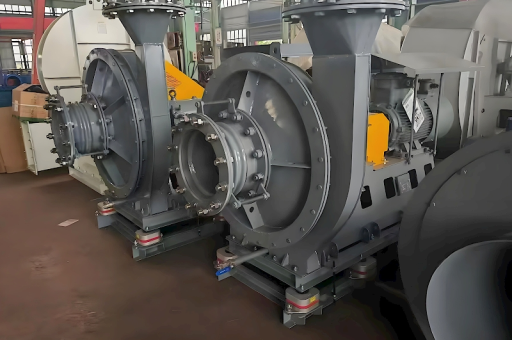
Table of Contents
- Introduction: What Is a Fresh Air System Centrifugal Fan?
- How Centrifugal Fans Differ from Axial Fans
- Core Components and Working Principle
- Key Advantages for Fresh Air Systems
- Common Applications in HVAC and Industrial Settings
- Selection Criteria: CFM, Static Pressure, and Noise
- Maintenance and Troubleshooting FAQs
- Top Brands and Future Trends
- Conclusion
Introduction: What Is a Fresh Air System Centrifugal Fan?
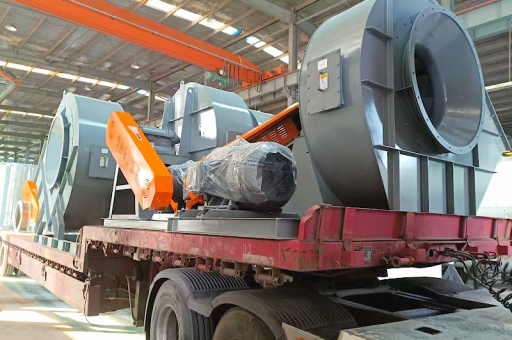
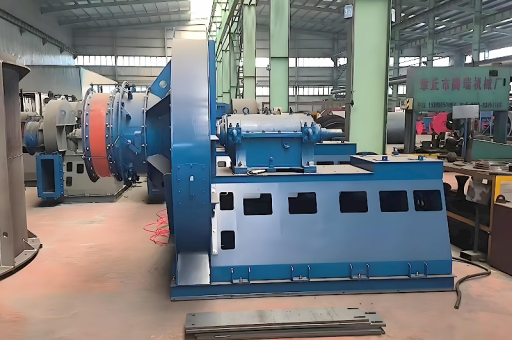
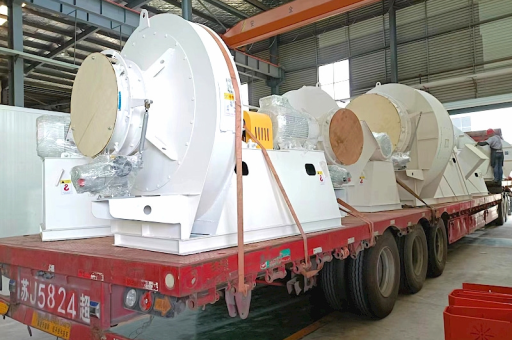
A Fresh Air System Centrifugal Fan is a specialized air-moving device designed to draw in outdoor air, filter it, and distribute it into indoor spaces. Unlike traditional axial fans that push air in a straight line, centrifugal fans use a rotating impeller to increase air pressure and volume, making them ideal for ducted ventilation systems. These fans are critical in modern HVAC, green buildings, and industrial cleanrooms where indoor air quality (IAQ) must be tightly controlled.
How Centrifugal Fans Differ from Axial Fans
To understand the value of a centrifugal fan, compare it with an axial fan:
| Feature | Centrifugal Fan | Axial Fan |
|---|---|---|
| Airflow direction | 90° change (radial) | Straight line (axial) |
| Pressure capability | High static pressure | Low to medium static pressure |
| Noise level | Generally quieter in ducted systems | Louder at high speeds |
| Efficiency in long ducts | Excellent | Poor |
| Typical use | HVAC, fresh air intake, filtration | Cooling, exhaust, open spaces |
Key takeaway: For fresh air systems that require filtration, heating/cooling coils, and long duct runs, centrifugal fans outperform axial fans in both energy efficiency and noise control.
Core Components and Working Principle
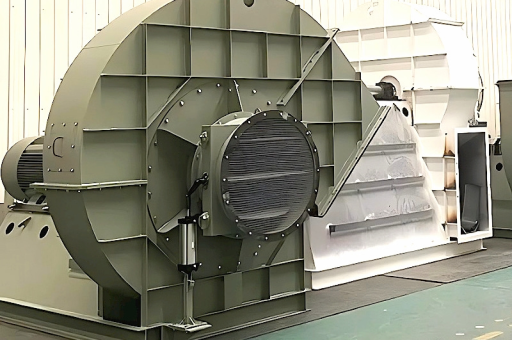
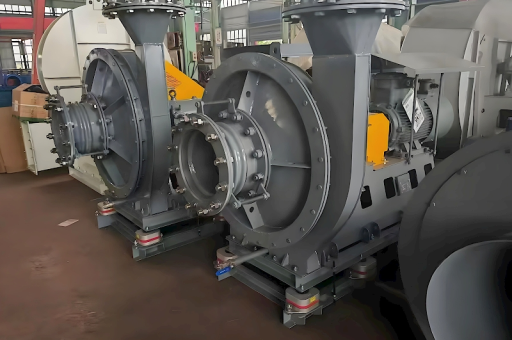
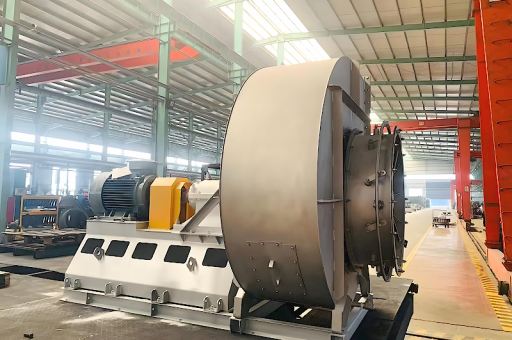
A standard Fresh Air System Centrifugal Fan consists of:
- Impeller (wheel): Forward-curved, backward-curved, or radial blades.
- Housing (volute): Spiral-shaped to convert kinetic energy into static pressure.
- Motor: EC (electronically commutated) or AC induction motors.
- Inlet/outlet: Configured for duct attachment.
- Filter rack: Often integrated at the intake.
Working Principle:
Air enters the inlet, hits the rotating impeller blades, accelerates outward via centrifugal force, and exits through the volute discharge. This process generates higher pressure than axial fans, enabling the air to overcome resistance from HEPA filters, dampers, and long duct runs.
Key Advantages for Fresh Air Systems
- High Static Pressure: Overcomes resistance from MERV-13 or HEPA filters.
- Energy Efficiency: Modern EC motor models can reduce energy use by 30–50% compared to AC motors.
- Quiet Operation: Forward-curved impellers and sound-dampened housings produce <55 dB at medium speed.
- Modular Design: Easily integrated with heat recovery ventilators (HRVs) and energy recovery ventilators (ERVs).
- Durability: Galvanized steel or coated aluminum resists corrosion in outdoor fresh air intakes.
Example: A 1,000 CFM centrifugal fan with an EC motor can deliver 0.8 inches w.g. static pressure while consuming only 350 watts.
Common Applications in HVAC and Industrial Settings
| Application | Description |
|---|---|
| Residential fresh air intake | Supplies filtered outdoor air to a home’s HVAC system |
| Commercial office buildings | Maintains CO₂ levels below 800 ppm via demand-controlled ventilation |
| Hospital isolation rooms | Provides negative/positive pressure with HEPA filtration |
| Data centers | Delivers cooled filtered air to server racks |
| Wind turbine nacelle cooling | Moves air through tight enclosures to cool electronics |
| Industrial cleanrooms | Maintains ISO Class 5–8 particle counts |
Note: In wind turbine nacelles, compact centrifugal fans are used to cool generators and converters, where high static pressure is needed despite limited space.
Selection Criteria: CFM, Static Pressure, and Noise
When selecting a Fresh Air System Centrifugal Fan, consider:
- CFM (Cubic Feet per Minute): Calculate required airflow based on occupancy (15–20 CFM/person per ASHRAE 62.1).
- Static Pressure (in. w.g.): Sum resistance from duct, filters, coils, and dampers. Typical range: 0.5–2.0 in. w.g.
- Noise Level (dBA): For occupied spaces, target <50 dBA. Use backward-curved impellers for lower noise.
- Motor Type: EC motors for variable speed and energy savings; AC motors for constant speed and ruggedness.
- Casing Material: Galvanized steel for standard use; stainless steel for corrosive environments.
Quick sizing example: For a 2,000 sq. ft. office (10 occupants, 200 CFM total, MERV-13 filter, 50 ft. duct), a 0.75 HP centrifugal fan with 0.4 in. w.g. static pressure is typical.
Maintenance and Troubleshooting FAQs
Q: How often should I clean the impeller?
A: Every 6 months for standard HVAC; every 3 months for dirty environments (construction, industrial). Buildup reduces efficiency by 15–25%.
Q: Why is my centrifugal fan vibrating?
A: Possible causes: unbalanced impeller, worn bearings, loose mounting. Check balance and replace bearings (typically every 2–3 years).
Q: Can I use an axial fan instead?
A: Only if static pressure is very low (<0.2 in. w.g.) and duct length is under 10 feet. Otherwise, centrifugal is required.
Q: What is the lifespan of a centrifugal fan?
A: 10–15 years with proper maintenance. EC motors typically last 20,000–40,000 operating hours.
Q: Are centrifugal fans compatible with wind turbine systems?
A: Yes. Many wind turbine manufacturers use compact backward-curved centrifugal fans for nacelle and electronics cooling, due to their high pressure and compact footprint.
Top Brands and Future Trends
Current market leaders in Fresh Air System Centrifugal Fans include:
- Greenheck (CUBE series, EC motor)
- Soler & Palau (TD-MIXVENT)
- EBM-Papst (RadiCal, backward-curved)
- Fantech (FR series)
Future trends:
- IoT integration: Real-time monitoring of RPM, filter loading, and energy consumption.
- Low-carbon refrigerants: Fans designed for heat recovery ventilation with R-32 or R-290.
- 3D-printed impellers: Custom aerodynamics for ultra-low noise.
- Integration with wind turbine powered HVAC: Offshore HVAC platforms use centrifugal fans driven by wind turbine generated electricity.
Conclusion
A Fresh Air System Centrifugal Fan is a high-performance, energy-efficient solution for delivering clean outdoor air into any building or industrial space. By understanding its working principle, comparing it with axial fans, and selecting the correct CFM and static pressure, you can ensure optimal indoor air quality and system longevity. Whether you are designing a green commercial building, a hospital ventilation system, or cooling electronics inside a wind turbine nacelle, centrifugal fans remain the top choice for reliable, quiet, and powerful fresh air delivery.