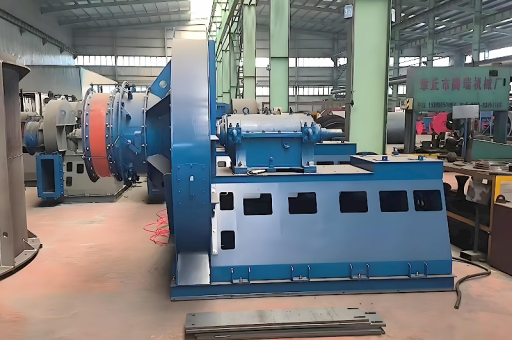
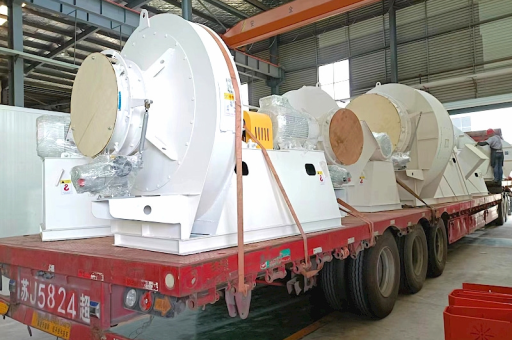
This article's table of contents introduction:
- Table of Contents
- Introduction: The Critical Role of Wear-resistant Dust Collector Fans
- Core Design Features: Materials and Engineering
- Application Scenarios: Where These Fans Excel
- Performance Metrics: Efficiency and Longevity Compared to Standard Fans
- Maintenance Best Practices: Extending Service Life
- Frequently Asked Questions (FAQ)
- Conclusion: Investing in Durability for Long-term Gains
** Maximizing Efficiency with Wear-resistant Dust Collector Fans: Design, Applications, and Maintenance
Table of Contents
- Introduction: The Critical Role of Wear-resistant Dust Collector Fans
- Core Design Features: Materials and Engineering
- Application Scenarios: Where These Fans Excel
- Performance Metrics: Efficiency and Longevity Compared to Standard Fans
- Maintenance Best Practices: Extending Service Life
- Frequently Asked Questions (FAQ)
- Conclusion: Investing in Durability for Long-term Gains
Introduction: The Critical Role of Wear-resistant Dust Collector Fans
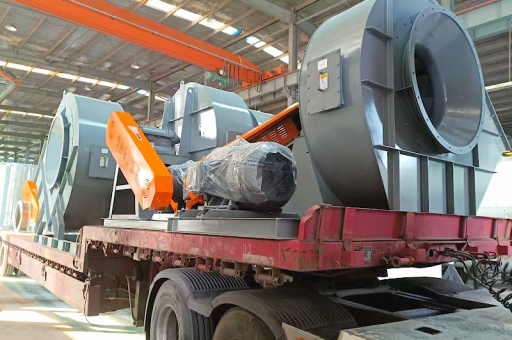
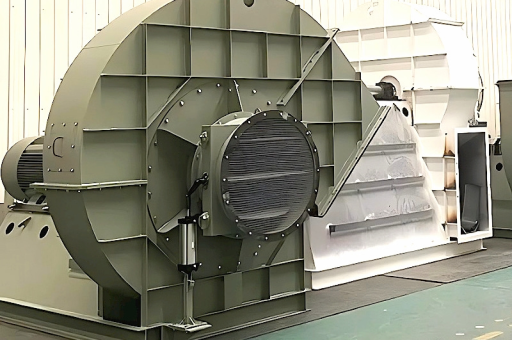
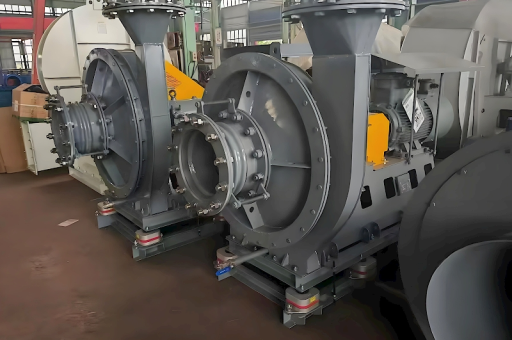
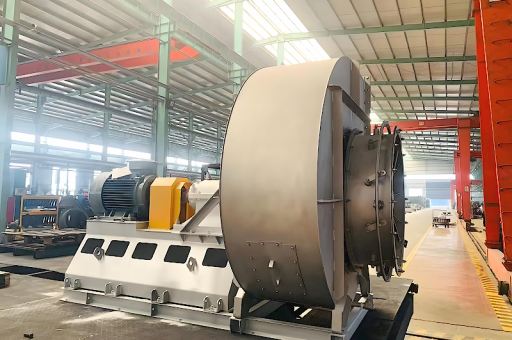
In industrial environments where dust, abrasive particles, and high-velocity debris are everyday challenges, standard ventilation fans often fail prematurely. This is where Wear-resistant Dust Collector Fans become indispensable. Unlike standard fans, these units are engineered to withstand continuous erosion from particulate matter, ensuring reliable operation in sectors like mining, cement, woodworking, and metal fabrication. According to industry data, fans that lack erosion-resistant coatings can lose up to 40% of their efficiency within the first year of abrasive service, leading to increased energy costs and unscheduled downtime. High-quality wear-resistant fans maintain stable airflow and static pressure even under extreme conditions, directly supporting regulatory compliance (e.g., OSHA or EPA standards for airborne particulates). Additionally, modern designs are optimized for wind turbine applications, where airborne dust and grit can accelerate blade and housing wear.
Core Design Features: Materials and Engineering
The durability of a wear-resistant dust collector fan begins with material selection. Common construction methods include:
- Abrasion-resistant steel liners: Typically AR400 or AR500, applied to the fan housing and impeller blades.
- Ceramic or tungsten carbide coatings: Sprayed on high-wear areas to create a barrier against particle impact.
- Reinforced impeller geometry: Thicker blade profiles and scalloped edges reduce concentration of stress.
- Balance and vibration control: Precision machining ensures that even after erosion begins, the fan does not induce harmonic vibrations, which can damage ductwork.
Another emerging trend is the use of composite materials in smaller fans, offering lower weight and corrosion resistance while maintaining acceptable wear life. Manufacturers increasingly simulate airflow using computational fluid dynamics to identify hot spots for erosion and reinforce those zones selectively. For example, a wind turbine’s cooling or dehumidification system often uses smaller wear-resistant fans to protect sensitive electronics from sand and salt spray.
Application Scenarios: Where These Fans Excel
Wear-resistant dust collector fans are not universal—they are specifically chosen for harsh, particle-laden streams. Typical scenarios include:
- Cement and aggregate plants: Raw material handling produces silica dust, which is highly abrasive. Fans here must handle temperatures up to 150°C and particle velocities over 30 m/s.
- Metalworking and welding booths: Fumes contain hot metal shavings and flux particles that can rapidly pit standard blades.
- Wood processing: Sawdust and wood chips contain moisture and resin, which can cause material buildup and accelerated wear at blade edges.
- Pharmaceutical or food processing: While less abrasive, these industries require fans that resist particle buildup without shedding coatings, ensuring sanitary compliance.
- Renewable energy installations: In wind turbine nacelles, fans are used for generator cooling and brake resistor ventilation, where sea salt or desert sand can threaten reliability.
The common thread: any environment with a high particulate loading rate (over 200 mg/m³) demands fan components that resist erosive wear.
Performance Metrics: Efficiency and Longevity Compared to Standard Fans
Quantitative comparison reveals that wear-resistant fans offer a total cost of ownership advantage. Key performance indicators include:
| Metric | Standard Fan | Wear-resistant Fan |
|---|---|---|
| Mean Time Between Failure (MTBF) | 8,000 – 12,000 hours | 40,000 – 60,000 hours |
| Energy efficiency drop over 2 years | 15% – 25% | less than 5% |
| Blade thickness loss per year (abrasive service) | 5 – 4 mm | 2 – 0.8 mm |
| Required balancing intervals | every 6 months | every 2 years |
These figures derive from field studies in cement plants and mining operations. Notably, the initial cost premium of wear-resistant fans (often 20–50% higher) is recovered within 18–24 months through reduced maintenance labor, fewer replacement parts, and lower power consumption. For wind turbine applications, the premium is offset by avoiding expensive crane-out service calls for tower-mounted cooling fans.
Maintenance Best Practices: Extending Service Life
Even the best-engineered fan requires periodic care. Recommended actions include:
- Inspect for erosion patterns quarterly: Check blade leading edges and housing volute zones for pitting or gouging.
- Monitor vibration trends: A 20% increase in vibration amplitude often indicates uneven wear; early rebalancing can prevent catastrophic failure.
- Clean the impeller and housing: Prevent material buildup that can cause imbalance and reduce clearance margins.
- Apply field-repair coatings: Some manufacturers supply epoxy-ceramic patches for minor areas of wear, postponing full replacement.
- Check inlet screens and pre-filters: Reducing large particle ingress directly reduces erosion severity.
For wind turbine operators, maintenance schedules should align with annual gearbox oil changes, minimizing downtime. Always consult the fan manufacturer’s specific guidelines for coating touch-up procedures.
Frequently Asked Questions (FAQ)
Q1: How do I know if my facility needs a wear-resistant dust collector fan?
A: If your dust stream contains particles with a Mohs hardness above 5 (e.g., silica, alumina, or metal oxides) or if current fans require blade replacement more than once per year, a wear-resistant fan is likely justified. Conduct a dust analysis to confirm particle size distribution and abrasiveness.
Q2: Can wear-resistant fans handle explosive dust?
A: Yes, but must be part of a certified ATEX or NFPA compliant system. Explosion-proof motors, conductive coatings, and spark-resistant impellers can be integrated. The housing should also be designed to contain internal overpressure.
Q3: Are these fans suitable for wind turbine cooling systems?
A: Absolutely. For wind turbine nacelle and generator cooling, fans must withstand salt spray, desert sand, and possible ice shards. Specialty centrifugal fans with corrosion-resistant coatings and O-ring-sealed housings are common in offshore installations.
Q4: What is the typical installation cost difference vs. a standard fan?
A: Expect 30–50% higher purchase price, but lower foundation and duct reinforcement needs because wear-resistant fans are often heavier. Installation complexity is similar. Long-term savings from reduced downtime usually outweigh the upfront investment.
Q5: How often should coatings be reapplied?
A: Factory-applied ceramic coatings typically last 3–5 years under moderate abrasion. Field-applied repair coatings require recoat every 1–2 years depending on duty cycle and particle velocity. Always follow manufacturer recommendations.
Conclusion: Investing in Durability for Long-term Gains
Wear-resistant Dust Collector Fans are not merely a premium option but a necessity for industries that operate in heavily particulate-laden environments. By integrating advanced materials, precise engineering, and routine maintenance, these fans deliver significantly extended service life, higher energy efficiency, and reduced downtime compared to conventional solutions. Whether deployed in cement plants, woodworking shops, or wind turbine nacelles, their value proposition is clear: lower total cost of ownership, enhanced safety compliance, and reliable performance in the harshest conditions. For any facility manager evaluating capital equipment, the data strongly supports prioritizing abrasive-duty-rated fans for particle-laden air streams. Begin by consulting with manufacturers that offer site-specific analysis and simulation to match fan geometry to your exact dust characteristics.