This article's table of contents introduction:
- The Core Distinction: Dust Collector vs. Shop Vac vs. Axial Fan
- Solution 1: The Dedicated Dust Collector (The "Fan" is the Impeller)
- Solution 2: The "Dust Fan" for Simple Chip Collection (Not for Fine Dust)
- Solution 3: The Shop Vac with a Dust Separator (A Compromise)
- Summary: Which "Fan" Do You Need?
This is a critical topic for any workshop. The short answer is: For fine woodworking dust (the most dangerous), you need a dedicated dust collector (DC), not a shop vac or a fan. However, a "fan" is often the impeller inside that dust collector.
Let's break down what you actually need based on your specific workshop task, because "dust collector fan" can mean a few different things.
The Core Distinction: Dust Collector vs. Shop Vac vs. Axial Fan
It's vital to understand the difference in their engineering.
| Feature | Dust Collector (DC) | Shop Vac | Axial Fan (Box Fan / Muffin Fan) |
|---|---|---|---|
| Primary Purpose | Capture large volumes of chips & fine dust | Small spills, liquid pickup | General air circulation, cooling |
| Airflow (CFM) | High (500 - 2,000+ CFM) | Medium (100-200 CFM) | High, but zero pressure |
| Static Pressure | Medium (4" - 12" of water) | Very High (60"+) | Near Zero (<1") |
| Hose Size | 4" - 6" diameter | 5" - 2.5" diameter | N/A (free air) |
| Dust Storage | Large bag or drum (5-50+ gal) | Small bucket or tank (2-16 gal) | No storage (just blows it) |
The most important takeaway: Do not use an axial fan (box fan, floor fan, bilge fan) for dust collection. It lacks the pressure to move air through a hose, filter, or long duct. It will just blow the fine, hazardous dust around your shop, making the air more dangerous to breathe.
Solution 1: The Dedicated Dust Collector (The "Fan" is the Impeller)
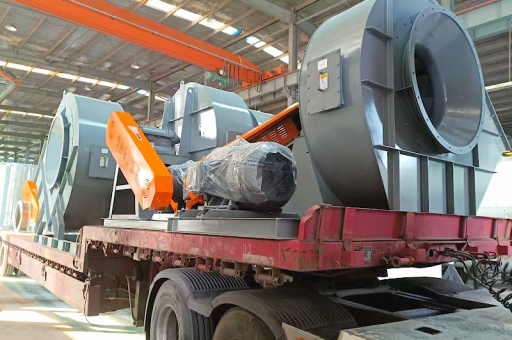
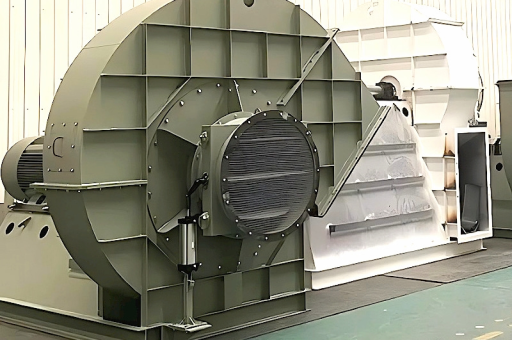
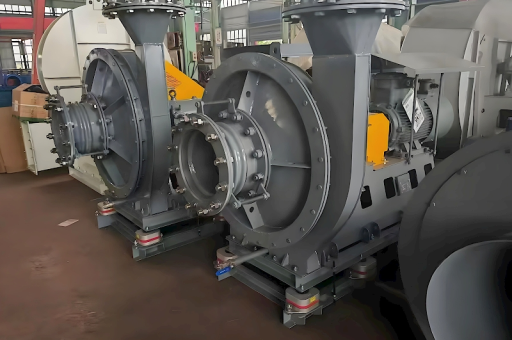
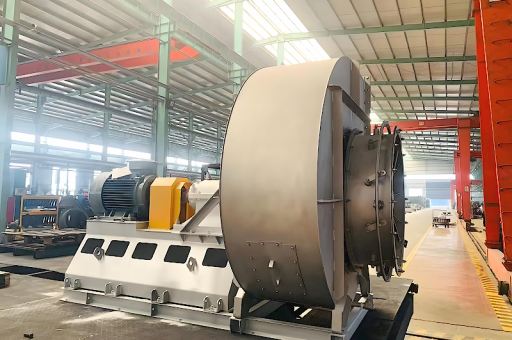
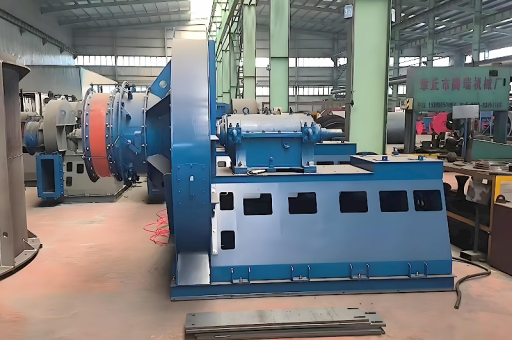
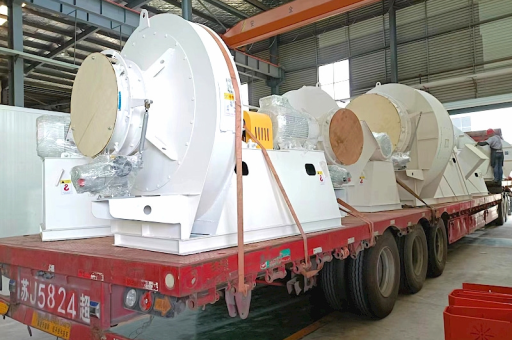
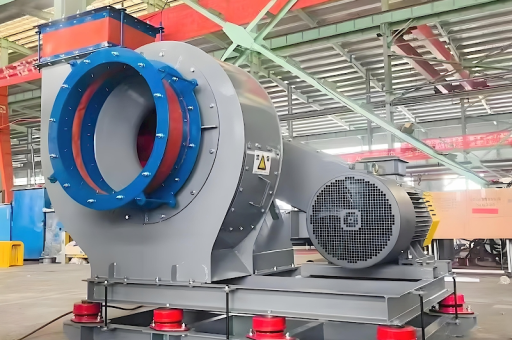
This is what most people mean by a workshop "dust collector fan." It is a centrifugal fan (impeller) specifically designed to move large volumes of air against the resistance of ductwork and filters.
Key Components:
- Motor: 1-3 HP (often 1.5 or 2 HP for hobbyists).
- Impeller: A paddlewheel or radial-blade fan. This is the actual "fan" that creates the airflow and pressure.
- Housing: A scroll-shaped housing that directs the air.
- Filter: A 1-micron or HEPA-rated filter bag or cartridge (essential for health).
- Collection Container: A plastic bag or metal drum (i.e., chip collector can).
What to look for:
- Airflow (CFM): For a single 4" hose on a table saw, you need at least 400-600 CFM at the tool. A 1.5 HP unit is the minimum. A 2 HP unit is the standard for most hobbyist shops.
- Static Pressure: Look for 6"-12" of water. A higher number means the collector can handle long duct runs and small hoses better.
- Filter Rating: Crucial. The filter must be rated for 1 micron or less (HEPA is even better). The fine dust (PM2.5) is what causes lung disease. A standard 30-micron bag is essentially a "dust redistributor."
- Hose Size: 4" is the minimum for any machine. A 2.5" hose is a huge bottleneck and will destroy performance.
Examples (Brands): Jet, Powermatic, Grizzly, JET, Laguna, Oneida Air Systems.
The "Fan" in a Dust Collector:
- Single-Stage: The impeller is mounted directly above the collection bag. Air passes through the impeller first, then the bag. (Cheaper, slightly less efficient).
- Two-Stage: Uses a separate fan (impeller) unit. The air enters a cyclone separator first, dropping chips into a drum, then the cleaned air goes through the impeller and filter. (More expensive, much better for fine dust separation, less filter clogging).
The key term to search for:
Centrifugal fan for dust collectorordust collector impeller. These are the 12"-16" diameter fans with backward-inclined or radial blades that provide the pressure needed.
Solution 2: The "Dust Fan" for Simple Chip Collection (Not for Fine Dust)
If your goal is simply to move large wood chips (planer, jointer, lathe) a short distance—like 10 feet—to a bonfire or a dumpster, you can use a high-volume, low-pressure centrifugal fan without a filter.
This is NOT for health reasons. It will fill your shop with fine dust. It's for contractors on a jobsite who don't care about the fine dust.
- Fan Type: Material Handling Fan (aka "MIA" Fan or Industrial Fan).
- Airflow: Very high (2,000+ CFM).
- Pressure: Medium (2"-5" of water).
- Pros: Moves chips very fast. Can handle large, wet, or heavy materials (shavings, sawdust).
- Cons: Expensive. Extremely loud. No fine dust filtration. Unsafe for an indoor workshop.
Solution 3: The Shop Vac with a Dust Separator (A Compromise)
If you can't afford a true dust collector, a shop vac with a Dust Deputy / Cyclone Separator is the best budget option. The shop vac's strong suction (high static pressure) is good, but its low airflow makes it poor for dust collection.
Key limitation: A shop vac will not pull enough air through a 4" hose to effectively capture dust from a table saw or a planer. It works well for sanders, routers, and small tools. It will not properly ventilate a room.
Summary: Which "Fan" Do You Need?
| Your Goal | The Correct "Fan" | Why |
|---|---|---|
| Capture fine dust from table saw, planer, jointer (Health Priority) | Dedicated 1.5-3 HP Dust Collector (Centrifugal impeller) | High airflow + medium pressure + proper filtration. |
| Move huge piles of chips to a dumpster (outside) | Material Handling Fan (e.g., MIA fan) | High volume, no filter required. Very loud. |
| Clean up small piles of sawdust / sanding dust | Shop Vac + Cyclone Separator | High suction for small, dense dust. Low airflow. |
| Ventilate the room / cool yourself off | Box Fan (Axial) | Zero dust collection. Do not use for this. |
| Replace a broken impeller in my DC | Dust Collector Impeller Assembly (from manufacturer) | Specific part for your motor and housing. |
Final Recommendation for a Home Workshop: Buy a 5 or 2 HP Dedicated Dust Collector with a 1-micron or HEPA filter and use 4" or larger ducting. This "fan" (the centrifugal impeller) is the only safe and effective solution for health and tool performance. Do not buy a standard axial fan and expect it to do the job.