** The Essential Guide to Centrifugal Dust Collector Fans: Design, Efficiency, and Industrial Applications
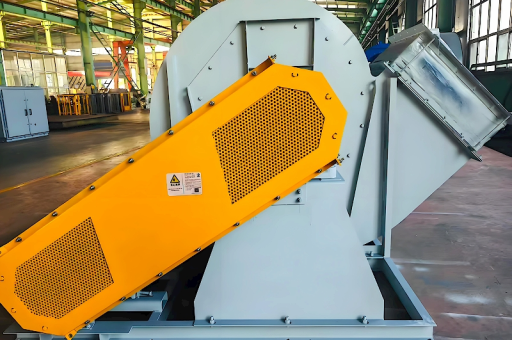
Table of Contents
- Introduction: What Are Centrifugal Dust Collector Fans?
- How Centrifugal Fans Work in Dust Collection Systems
- Key Design Features and Components
- Performance Metrics: Airflow, Static Pressure, and Efficiency
- Common Industrial Applications
- Centrifugal vs. Axial Fans: Which Is Better for Dust Collection?
- Maintenance and Troubleshooting Tips
- Frequently Asked Questions (FAQ)
- Conclusion: Optimizing Your Dust Collection with Centrifugal Fans
Introduction: What Are Centrifugal Dust Collector Fans?
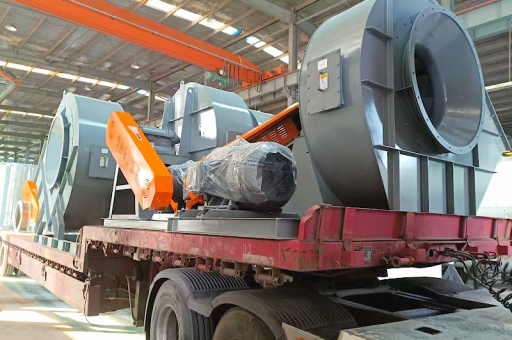
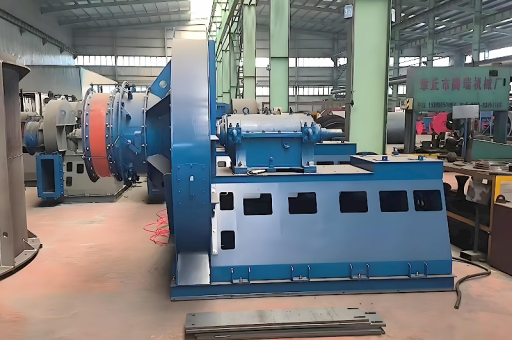
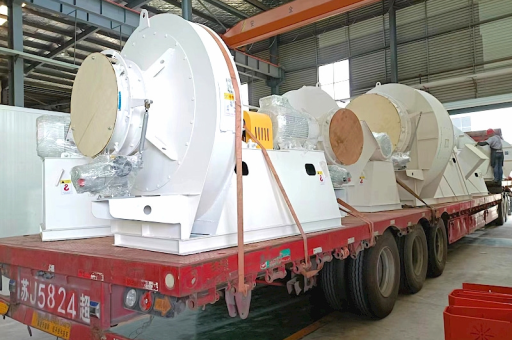
Centrifugal dust collector fans are at the heart of industrial air filtration and material handling systems. Unlike standard ventilation fans, these specialized units are engineered to move large volumes of air laden with dust, chips, fumes, or other particulate matter while generating the high static pressure needed to overcome the resistance of ducts, filters, and cyclone separators. In the context of modern manufacturing, especially in woodworking, metalworking, cement, and chemical processing, these fans serve as the critical force that captures airborne contaminants at the source and conveys them to a collection point.
A common search query — “Which fan type is best for a dust collector?” — typically leads back to centrifugal fans because of their unique ability to handle heavy debris without clogging. This guide draws on technical data from industrial ventilation standards (such as AMCA and ASHRAE) and real-world user experiences to deliver a comprehensive, SEO-friendly resource.
How Centrifugal Fans Work in Dust Collection Systems
Centrifugal fans operate on a simple principle: air enters the impeller axially (along the shaft), is spun outward by rotating blades, and is discharged radially at a right angle. This radial acceleration creates a pressure differential that draws dusty air from hoods, machines, or enclosures into the ductwork.
The fan’s impeller design is the key differentiator. In a dust collection system, the impeller typically features backward-inclined (BI) blades or radial-blade (RB) designs. Backward-inclined blades are more efficient for clean-air applications, while radial-blade impellers with heavy-duty construction are preferred for abrasive or sticky dust because they resist material buildup and wear. For extremely heavy materials like metal grinding dust, a radial-tip or paddle-wheel impeller is often used.
Answering the common question: How do I size a centrifugal fan for my dust collector? — Sizing depends on required airflow (CFM) at a given static pressure (SP). For example, a woodshop with a single 6-inch planer may need 800 CFM at 4–6 inches SP. You must also account for filter resistance, duct length, and number of branches.
Key Design Features and Components
A well-constructed centrifugal dust collector fan includes:
- Impeller: Typically welded steel with full shroud for strength. Some models offer cast-iron impellers for severe abrasion.
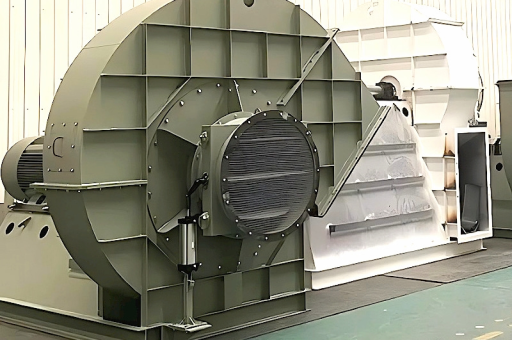
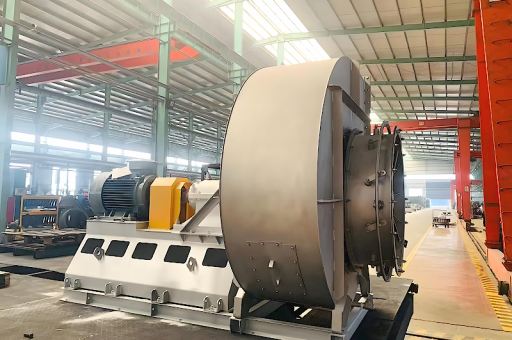
- Housing: Heavy-gauge steel or stainless steel with access doors for cleaning. Scroll-type housing ensures smooth air discharge.
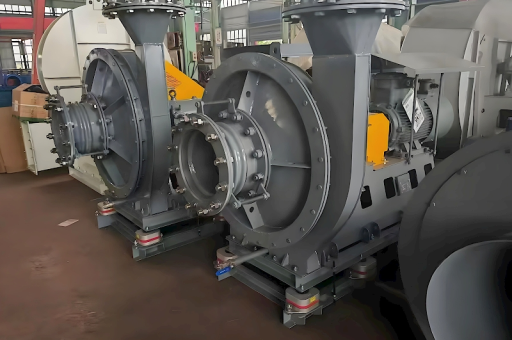
- Inlet and Outlet: Inlet is usually cone-shaped to accelerate air into the impeller. Outlet is rectangular or round, depending on duct connection.
- Motor and Drive: Direct drive is simple but limits speed control. Belt-driven fans allow motor speed and air performance adjustment.
- Bearings and Shaft: Must be sealed from dust ingress. Pillow-block bearings with grease fittings are common.
- Abrasion Lining: For heavy dust, fans may include replaceable wear plates inside the housing.
Did you know? Many industrial centrifugal fans used in dust collection are now offered with a wind turbine-inspired shroud design that reduces turbulence noise. While a true wind turbine generates power from wind, this terminology in the fan industry refers to the aerodynamic shaping of the fan housing to improve efficiency.
Performance Metrics: Airflow, Static Pressure, and Efficiency
The three core parameters for fan selection are:
- CFM (Cubic Feet per Minute): Volume of air moved.
- Static Pressure (SP): Resistance the fan must overcome (measured in inches of water gauge).
- Fan Efficiency: Typically expressed as brake horsepower (BHP) per CFM. A high-efficiency backward-inclined centrifugal fan can achieve 75–85% static efficiency.
It is critical to match fan performance to the system’s characteristic curve. Oversizing a fan wastes energy and money; undersizing results in poor dust capture. Modern variable-frequency drives (VFDs) are now commonly used to modulate fan speed, adapting to changing load demands.
Common search question: How much static pressure does a dust collector need? — For typical woodworking duct runs under 100 feet, 8–12 inches SP is sufficient. For long central systems with many branches and high-efficiency filters, 15–20 inches SP may be needed.
Common Industrial Applications
Centrifugal dust collector fans are ubiquitous in heavy industries:
- Woodworking: Collecting sawdust, sanding dust, and wood chips from CNC routers, table saws, and jointers.
- Metalworking: Conveying grinding sparks, metal shavings, and welding fume.
- Food Processing: Pneumatic conveying of flour, sugar, and grains.
- Cement and Mining: Moving abrasive rock dust and limestone fines.
- Pharmaceutical and Chemical: Handling toxic or explosive fine powders (must use spark-resistant or explosion-proof construction).
In many of these settings, the fan is integrated with a pre-separator (cyclone) or a baghouse filter. The wind turbine-like curved blades in some modern high-pressure fans reduce wear by pushing dust outward with less recirculation.
Centrifugal vs. Axial Fans: Which Is Better for Dust Collection?
This is a frequent comparison in engineering forums. Axial fans (e.g., tube fans) are low-pressure, high-volume units best for general ventilation. In contrast:
- Centrifugal fans produce higher static pressure – essential for pulling air through long ducts and filters.
- Centrifugal impellers are better at handling solid particles without blade erosion.
- Axial fans are smaller and lighter but often clog when dusty material hits the blades.
Verdict: For any dust collection system where duct length exceeds 10 feet or where filters are used, a centrifugal fan is the only reliable choice.
Maintenance and Troubleshooting Tips
To keep a centrifugal dust collector fan running efficiently:
- Balance the impeller annually: Imbalance causes vibration, bearing wear, and noise.
- Clean the housing: Accumulated dust inside the scroll reduces airflow and causes unbalance.
- Check belt tension on belt-driven fans: Loose belts slip, reducing RPM and performance.
- Inspect bearings and shaft seals: Replace worn bearings immediately to prevent catastrophic failure.
- Test static pressure and amperage: A drop in amperage indicates reduced airflow (clogged filters or ducts).
Typical issue: Fan runs but no suction? – Likely causes: blockage in inlet duct, impeller rotation direction reversed, or loose belt.
Frequently Asked Questions (FAQ)
Q: Can I use a centrifugal fan for clean air ventilation? Yes, but it is less efficient than an axial fan. Centrifugal fans are chosen for their pressure capability, not for free-air movement.
Q: Why does my dust collector fan vibrate? Common causes: impeller imbalance (dust build-up on blades), loose fan mounting, worn bearings, or misaligned drive.
Q: Are centrifugal dust collector fans noisy? They are louder than axial fans at the same airflow, but noise can be reduced by installing a wind turbine-style inlet silencer or using a heavily insulated housing.
Q: What material is best for a dust collector fan housing? Mild steel for moderate dust with abrasive lining for heavy use. Stainless steel or aluminum for corrosive dust (e.g., fertilizer, chemicals).
Conclusion: Optimizing Your Dust Collection with Centrifugal Fans
Centrifugal dust collector fans are non-negotiable for industrial environments where air quality, safety, and operational reliability matter. By selecting the correct blade design, sizing to system resistance, and performing regular maintenance, you can reduce energy costs, minimize downtime, and meet OSHA compliance for airborne particulate. Whether you are outfitting a small cabinet shop or a large manufacturing plant, investing in a quality centrifugal fan — such as a heavy-duty radial-blade model — is the most intelligent long-term decision.
Final thought: The adoption of wind turbine-inspired aerodynamic designs in some premium fan housings is a promising trend that lowers noise and improves flow path, but always prioritize rated CFM and SP over marketing terminology. For answers specific to your system, consult an airflow engineer or use a fan selection software based on your exact ductwork layout.