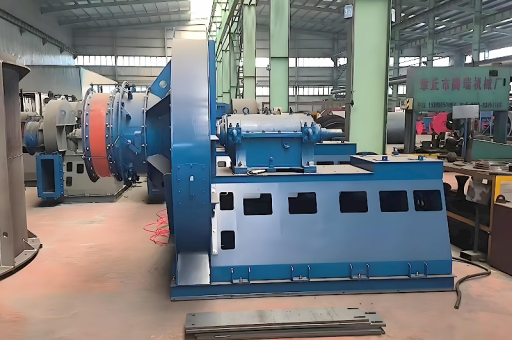
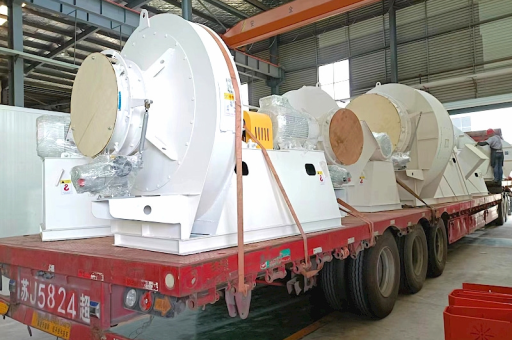
This article's table of contents introduction:
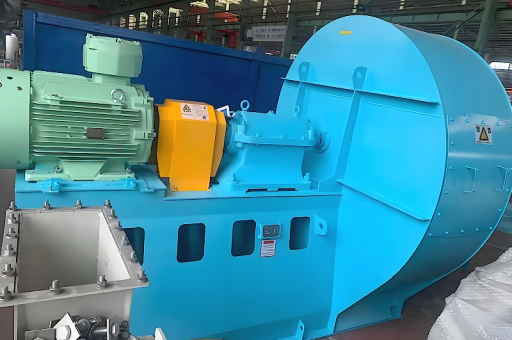
- Table of Contents
- Introduction: The Critical Role of Specialized Fans
- What Are Explosion-Proof Corrosion-Resistant Fans?
- Key Design Principles and Material Science
- Major Application Industries
- Performance Parameters and Selection Criteria
- Maintenance and Lifecycle Management
- Frequently Asked Questions (FAQs)
- Conclusion
The Ultimate Guide to Explosion-Proof Corrosion-Resistant Fans: Design, Applications, and Industry FAQs
Table of Contents
- Introduction: The Critical Role of Specialized Fans
- What Are Explosion-Proof Corrosion-Resistant Fans?
- Key Design Principles and Material Science
- 1 Explosion-Proof Mechanisms (ATEX, IECEx, NEC)
- 2 Corrosion Resistance Strategies (Coatings, Alloys, Composites)
- Major Application Industries
- 1 Chemical and Petrochemical Plants
- 2 Offshore and Maritime (Including wind turbine platforms)
- 3 Wastewater Treatment and Mining
- Performance Parameters and Selection Criteria
- Maintenance and Lifecycle Management
- Frequently Asked Questions (FAQs)
- Conclusion
Introduction: The Critical Role of Specialized Fans
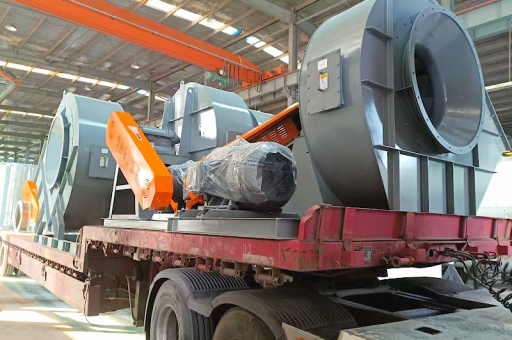
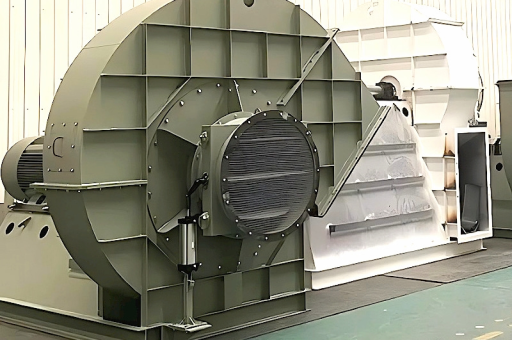
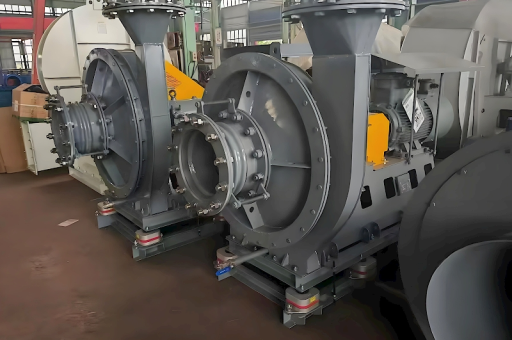
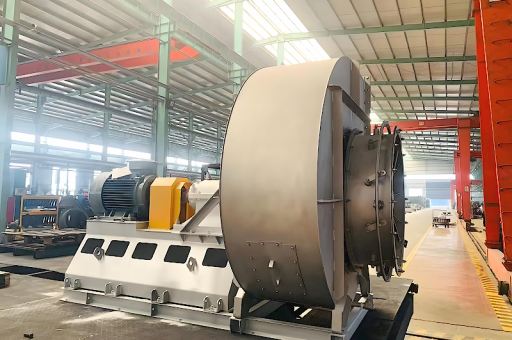
In hazardous industrial environments, standard ventilation equipment is a liability. When volatile gases, corrosive vapors, or combustible dust are present, a single spark can trigger catastrophic consequences. This is where Explosion-proof corrosion-resistant fans become indispensable. These highly specialized machines are engineered to operate safely under extreme conditions—handling everything from acidic fumes in chemical plants to salt-laden air on offshore wind turbine platforms.
Unlike general-purpose fans, these units are certified to prevent ignition sources (sparks, overheating) while simultaneously surviving chemical attack. This article distills the latest technical standards, material innovations, and selection strategies to help engineers and procurement professionals make informed decisions.
What Are Explosion-Proof Corrosion-Resistant Fans?
An explosion-proof fan is designed so that it cannot ignite a surrounding flammable atmosphere. A corrosion-resistant fan is built to withstand chemical degradation. When combined, they form a single class of equipment that is essential for Zone 1 (gas) and Zone 21 (dust) hazardous areas.
Core certifications to know:
- ATEX (EU): Directive 2014/34/EU for equipment in explosive atmospheres.
- IECEx (International): Globally recognized certification scheme.
- NEC 500 / 505 (USA): Class I (gases) and Class II (dusts) divisions.
A fan bearing both explosion-proof and corrosion-resistant ratings typically uses non-sparking construction (bronze/aluminum impellers), sealed bearings, and epoxy or PVDF coatings to protect against aggressive media like chlorine, sulfuric acid, or hydrogen sulfide.
Key Design Principles and Material Science
1 Explosion-Proof Mechanisms
The primary danger in hazardous zones is frictional, impact, or electrical sparking. Explosion-proof fans address this through:
- Non-sparking impellers: Made from aluminum bronze, stainless steel, or engineered polymers.
- Enclosed motors: TEFC (Totally Enclosed Fan Cooled) with sealed conduit boxes to prevent gas ingress.
- Thermal protection: Sensors that cut power if bearing temperature exceeds safe thresholds.
- Grounding systems: To prevent static electricity buildup.
Standards require that if an internal explosion occurs (e.g., due to gas entering the motor housing), the flame path is long enough to cool gases before they reach the external atmosphere. This is the "flameproof" concept (Ex d).
2 Corrosion Resistance Strategies
Corrosion failure can weaken structural integrity, creating ignition risks (e.g., a rusted bolt snapping and sparking). Key strategies include:
| Material/Coating | Application | Pros | Cons |
|---|---|---|---|
| 316L Stainless Steel | Impellers, housings | Excellent chemical resistance | Heavy, expensive |
| Fiberglass Reinforced Plastic (FRP) | Housings, ducting | Lightweight, immune to acid | Limited temperature range |
| Epoxy Powder Coating | Fan shells | Cost-effective barrier | Can chip under impact |
| PVDF (Kynar®) | Impellers for acid gas | Extreme corrosion resistance | Very high cost |
| Halar® ECTFE | Internal linings | Good for mixed acid/alkali | Requires skilled application |
For example, in a wind turbine nacelle cooling system located offshore, engineers specify an FRP housing with a Hastelloy impeller to resist salt fog and corrosion from marine diesel engines.
Major Application Industries
1 Chemical and Petrochemical Plants
Centrifugal fans with dynamically balanced stainless steel impellers are used to exhaust toxic chlorine or ammonia. They must operate continuously without corrosion pitting, which could unbalance the rotor.
Real-world note: A major refinery in Texas replaced carbon steel fans with ATEX-certified FRP units, extending service life from 2 years to 8 years.
2 Offshore and Maritime (Including wind turbine platforms)
Offshore environments combine explosive hydrogen from battery rooms with salt spray. On a wind turbine offshore substation, explosion-proof corrosion-resistant fans ventilate the transformer and switchgear rooms. Here, IP66 motor enclosures and nickel-aluminum-bronze (NAB) impellers are common.
3 Wastewater Treatment and Mining
Sewage treatment plants generate explosive methane and hydrogen sulfide, both corrosive. Axial flow fans with 304L stainless steel blades and epoxy-coated casing are typical. In mines, dust-proof designs with wash-down capabilities are prioritized.
Performance Parameters and Selection Criteria
Choosing the right fan involves balancing safety, durability, and efficiency. Key parameters:
- Airflow (CFM / m³/h): Required to dilute hazardous gas below 25% LEL.
- Static Pressure (in. wg / Pa): Must overcome duct losses and filters.
- Material Compatibility: Must resist the specific chemical(s) at operating temperature.
- Temperature Class (T1-T6): Fan surface must not exceed the auto-ignition temperature of surrounding gas.
- Certification Zone: Ensure fan is rated for Zone 1, Zone 2, or Division 1.
Selection Tip: Always account for corrosion allowance—choose a material that will lose less than 0.5 mm of thickness per year under the worst-case chemical concentration.
Maintenance and Lifecycle Management
Even the best explosion-proof corrosion-resistant fan will fail if maintenance is neglected.
- Routine checks: Vibration analysis (for early bearing wear), visual inspection for coating damage, and fastening torque verification.
- Bearing maintenance: Use sealed, lithium-complex grease; relubrication intervals must comply with motor manufacturer specs.
- Cleaning: Do NOT use wire brushes on coated surfaces. Use solvent/detergent and soft cloth.
- Record keeping: Maintain logs of impedance grounding tests and thermal sensor calibration.
Critical point: In wind turbine nacelles, accessibility is difficult. Many operators install remote monitoring (vibration, temperature, current) to prioritize onsite visits.
Frequently Asked Questions (FAQs)
Q1: Can I use a standard corrosion-resistant fan in an explosive atmosphere? A: No. A corrosion-resistant fan without spark-proof construction can still ignite gases. Certification labels (ATEX, IECEx) must be visible. Never substitute.
Q2: How do I verify that a fan is truly corrosion-resistant for my application? A: Request a chemical compatibility chart from the manufacturer. Immersion tests in a sample coupon at operating temperature provide the most reliable proof.
Q3: What is the difference between a direct drive and belt-driven explosion-proof fan? A: Direct drive eliminates belts (a potential static source), but motor is in the airstream. Belt-driven allows the motor to be outside the airstream, but belts must be anti-static.
Q4: Does a fan on a wind turbine need explosion-proof rating? A: Yes, if the turbine houses batteries, hydrogen from electrolysis, or flammable lubricants. Many offshore wind turbine platforms have ATEX Zone 2 areas for the switchgear.
Q5: How often should I replace the impeller in a corrosive environment? A: When thickness measurements show wear beyond 70% of original. For FRP, look for delamination or resin burning.
Conclusion
Explosion-proof corrosion-resistant fans are not just hardware—they are a safety-critical investment. Selecting the wrong material or ignoring certification can lead to catastrophic failure, production downtime, and loss of life. By understanding the interplay of material science (FRP vs. Hastelloy), explosion-proof design (Ex d vs. Ex e), and application-specific demands (e.g., offshore wind turbine environments), engineers can specify fans that provide decades of reliable, safe service.
Always partner with certified manufacturers who provide full technical documentation—including material test reports and third-party certification copies. In hazardous zones, compromise is not an option.
Keywords: explosion-proof fan, corrosion resistant fan, ATEX certified fan, hazardous area ventilation, wind turbine cooling, chemical industry fan, IECEx fan, spark-proof impeller.