This article's table of contents introduction:
- What Are They?
- When Are They Needed?
- Key Materials of Construction
- Critical Design Features
- Types of Acid/Alkali Resistant Fans
- Performance & Selection
- Safety Considerations
- Manufacturers (Examples)
- Maintenance
- Summary Decision Tree
Here is a comprehensive guide to acid and alkali resistant fans, also known as corrosion-resistant fans or fume extractors.
These are specialized industrial fans designed to handle corrosive air streams, fumes, and gases without degrading or failing.
What Are They?
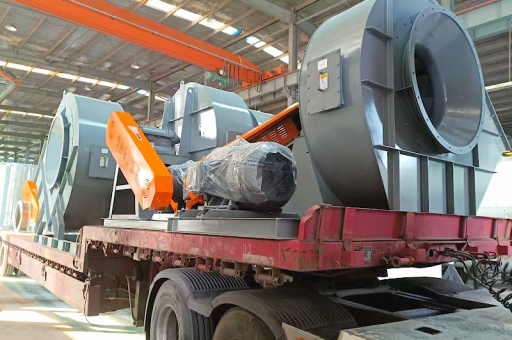
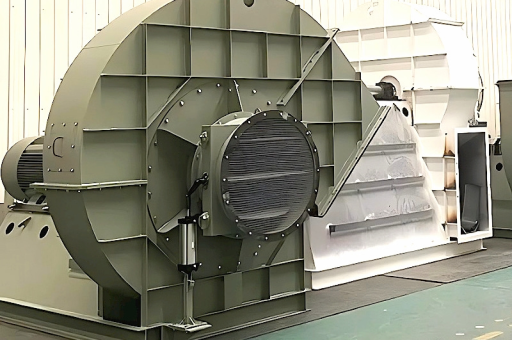
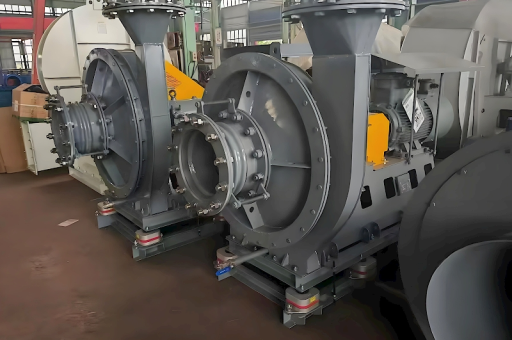
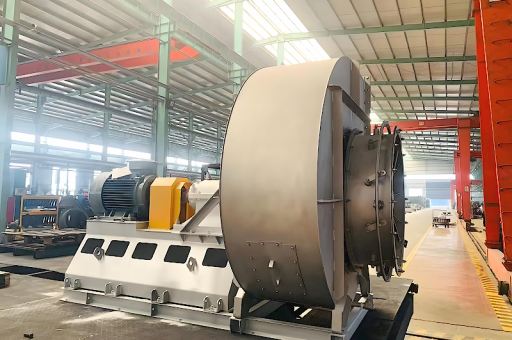
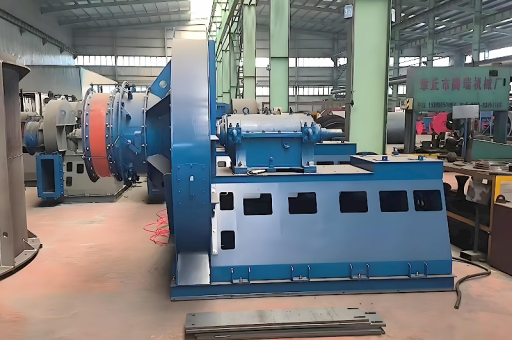
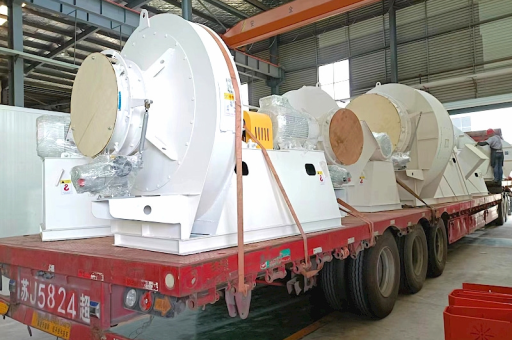
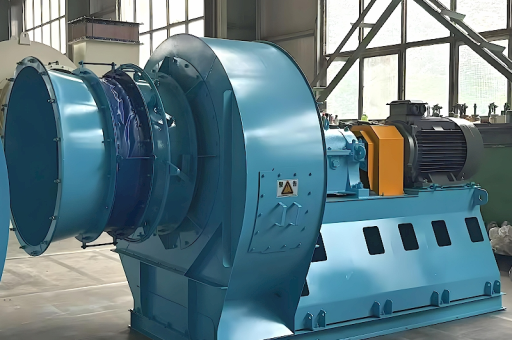
Acid and alkali resistant fans are centrifugal or axial fans constructed from materials that can withstand chemical attack. They are used in environments where standard fans made of carbon steel or aluminum would rapidly corrode, leading to imbalance, mechanical failure, and safety hazards.
When Are They Needed?
- Chemical Processing: Handling HCl, H₂SO₄, HNO₃, NaOH, or other aggressive chemical vapors.
- Metal Finishing & Plating: Exhausting fumes from chrome plating, anodizing, and acid etching baths.
- Semiconductor & Electronics: Removing corrosive gases (e.g., HF, Cl₂) from cleanroom scrubbers and manufacturing.
- Laboratories: Fume hood exhaust systems.
- Wastewater Treatment: Exhausting hydrogen sulfide (H₂S), chlorine gas, or biogenic acid gases.
- Pharmaceuticals & Biotechnology: Handling volatile solvents and corrosive byproducts.
- Mining & Refining: Exhausting acidic or alkaline fumes from processing steps.
Key Materials of Construction
The material choice is the most critical factor. Options range from coated metals to fully engineered plastics.
| Material | Typical Applications | Resistance Level | Cost | Notes |
|---|---|---|---|---|
| Fiberglass (FRP) | Strong acids (HCl, H₂SO₄), some alkalis | High (Acids) / Moderate (Alkalis) | Medium | Most common. Must use chemical-resistant resin (e.g., Vinyl Ester, Bisphenol A). Not for high-temp strong alkalis. |
| Polypropylene (PP) | Most acids & alkalis (up to ~80°C) | High | Low | Excellent for wet, corrosive scrubbing. Good for plating and lab exhaust. |
| PVDF (Polyvinylidene Fluoride) | Highly aggressive chemicals, high purity (Semiconductor) | Very High | High | Excellent thermal stability (up to ~140°C). Resistant to halogens (Cl₂, F₂). |
| Stainless Steel (304/316) | Mild acids (e.g., acetic), wet chlorine (316L) | Moderate | Medium | Not for concentrated HCl or H₂SO4. Better for mild to moderate environments. 316L has better pitting resistance. |
| Steel with Rubber Lining | Very aggressive & abrasive slurries/gases | Very High | High | Steel provides strength; rubber lining protects from corrosion/abrasion. Heavy. |
| Hastelloy / Inconel | Extreme temperatures & highly aggressive chemicals | Very High | Very High | For niche, high-temperature, high-pressure corrosive gas applications (e.g., incinerators). |
| Coated Steel (Epoxy/Phenolic) | Low-cost, mild environments | Low | Low | Coating can fail if scratched; not for continuous or high-temperature exposure. Unreliable for serious chemical duty. |
Best All-Around Choices:
- For most acid/alkali fumes: FRP (Fiberglass Reinforced Plastic) or Polypropylene.
- For high-temperature or extremely aggressive chemicals: PVDF or Stainless Steel 316L (with careful chemical compatibility check).
Critical Design Features
- Impeller Design: Open or semi-open impellers are often preferred to prevent buildup and clogging. The impeller must be made of the same corrosion-resistant material.
- Seals & Bearings: Bearings must be isolated from the corrosive air stream using shaft seals, labyrinth seals, or flushed seal housings.
- Drainage: If handling condensate, the housing must have a properly positioned drain at the lowest point.
- Spark Resistance (if needed): For handling flammable corrosive gases, spark-proof construction (e.g., non-ferrous impeller, conductive materials) is required.
- Motor Protection: The motor should be located outside the airstream (belt-driven) or be a totally enclosed fan-cooled (TEFC) / explosion-proof motor if mounted in-line.
Types of Acid/Alkali Resistant Fans
| Type | Description | Best For |
|---|---|---|
| Centrifugal (Radial) | High static pressure; handles ductwork resistance. | Fume hoods, scrubbers, chemical processing. |
| Axial (Propeller) | Low static pressure; moves large air volumes. | General ventilating of large rooms with corrosive fumes. |
| Inline (Mixed Flow) | Medium pressure; space-saving duct mounting. | General exhaust where duct is straight. |
| High-Pressure Blowers | Very high static pressure; for long duct runs or high-resistance scrubbers. | Industrial scrubbers, conveying corrosive dust. |
Performance & Selection
When selecting a fan, you need:
- Airflow (CFM / m³/h): Volume of air to move.
- Static Pressure (in. wg / Pa): Resistance from ducts, filters, scrubbers, etc.
- Gas Composition & Temperature: Crucial for material selection. What chemicals? What concentration? What temperature (highest possible)?
- Spark/Explosion Rating: Is the gas or particulate flammable/explosive? (Look for ATEX/IECEx or UL/CSA ratings).
- Mounting & Drive: Belt-driven (adjustable speed) vs. Direct-drive (fixed speed, fewer parts).
- Noise Limits: May require silencers or low-speed operation.
Safety Considerations
- Toxic & Flammable Gases: The fan must be spark-resistant if the gas is flammable. Explosion-proof motors and grounding are mandatory.
- Fugitive Emissions: Seals must prevent chemical leaks, especially for toxic or odorous gases. (e.g., double mechanical seals, gas-purged seals).
- Static Discharge: FRP and plastic materials can be static generators, especially with dry air / particulate. Grounding is critical for safety. Use conductive resin or carbon black in FRP.
- High Temperatures: The fan material's maximum operating temperature (e.g., PP = 80°C, PVDF = 140°C, FRP = 100-120°C) must never be exceeded, or it will warp and fail.
Manufacturers (Examples)
- Greenheck (USA): Fiberglass and stainless steel industrial fans.
- New York Blower (USA): High-performance corrosion-resistant centrifugal fans (FRP, stainless).
- Cincinnati Fan (USA): FRP and plastic fans for chemical and plating.
- DualCorr/Blower-Dual (USA): Specializing in PVC, Polypro, and FRP fume exhausters.
- Plastic Ventilation Equipment (PVE, UK): Polypropylene centrifugals for lab/chemical.
- AirPro Fan & Blower (USA): Custom FRP and coated steel fans.
Maintenance
- Regular Visual Inspection: Check for cracks in plastic/FRP, pitting or rust on metals.
- Check Balance: Corrosion buildup on the impeller causes imbalance, leading to bearing failure.
- Inspect Seals & Bearings: Lubricate as per manufacturer (if not sealed). Listen for unusual noise.
- Check Drainage: Ensure drains are clear to prevent liquid pooling and corrosion.
- Belt Tension (if belt-driven): Check and adjust regularly.
Summary Decision Tree
- What chemical(s)? -> Determine concentration & temperature.
- What temperature range? -> <80°C: PP or FRP. 80-140°C: PVDF or high-temp FRP. >140°C: Stainless Steel 316L or Hastelloy.
- What pressure required? -> Low: Axial. Medium/High: Centrifugal.
- Any spark/explosion hazard? -> Yes: Spark-resistant construction + explosion-proof motor + grounding.
- Budget? -> PP < FRP < Stainless Steel < PVDF < Hastelloy.
Recommendation: For 95% of general acid/alkali fume handling, FRP (with vinyl ester or bisphenol resin) or Polypropylene centrifugal fans are the industry standard. Always confirm chemical compatibility with the manufacturer's chemical resistance chart before purchasing.