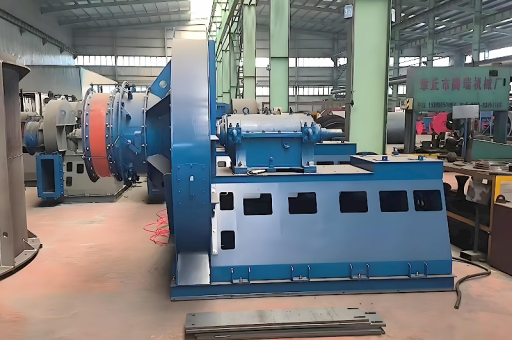
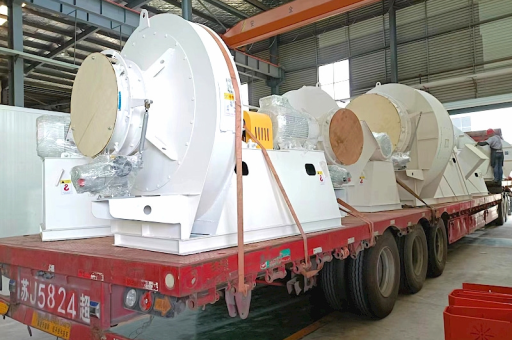
This article's table of contents introduction:
- Why Standard Fans Fail
- Key Materials of Construction
- Critical Design Features for Corrosion Resistance
- Types of Coatings (For Steel Fans)
- Common Applications & Industry Use Cases
- How to Select the Right Fan (Checklist)
- Maintenance Tips for Longevity
- Reputable Manufacturers
- Summary Table (Quick Comparison)
This is a comprehensive guide to Corrosion Resistant Centrifugal Fans. These are critical components in industries where the air or gas stream contains moisture, acids, alkalis, salt, or other corrosive chemicals.
If you are looking for a summary: The key to a corrosion-resistant fan is the material of construction (FRP, PP, Stainless Steel 316L, or coated steel) and the type of seal/impeller design suited to your specific chemical environment.
Here is a deep dive into everything you need to know.
Why Standard Fans Fail
Standard centrifugal fans (typically made of carbon steel or galvanized steel) will fail quickly in corrosive environments due to:
- Oxidation (Rust): Moisture + oxygen.
- Chemical Attack: Acidic or alkaline gases dissolving the metal.
- Pitting/Stress Corrosion: Localized damage that leads to imbalance and vibration.
- Spark Risk: Corroded steel can create sparks (dangerous in flammable environments).
Key Materials of Construction
The choice of material depends on the chemical concentration, temperature, and abrasive content.
| Material | Best For | Limitations | Cost |
|---|---|---|---|
| FRP (Fiber-Reinforced Plastic) | High humidity, salt spray, acids (H2SO4, HCl), bleach, wastewater. | Max temp ~180°F (82°C). Not for strong solvents. | Medium |
| Polypropylene (PP) / PVC | Fume hoods, plating fumes, low-temp acids and bases. | Max temp ~180°F (PP) / 140°F (PVC). Brittle in cold. | Low-Medium |
| Stainless Steel 316/316L | Chlorides, seawater, high-temp acidic fumes, pharmaceutical. | Expensive. 304 SS fails in chlorides. | High |
| Hastelloy® / Duplex SS | Extremely aggressive chemicals (wet chlorine, hot HCl). | Very expensive. Used for harsh chemical plants. | Very High |
| Rubber-Lined Steel | Slurries, abrasion + corrosion (e.g., mining, scrubbing). | Lining can delaminate if not cured properly. | High |
Pro Tip: FRP is often the "gold standard" for general industrial corrosion resistance because it is completely inert (no metal to corrode) and lightweight.
Critical Design Features for Corrosion Resistance
A fan is more than just the housing. These components must also be protected:
- Impeller:
- Open Radial Blade: Best for sticky or particulate-laden corrosive air (self-cleaning).
- Backward Curved (FRP or Coated): High efficiency, used for clean corrosive air.
- Shaft:
- Must be sealed from the gas stream (often enclosed in a shaft sleeve made of Hastelloy or FRP).
- Shaft Seal: A critical wear item. Options include:
- Labyrinth Seal: Non-contact, low maintenance.
- Mechanical Seal: Best for toxic or valuable gases (zero leakage).
- Flush Seal: External clean liquid washes the seal face.
- Housing:
- Drain Plug: Essential to prevent liquid pooling and pitting at the bottom.
- Mounting:
- Baseplate: Must be coated or stainless. Standard steel bases rot quickly from moisture dripping.
- Isolators/Springs: Should be stainless or galvanized.
Types of Coatings (For Steel Fans)
If you must use steel (due to high pressure or temperature), coatings are essential:
| Coating | Characteristics | Application |
|---|---|---|
| Epoxy (e.g., U.S. Paint, Sikagard) | Hard, chemical resistant. Good up to 250°F. | General chemical duty. |
| Vinyl Ester | Very good for acids and bleaches. | Pulp & paper, chemical plants. |
| PTFE (Teflon) | Non-stick, inert, excellent for pure chemicals. | Pharmaceutical, semi-conductor. |
| Rubber (Neoprene/Hypalon) | Flexible, good abrasion + corrosion. | Scrubbers, slurry handling. |
Note: Coatings are only as good as the surface preparation. Improper blast cleaning leads to coating failure.
Common Applications & Industry Use Cases
| Industry | Typical Gas/Vapor | Fan Material Required |
|---|---|---|
| Wastewater Treatment | H2S (hydrogen sulfide), chlorine, moisture | FRP or 316L SS |
| Chemical Processing | HCl, H2SO4, NaOH fumes | FRP, PP, or Hastelloy |
| Metal Plating | Chromic acid, nitric acid | PP or PVC (low temp) |
| Fume Hoods (Lab) | Mixed solvents, acids | PP, PVC, or CPVC |
| Marine/Offshore | Salt spray (NaCl) | 316L SS (marine grade) or FRP |
| Power Generation | Flue gas desulfurization (FGD) | High-alloy steel + rubber lining |
| Mineral Processing | Dust + moisture + acids | FRP or abrasion-resistant rubber |
How to Select the Right Fan (Checklist)
Don't just buy a "corrosion-resistant fan." Ask these questions:
- Chemical Composition: What specific chemicals? What concentration (e.g., 10% H2SO4 vs. 98% H2SO4)?
- Temperature: Is the gas hot? FRP fails above 200°F.
- Moisture: Is it saturated (100% RH)? Will there be condensation in the housing?
- Particulates: Is there dust or droplets? This determines if you need a self-cleaning impeller.
- Location: Indoor or outdoor? (UV degradation of FRP). Salt spray coastal?
- Static Pressure: FRP is lighter; high pressure may require steel with a heavy duty coating.
Maintenance Tips for Longevity
- Drain the housing: Always open the drain after shutdown to remove acidic condensate.
- Inspect the shaft seal: Replace before it leaks.
- Lubrication: Use corrosion-resistant grease (e.g., PTFE-laced) for bearings.
- Balance check: Corrosion on one blade tip causes imbalance; rebalance periodically.
- Washdown: For salt or dust, spray the impeller with fresh water during shut down (if safe for the motor).
Reputable Manufacturers
- New York Blower (NYB) - Heavy industrial, many linings and alloys.
- Greenheck - Good for commercial/light industrial FRP fans.
- Cincinnati Fan - FRP and PVC fans for fume exhaust.
- Ventilatorenfabrik Oelde (Ventiva) - German heavy-duty FRP.
- AirPro Fan Blower Co. - Custom corrosion-resistant fans.
- Howden - High-temp, high-pressure, "Buffalo" type fans.
Summary Table (Quick Comparison)
| Feature | Standard Steel Fan | Corrosion Resistant Fan (FRP) | Corrosion Resistant (316L SS) |
|---|---|---|---|
| Cost | Low | Medium | High |
| Lifespan in Corrosion | < 1 year | 10-15+ years | 5-10+ years |
| Max Temp | 400°F+ | 180°F | 800°F+ |
| Spark Resistance | No (rust sparks) | Yes (non-metallic) | No (but non-rusting) |
| Weight | Heavy | Light | Heavy |
| Ease of Repair | Weldable | Requires specialist | Requires specialist |
Final Recommendation: If the temperature is below 180°F and the environment is corrosive (acids, salts, high humidity), choose a solid FRP (Fiberglass) fan. If temperature is high or pressure is extremely high, choose Stainless Steel 316L or a coated steel fan with a proven lining system.