This article's table of contents introduction:
- Why Standard Fans Won't Work in Labs
- Key Materials for Corrosion Resistance
- Types of Laboratory Corrosion-Resistant Fans
- Critical Features & Selection Criteria
- Top Manufacturers (Industry Standard)
- Installation & Maintenance Tips
- Quick Recommendation Matrix
Here is a comprehensive guide to laboratory corrosion-resistant fans, covering why they are needed, common materials, types, and key selection criteria.
Why Standard Fans Won't Work in Labs
Standard industrial fans (made of painted steel or aluminum) will rapidly fail in a laboratory environment due to:
- Chemical Attack: Acid fumes (HCl, HNO3, H2SO4), alkaline vapors (NaOH, KOH), and organic solvents (acetone, xylene) corrode metal.
- Heat & Humidity: Autoclaves, ovens, and hot plates create high temperatures and humidity that accelerate rust.
- Static Discharge: Moving flammable solvent vapors requires spark-proof construction.
- Contamination: Rust particles or off-gassing from the fan material can contaminate sensitive experiments.
Key Materials for Corrosion Resistance
The choice of material depends on the specific chemicals present.
| Material | Best For | Limitations |
|---|---|---|
| Polypropylene (PP) | General acid & alkali fume hoods, wet labs. Excellent resistance to most acids, bases, and salts. | Not suitable for strong oxidizing acids (e.g., concentrated Nitric, Sulphuric) or aromatic solvents. |
| PVDF (Polyvinylidene Fluoride) | Aggressive chemicals, halogens, strong oxidizers. The gold standard for high-purity and harsh chemical handling. | Very expensive. Lower structural strength than PP. |
| FRP (Fiberglass Reinforced Plastic) | Large duct systems, scrubbers, high heat. Good all-round chemical resistance. | Can be brittle; not for flammable solvents. |
| Stainless Steel (316L) | Clean rooms, biological labs, electronics labs. Resists water, humidity, and mild chemicals. | Poor resistance to chlorides (HCl, bleach). Can be passivated but will corrode. |
| PVC (Polyvinyl Chloride) | Low-cost, low-temperature acid ducts. | Brittle, low max temp (140°F / 60°C), not for solvents. |
Types of Laboratory Corrosion-Resistant Fans
| Type | Construction | Best Use Case |
|---|---|---|
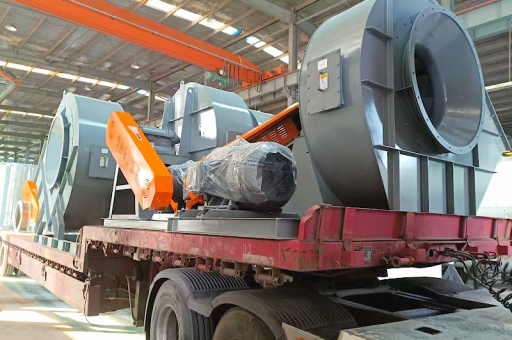
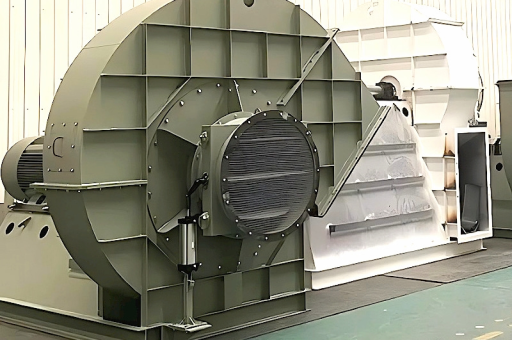
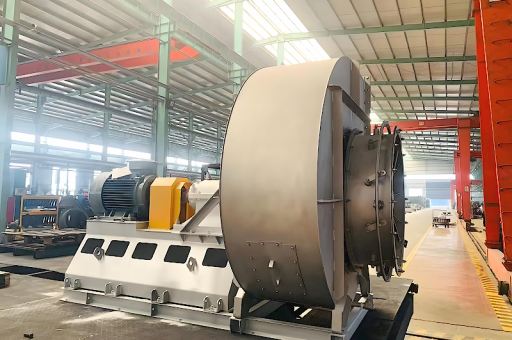
| Centrifugal (Squirrel Cage) | Impeller in a scroll housing. High static pressure. | Fume hoods (ducting long runs), scrubbers, high-static systems. |
| Inline Duct (Mixed Flow) | Built into a duct run. Compact, quieter. | General lab ventilation, smaller fume hoods, clean rooms. |
| Vaneaxial / Tubeaxial | Propeller inside a tube. High airflow, low pressure. | General room exhaust (non-ducted), push-pull tunnels. |
| Bilge / Utility Blowers | Low pressure, high volume. | Portable exhaust for temporary setups, flammable cabinets. |
Critical Features & Selection Criteria
-
Motor Location (Crucial)
- Direct Drive: Motor is in the airstream. Requires a chemically sealed motor (TEFC – Totally Enclosed Fan Cooled) or an air-over motor.
- Belt Drive: Motor is outside the airstream. Preferred for labs – allows you to use a standard, explosion-proof motor while only the fan housing and impeller contact the fumes. More expensive but longer-lasting.
-
Explosion-Proof Rating
- Required if storing/using flammable liquids (alcohols, ethers, acetonitrile).
- Look for: ATEX (Europe) or UL/CSA Class I, Division 1 or 2 (US/Canada).
- Requires spark-proof impellers (non-ferrous, plastic, or coated aluminum) and a motor completely sealed to prevent sparks.
-
Static Pressure & Airflow
- Fume Hoods: Need high pressure (2"-6" w.g.) to overcome duct resistance.
- Room Exhaust: High volume (CFM), low pressure (0.5"-1.5" w.g.)
- Variable Speed Drives (VFD): Essential for labs to balance airflow and save energy.
-
Temperature Rating
- Standard PP fans: max ~ 180°F (80°C).
- Standard PVDF fans: max ~ 280°F (140°C).
- Standard FRP fans: max ~ 200°F (93°C). Special resins can go higher.
- High-temp lab ovens often use stainless steel with a heat shield or a remote-mounted motor.
Top Manufacturers (Industry Standard)
- Greenheck: (US) High-quality centrifugal and inline fans; good chemical-resistant options.
- Soler & Palau (S&P): (Spain/US) Excellent range of R & D-lab specific polypropylene inline fans (e.g., TD Silent series with chemical resistant versions).
- Continental Fan: (US/Canada) Specializes in corrosion-resistant inline fans; very reliable.
- Plasticair: (Canada) Heavy-duty FRP and polypropylene centrifugal fans for chemical scrubbers.
- Cincinnati Fan: (US) Offers corrosion-resistant coatings & impellers.
- Myson / Nu-Air: (UK) Good for fume cupboards and lab extraction.
Installation & Maintenance Tips
- Duct Material: Use polypropylene, PVC, or FRP ducts. Avoid galvanized steel – it will fail.
- Drainage: Install a drain petcock at the lowest point of the fan housing to remove condensed acids.
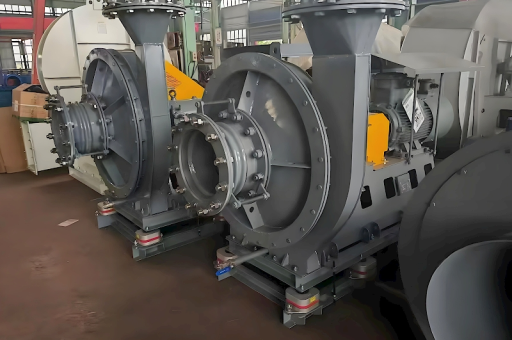
- Isolation: Mount the fan on vibration isolators to reduce lab noise.
- Gaskets: Ensure all flanges have EPDM (ethylene propylene diene monomer) or Viton gaskets (not silicone if solvents are present).
- Regular Inspection: Check the impeller for chemical pitting, balance, and clean the motor cooling fins.
Quick Recommendation Matrix
| Application | Recommended Fan Type | Material |
|---|---|---|
| Standard Acid Fume Hood | Belt-drive Centrifugal | Polypropylene (PP) |
| Solvent / Flammable Fume Hood | Belt-drive Explosion-proof | PP or 316L SS |
| Perchloric Acid Hood (high corrosivity) | PVDF (no metal contact) | PVDF |
| Cleanroom / Biological Safety | Direct-drive, HEPA-filtered | 316L SS or PP |
| Hot Chemical Process (200°F+) | High-temp Centrifugal (VFD) | FRP or 316L SS |
Final advice: For any lab application, always oversize the fan slightly (by 20-30%) and run it on a Variable Speed Drive (VFD). This allows you to adjust airflow to account for dirty filters, duct resistance changes, and future workload increases—all while maintaining corrosion resistance.