This article's table of contents introduction:
- Core Application: What is Acid Mist?
- Key Design Features (How they differ from standard fans)
- How to Select the Right Fan
- Types of Fans Used
- Example Applications
- Problems & Maintenance
- Summary Recommendation
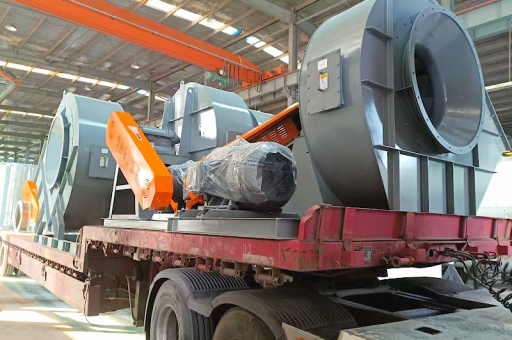
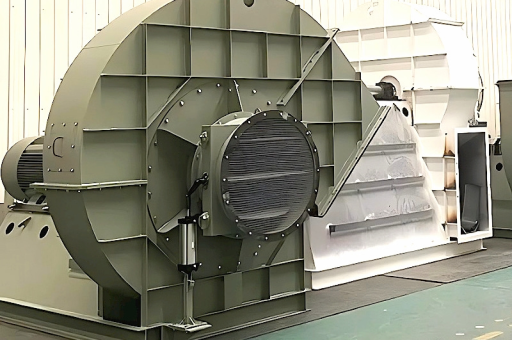
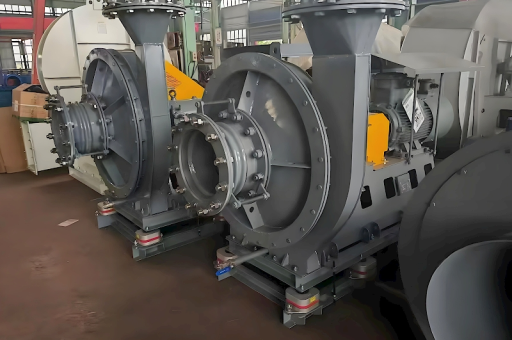
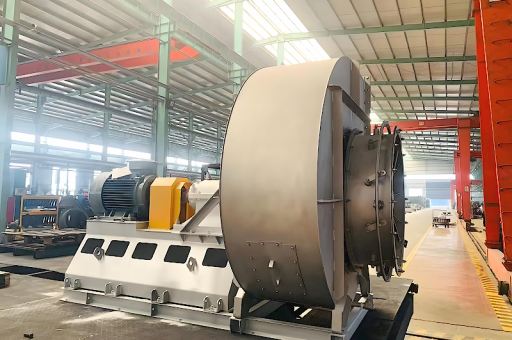
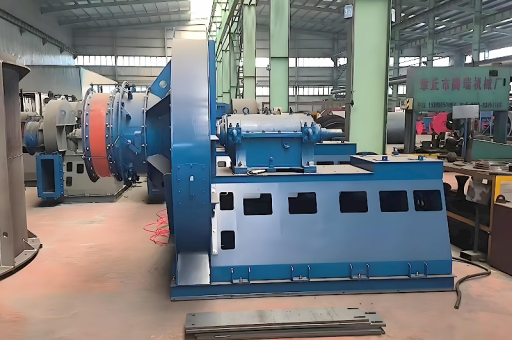
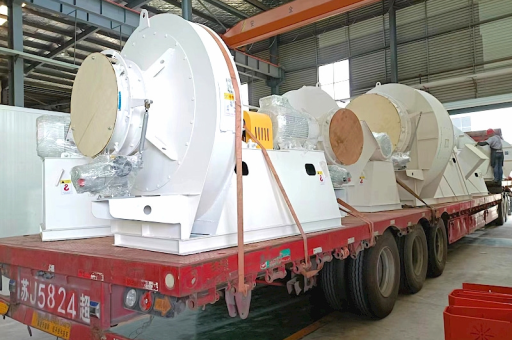
The term "Acid Mist Purification Fan" generally refers to a corrosion-resistant centrifugal fan (exhauster) used in industrial applications to move air laden with corrosive acid mists through a scrubbing or filtration system.
These fans are critical components in wet scrubber systems, fume hoods, and exhaust systems where acidic vapors (from processes like electroplating, metal pickling, battery manufacturing, or chemical processing) must be captured and treated before release.
Here is a detailed breakdown of what these fans are, their key design features, and how they are selected.
Core Application: What is Acid Mist?
Acid mist is not typical vapor; it consists of tiny liquid droplets (aerosols) of strong acids (Sulfuric acid, Hydrochloric acid, Nitric acid, Hydrofluoric acid) suspended in an air stream. These droplets are highly corrosive and can be extremely damaging to standard fans (made of carbon steel or aluminum).
The Fan's Role:
- Pulling: Creates negative pressure to capture fumes from tanks or processes.
- Pushing: Forces the contaminated air through a scrubber or mist eliminator.
- Sealing: Contains the hazardous fumes to prevent leaks.
Key Design Features (How they differ from standard fans)
Due to the harsh environment, these fans are built with specific materials and safety features.
A. Material of Construction (The #1 Priority)
| Material | Application | Advantages | Disadvantages |
|---|---|---|---|
| FRP (Fiber-Reinforced Plastic) | Most common for HF, HCl, H2SO4 | Excellent corrosion resistance, lightweight, low cost. | Can be damaged by UV (if outdoor), lower temperature limit (~200°F / 93°C). |
| PP (Polypropylene) | Chlorine, Caustic, Moderate acids | Excellent chemical resistance, good for lower temps (<180°F / 80°C). | Less structural strength than FRP, limited size. |
| PVC/PVDF (Polyvinylidene fluoride) | High-purity acids, high temps | Very inert, high temperature rating (PVDF up to 280°F / 140°C). | Expensive, brittle. |
| Stainless Steel (316L, Duplex) | High-temperature acid mists (e.g., Sulfuric acid at high concentration/temp) | High strength, high temp. | Not universally corrosion resistant (fails with chlorides). Requires careful alloy selection. |
| Coated Mild Steel (Rubber-lined, PTFE-lined) | Large systems, abrasive-acidic mists | Lower initial cost for huge fans, very robust. | Lining can peel or crack, heavy. |
Most common choice: FRP Centrifugal Fans (with solid FRP wheel or metal wheel with FRP/teflon coating).
B. Impeller Design
- Open vs. Closed Wheel: Open wheels are more common for dirty or sticky mist because they are less likely to clog. Closed wheels offer higher efficiency.
- Spark-Resistant: If the mist contains flammable solvents (e.g., in a paint booth with acid scrubber), the fan may need non-sparking materials (FRP or aluminum impeller with a copper nose).
C. Sealing & Bearings
- Shaft Seal: A critical component where the fan shaft passes through the housing. The seal must prevent acid fumes from leaking to the bearings and the motor.
- Common types: Teflon lip seals, labyrinth seals, or even gas-purged seals.
- Bearing Isolators: Bearings are located outside the airstream (overhung design) or in a separate bearing housing with a cooling vent.
- Coated Shafts: The fan shaft is typically coated with PTFE or sleeved with PVC to prevent corrosion wicking along the shaft.
D. Drainage
- Bottom Drain: The fan housing must have a drain at the lowest point to allow any condensed acid liquid to be safely removed and piped away. This prevents liquid pooling which accelerates corrosion.
How to Select the Right Fan
When specifying a fan for acid mist purification, you must provide the manufacturer with these parameters:
- Airflow (CFM / m³/h): The volume of air to be moved.
- Static Pressure (Inches w.g. / Pa): The resistance of the ductwork, scrubber, and mist eliminator.
- Chemical Composition: What specific acids? (e.g., 10% HCl at 140°F vs. 98% H2SO4 at 200°F are vastly different challenges).
- Temperature: Normal operating temperature and peak temperature.
- Particulate Load: Is the mist "clean" or does it contain sludge or solids?
- Location: Indoor vs. Outdoor (UV protection for FRP). ATEX or hazardous area classification?
Types of Fans Used
- Centrifugal Fans (Radial): The standard choice. Handles high static pressure from scrubbers and long duct runs.
- Backward-Curved: Higher efficiency, smaller footprint.
- Radial (Paddlewheel): Handles sticky or wet air better, less likely to build up deposits.
- Inline Centrifugal Fans: Used for duct-mounted exhaust where space is limited. Less efficient for high static pressure.
- Axial Fans: Rarely used for purification systems because they cannot handle the high static pressure generated by a wet scrubber.
Example Applications
- Plating Line Exhaust: A FRP backward-curved centrifugal fan pulls fumes from chrome plating, nickel plating, and acid etch tanks through a packed-bed scrubber.
- Battery Manufacturing: Exhausting sulfuric acid mist from formation rooms. PVC or FRP fans with high moisture handling capability.
- Steel Pickling: Exhausting HCl fumes from pickling tanks. Often uses FRP fans with larger housings to handle the high volume of steam and acid vapor.
- Laboratory Fume Hoods: Small PVC inline centrifugal fans dedicated to individual fume hoods exhausting hydrofluoric or nitric acids.
Problems & Maintenance
- Corrosion: The #1 failure. Often occurs at the shaft seal, impeller hub, or welded joints.
- Unbalance: Acid droplets can build up on the impeller, causing excessive vibration. Some fans have a water spray for online washing.
- Bearing Failure: From acidic fumes penetrating the bearings despite seals. Regular grease/lubrication with special corrosion-resistant grease is essential.
- FRP Degradation: UV damage (outdoor units need UV inhibitor gel coat). Chemical attack if the resin matrix is not appropriate for the specific acid.
Summary Recommendation
If you are specifying a fan for an acid mist purification system: Choose a Spark-Resistant FRP Centrifugal Fan with a backward-curved open wheel, a gas-purged shaft seal, and a bottom drain. Always confirm the resin grade (e.g., Vinyl Ester for high temp/strong acid) is compatible with your specific chemical and temperature profile with the manufacturer's chemical resistance guide.
Need a specific recommendation?
- Provide: Acid Type(s), Temperature, Airflow (CFM), System Static Pressure (in. w.g.), and whether the system is indoors or outdoors.