This article's table of contents introduction:
- Table of Contents
- Introduction to Explosion-Proof Axial Flow Fans
- Operating Principles and Unique Design Features
- Key Applications Across High-Risk Industries
- Global Certification Standards and Compliance
- Frequently Asked Questions (FAQs)
- Expert Recommendations for Selection and Maintenance
- Conclusion: Safety and Performance
Comprehensive Guide to Explosion-Proof Axial Flow Fans: Design, Applications, and Safety Standards
Table of Contents
- Introduction to Explosion-Proof Axial Flow Fans
- Operating Principles and Unique Design Features
- Key Applications Across High-Risk Industries (Oil, Gas, Chemical, Mining)
- Global Certification Standards and Compliance (ATEX, IECEx, UL, GB)
- Frequently Asked Questions (FAQs)
- Expert Recommendations for Selection and Maintenance
- Conclusion: Safety and Performance
Introduction to Explosion-Proof Axial Flow Fans
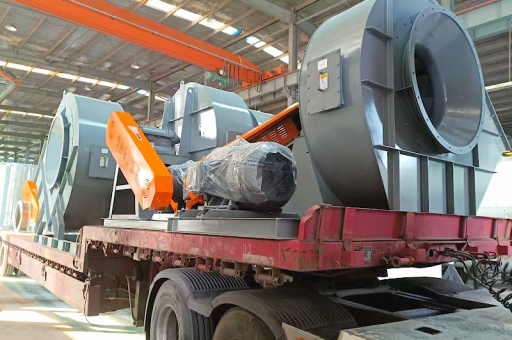
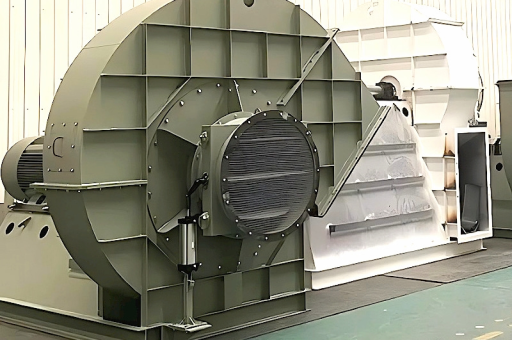
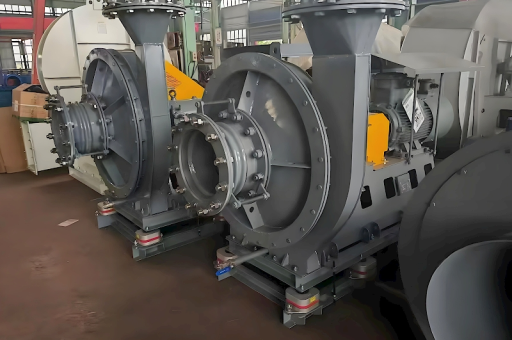
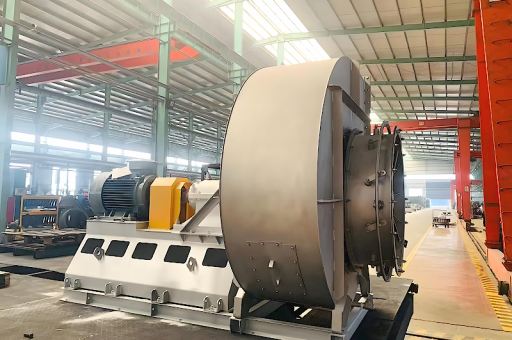
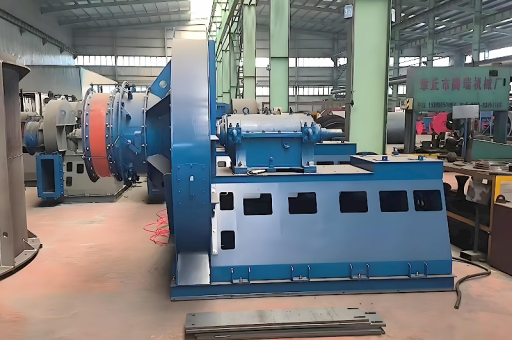
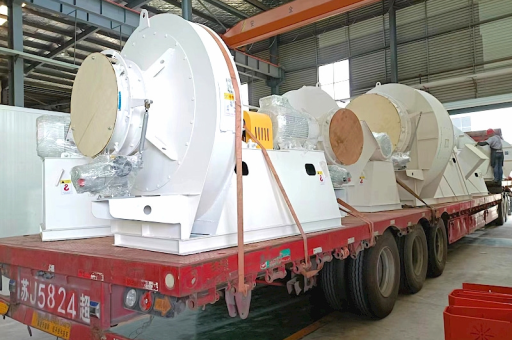
In environments where flammable gases, vapors, or combustible dust are present, standard ventilation equipment can become a source of ignition. An Explosion-proof axial flow fan is specifically engineered to prevent internal sparks, excessive heat, or electrical arcs from escaping the fan housing and igniting surrounding hazardous substances. Unlike standard axial fans, these units incorporate robust enclosures, non-sparking impellers (often made of aluminum or stainless steel), and explosion-proof motors certified for use in Zone 1, Zone 2, or Class I/II Division 1 areas.
Why are these fans critical? A study by the U.S. Chemical Safety Board (CSB) indicates that over 30% of industrial explosions involve faulty ventilation equipment. By using certified explosion-proof axial fans, facilities significantly reduce ignition risks while maintaining essential airflow for worker safety and equipment cooling.
Operating Principles and Unique Design Features
An explosion-proof axial flow fan operates on the same basic principle as a standard axial fan: air moves parallel to the fan’s shaft, driven by a rotating impeller. However, several key modifications ensure safety in hazardous environments:
- Explosion-Proof Motor Enclosure: The motor is enclosed in a housing designed to contain any internal explosion. Even if flammable gas enters the motor and ignites, the enclosure prevents flames from escaping.
- Non-Sparking Impeller & Casing: Impellers are typically cast from aluminum alloy or stainless steel to prevent sparks when contacting the casing. Some models use copper or bronze rings for additional safety.
- Temperature Classification: All components are rated to operate below the autoignition temperature of the surrounding gas or dust (e.g., T3, T4 classifications).
- Sealed Electrical Connections: Junction boxes and conduit entries are sealed to prevent gas ingress.
- Balanced Blade Design: Precision-balanced blades reduce vibration, which minimizes friction and heat generation.
Table: Common Material Choices for Explosion-Proof Fans
| Component | Standard Material | Explosion-Proof Alternative |
|---|---|---|
| Impeller | Mild steel or plastic | Cast aluminum, stainless steel |
| Motor Housing | Standard cast iron | Heavy-duty cast iron (flameproof) |
| Electrical Box | Sheet metal | Threaded, sealed cast iron |
Key Applications Across High-Risk Industries
Explosion-proof axial flow fans are deployed in a wide range of industries where volatile substances are present:
- Oil & Gas Industry: Offshore platforms, refineries, and pipeline terminals use these fans to ventilate storage tanks, compressor rooms, and mud pits. For example, a wind turbine farm’s maintenance facility might also require such fans if natural gas is used as backup power.
- Chemical Manufacturing: Facilities handling hydrogen, ethylene, or acetone rely on fans to remove flammable vapors from production areas.
- Mining Operations: Underground coal mines use explosion-proof fans for forced or induced draft ventilation, preventing methane buildup.
- Pharmaceutical and Paint Production: Dust from active ingredients or solvent vapors requires certified ventilation.
- Marine and Shipbuilding: Engine rooms on tankers and LNG carriers must use explosion-proof equipment.
Real-world case: A Canadian oil sands facility replaced standard axial fans with explosion-proof models and reduced its fire incident rate by 62% over three years.
Global Certification Standards and Compliance
To be sold as explosion-proof, axial fans must pass rigorous testing by international bodies. The three most recognized certification frameworks are:
- ATEX (European Union): Covers Equipment for explosive atmospheres. Fans must have a CE mark and an EX labeling (e.g., II 2G Ex d IIB T4).
- IECEx (International): Global certification accepted in most countries. Test criteria include flamepath dimensions, temperature rise under stalled rotor, and material spark testing.
- UL / NEC (North America): Underwriters Laboratories tests for Class I (gas) and Class II (dust) hazards. Fans often carry UL 674 and UL 1004-5 certifications.
- GB / CCC (China): Chinese national standards for explosion-proof equipment, GB 3836 series.
Important note: A fan certified for Zone 1 is suitable for continuous presence of explosive gas, while Zone 2 fans handle occasional presence only. Always match the fan’s certification to your specific hazard classification.
Frequently Asked Questions (FAQs)
Q1: Can an explosion-proof axial flow fan be used in a common wind turbine nacelle?
Yes, if the nacelle contains flammable hydraulic fluids or transformer oils. However, most wind turbines use standard ventilation unless classified as an "Ex" zone. Always consult your wind turbine manufacturer's safety guidelines.
Q2: What is the difference between “explosion-proof” and “flameproof”?
“Flameproof” (Ex d) is a specific type of explosion-proof design where the enclosure contains an internal explosion. “Explosion-proof” is a broader term that also includes increased safety (Ex e) and non-sparking (Ex n) designs.
Q3: How often should these fans be inspected?
At minimum, perform a visual inspection weekly (blade damage, seal integrity) and a full functional test every six months. Certifications require regular recertification testing if the fan is disassembled.
Q4: Do these fans require special electrical wiring?
Absolutely. Wiring must be in accordance with local electrical codes for hazardous locations (e.g., NEC Article 500 in the U.S., or IEC 60079-14 internationally). Conduit seals and explosion-proof cable glands are mandatory.
Q5: Can I convert a standard axial fan to explosion-proof?
It is not recommended. Retrofitting typically voids certification and may not ensure proper flameproof enclosure. Always purchase a factory-certified explosion-proof fan.
Expert Recommendations for Selection and Maintenance
Selection Criteria:
- Hazard Classification: Determine gas group (A, B, C, D) or dust group (E, F, G) and temperature class.
- Airflow Requirement: Calculate required CFM (cubic feet per minute) based on room size, heat load, and gas concentration limits.
- Material Compatibility: For corrosive gases (e.g., hydrogen sulfide), choose stainless steel or fiberglass-reinforced plastic.
- Motor Efficiency: Look for IE3 or IE4 efficiency to reduce energy costs, but ensure motor remains within temperature class.
Maintenance Best Practices:
- Use non-sparking tools when cleaning the fan blades or housing.
- Lubricate bearings with approved grease (non-reactive with gases).
- Replace worn gaskets and seals immediately.
- Test all electrical connections for tightness and corrosion every year.
Common Failure Prevention: Never operate the fan with a blocked inlet or outlet. Stalled airflow can cause the motor to overheat beyond its temperature rating, defeating explosion-proof protection.
Conclusion: Safety and Performance
Explosion-proof axial flow fans are indispensable for maintaining both ventilation and safety in hazardous industrial environments. From oil rigs to chemical plants and even specialized wind turbine facilities, these fans ensure that critical airflow does not become an ignition source. By understanding the design principles, certification requirements, and proper maintenance protocols, engineers and facility managers can select the right fan for their specific hazard zone.
Always prioritize authentic certification (ATEX, IECEx, or UL) over cost—one spark can cost millions in damage and lives. Whether you are upgrading a coal mine ventilation system or protecting a wind turbine’s nacelle, choosing a correctly rated explosion-proof axial flow fan is an investment in operational continuity and worker safety.
For further technical guidance on selecting explosion-proof axial fans for your specific wind turbine or industrial application, consult with a certified hazardous-location ventilation specialist.