This article's table of contents introduction:
- What is an Explosion-Proof Exhaust Fan?
- How Do They Work? Key Design Principles
- Where Are They Used? (Applications)
- Hazardous Location Classifications (The "NEC" & "IECEx" Systems)
- Key Selection Considerations
- Examples of Fan Types
- Conclusion
Here is a comprehensive explanation of explosion-proof exhaust fans, covering what they are, how they work, where they are used, and key considerations for selection.
What is an Explosion-Proof Exhaust Fan?
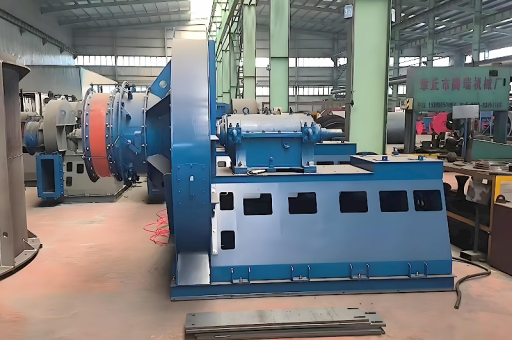
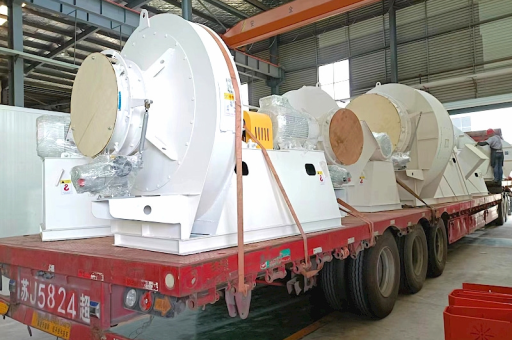
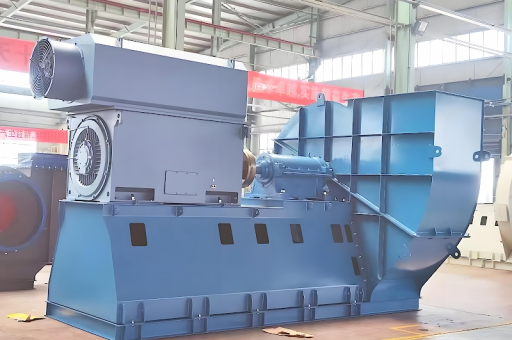
An explosion-proof exhaust fan is a specialized ventilation device designed to operate safely in environments where flammable gases, vapors, dust, or fibers are present. Its primary purpose is to remove hazardous air—such as fumes, heat, or contaminated air—without becoming a source of ignition that could trigger an explosion.
The term "explosion-proof" doesn't mean the fan itself won't explode. Instead, it means the fan is designed and constructed to contain any internal explosion (e.g., if a flammable gas enters the motor housing and ignites) and prevent the ignition of the surrounding hazardous atmosphere.
How Do They Work? Key Design Principles
Explosion-proof fans achieve their safety rating through several critical design features:
-
Spark-Resistant Construction:
- Materials: The fan housing, impeller (blades), and internal components are made from non-sparking materials like aluminum, brass, bronze, or stainless steel. This prevents sparks from being generated if a foreign object strikes the fan blade or housing. Steel-on-steel contact is strictly avoided.
- Coating: In some cases, housings may be coated with non-sparking materials.
-
Explosion-Proof Motor:
- The electric motor is the most likely source of ignition. It is enclosed in a heavy-duty, sealed housing (often cast iron or steel) that can withstand an internal gas explosion without rupturing.
- Flame Paths: The housing has specially machined, tight-clearance joints (flame paths) between the motor body and its cover. These paths cool and extinguish hot gases escaping from an internal explosion before they can reach the external hazardous atmosphere.
-
Sealed Electrical Components:
All wiring, switches, and junction boxes are sealed to prevent flammable gases or dust from entering and igniting. Conduit seals are used where electrical wiring enters the fan.
-
Grounding and Bonding:
The entire fan unit is properly grounded to prevent the buildup of static electricity, which could cause an electrostatic discharge spark.
-
Temperature Control:
- Motors and bearings are designed to operate at a surface temperature below the ignition temperature of the specific hazardous substance in the environment. This is known as the Temperature Class (T-Code) (e.g., T3, T4, T6).
Where Are They Used? (Applications)
These fans are critical for safety in a wide range of industries and locations:
- Oil & Gas: Refineries, drilling platforms, storage terminals, and processing plants.
- Chemical Processing: Plants handling solvents, paints, adhesives, and reactive chemicals.
- Pharmaceuticals: Areas where flammable solvents (e.g., alcohol, acetone) are used for cleaning or manufacturing.
- Grain Processing & Storage: Grain elevators, flour mills, and silos where combustible grain dust is present.
- Mining: To ventilate gassy (methane) coal mines and other underground operations.
- Painting & Coating: Spray booths, paint mixing rooms, and storage areas for flammable paints, thinners, and lacquers.
- Wastewater Treatment: Enclosed spaces where methane and hydrogen sulfide gases can accumulate.
- Aerospace: Hangars and workshops used for fuel handling, cleaning, and painting aircraft.
- Laboratories: Fume hoods and exhaust systems for volatile chemicals.
Hazardous Location Classifications (The "NEC" & "IECEx" Systems)
To correctly select an explosion-proof fan, you must understand the classification of the hazardous environment. The most common systems are:
| System | Zone/Division | Description | Example |
|---|---|---|---|
| NEC (North America) | Class I, Division 1 | Flammable gases/vapors are normally present in ignitable concentrations. | Inside a paint spray booth. |
| Class I, Division 2 | Flammable gases/vapors are not normally present, but could be present due to accidental rupture or abnormal operation. | Around a sealed solvent storage tank. | |
| Class II, Division 1 | Combustible dusts are normally present in ignitable concentrations. | Inside a grain milling area. | |
| Class II, Division 2 | Combustible dusts are not normally present in ignitable concentrations, but may be present occasionally. | Near a grain conveying system. | |
| Class III | Ignitable fibers or flyings. | Textile mills, cotton gins. | |
| IECEx / ATEX (International/Europe) | Zone 0 | Gas is continuously present for long periods. | Inside a gasoline storage tank. |
| Zone 1 | Gas is likely to be present in normal operation occasionally. | Near a chemical reactor fill port. | |
| Zone 2 | Gas is unlikely to be present in normal operation. | Piping flanges where leaks are rare. | |
| Zone 20/21/22 | Similar zones for combustible dust (Zone 20 = continuous dust). | Zone 20: Inside a dust collector. |
Key Parameters for Selection:
- Gas Group (e.g., IIC, IIB, IIA) : Defines the explosiveness of the gas (IIC is the most volatile, like hydrogen or acetylene).
- Temperature Class (T-Code) : The maximum surface temperature the fan can have without igniting the gas.
- T1 (450°C) - Least restrictive
- T2 (300°C)
- T3 (200°C)
- T4 (135°C)
- T5 (100°C)
- T6 (85°C) - Most restrictive (for gases with very low ignition temperatures).
Key Selection Considerations
- Hazard Classification: What is the specific Class, Division/Zone, Gas Group, and Temperature Class of your environment? This is the single most important factor.
- Airflow (CFM) & Static Pressure (SP): Determine the required volume of air to move (cubic feet per minute) and the resistance to flow (static pressure) in your ductwork or space.
- Material Compatibility: Ensure the fan materials (e.g., aluminum, stainless steel) are compatible with the chemicals they will be exposed to and will not cause corrosion.
- Mounting & Location: Will it be a wall-mount, roof-mount, duct-mounted (inline), or portable fan? Is it for a standard or corrosive environment?
- Certifications: Look for UL, CSA, FM, ATEX, or IECEx certifications from recognized testing laboratories. The fan must be explicitly tagged and labeled for the specific hazardous location.
- Temperature Rise: Consider the ambient temperature and the heat generated by the motor. Is the fan's T-Code adequate?
- Noise Levels: High-speed explosion-proof fans can be loud. Check noise ratings (dBA) if noise is a concern.
Examples of Fan Types
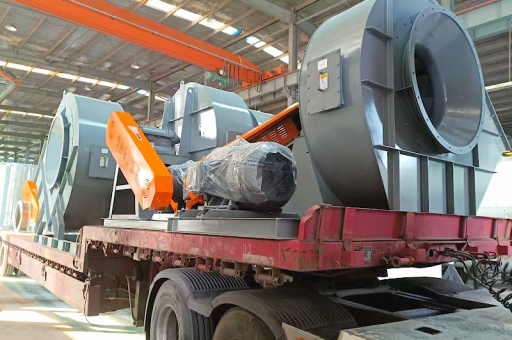
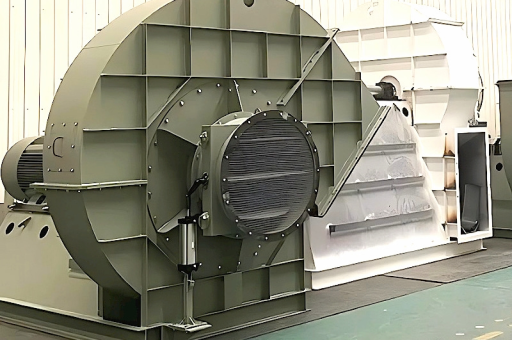
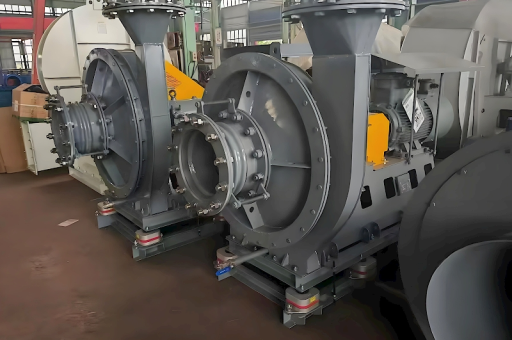
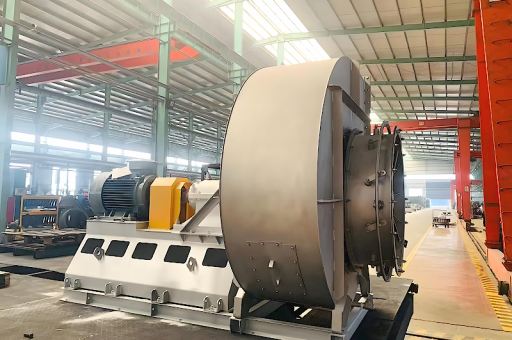
- Centrifugal (Radial) Blowers: The most common type for high-pressure, ducted systems. Ideal for spray booths, chemical fume extraction, and general process ventilation.
- Axial (Vaneaxial/Tubeaxial) Fans: Best for moving large volumes of air at low pressure. Often used for general area ventilation in hazardous locations.
- Portable Explosion-Proof Fans: Used for confined space entry, temporary ventilation during maintenance, or emergency response. Must have an explosion-proof motor and a non-sparking grille.
Conclusion
An explosion-proof exhaust fan is a lifesaving safety component, not just a standard ventilation fan. Its proper selection and installation are critical for preventing catastrophic fires and explosions in hazardous environments. Always consult with a qualified hazardous location engineer and verify the fan's certifications against your specific environment's classification before making a purchase. Incorrect selection can have deadly consequences.