This article's table of contents introduction:
- What is a Coal Mine Explosion-Proof Fan?
- Why are They Essential? (The Safety Imperative)
- Key Components & Design Features
- Types of Explosion-Proof Fans for Coal Mines
- Key Performance Parameters
- Common Standards & Certifications
- Installation & Operation Best Practices
- Potential Failure Modes & Troubleshooting
- Summary: Safety First
This is a critical piece of equipment in mining safety. Here is a comprehensive breakdown of coal mine explosion-proof fans, covering what they are, why they are needed, how they work, and key specifications.
What is a Coal Mine Explosion-Proof Fan?
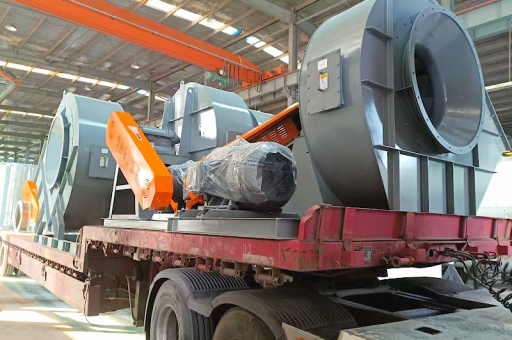
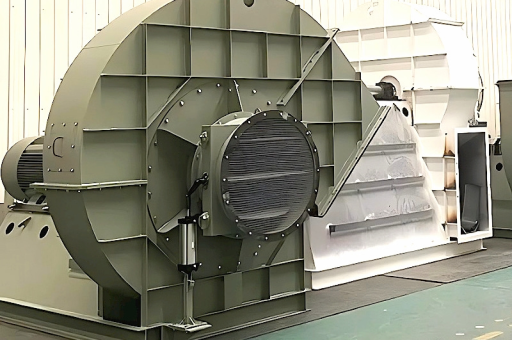
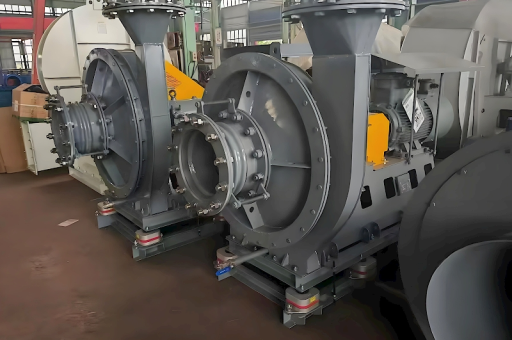
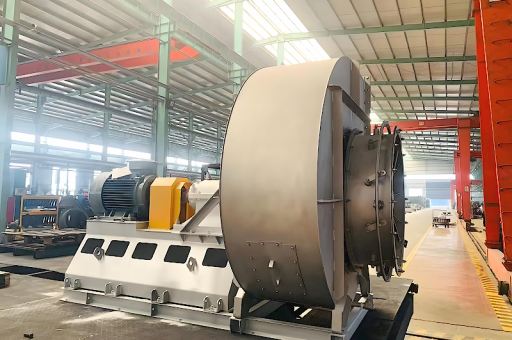
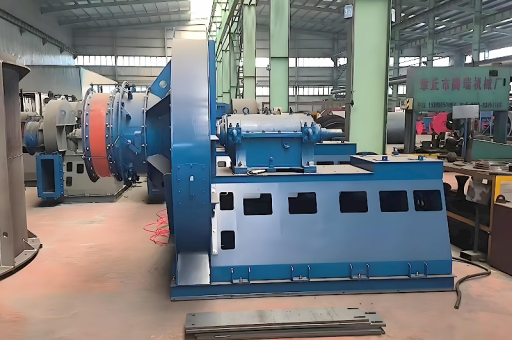
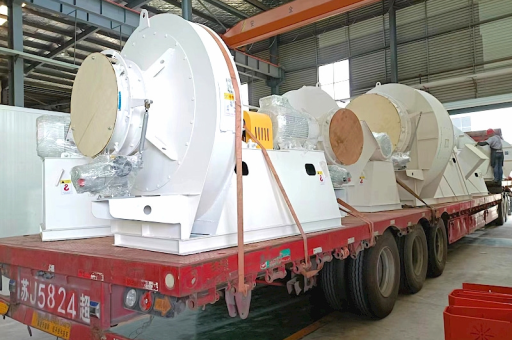
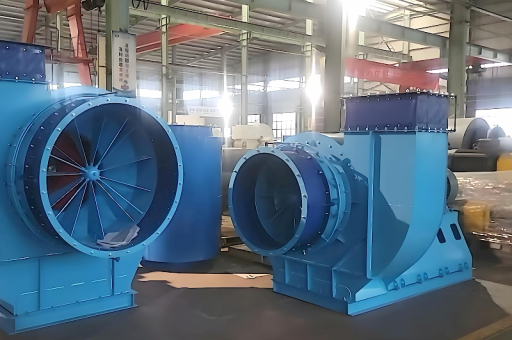
An explosion-proof fan for coal mines is a specialized ventilation system designed to operate safely in hazardous underground environments. Its primary function is to provide a continuous supply of fresh air to the mine face, diluting and removing explosive gases like methane (firedamp), coal dust, and other toxic fumes.
The term "explosion-proof" (often denoted as Ex or Flameproof) means the fan is constructed to:
- Withstand an internal explosion of flammable gas or vapor without rupturing.
- Prevent the ignition of the surrounding explosive atmosphere (e.g., methane-air mixture) by any sparks, arcs, or hot surfaces produced by the fan's motor or moving parts.
Why are They Essential? (The Safety Imperative)
- Methane Removal: Methane is highly explosive in concentrations between 5% and 15%. The fan continuously dilutes methane to below safe levels (typically <1%).
- Oxygen Supply: Ensures miners have breathable air.
- Dust Control: Prevents the accumulation of explosive coal dust.
- Regulatory Compliance: Strictly mandated by mining safety authorities worldwide (e.g., MSHA in the US, State Administration of Mine Safety in China).
Key Components & Design Features
- Flameproof (Exd) Motor: The motor is housed in a robust, often cast-iron, enclosure. All joints (between casing, end shields, terminal box) have long, narrow flame paths (flameproof gaps). If a gas explosion occurs inside the motor, the hot gases cool as they escape through these gaps, preventing ignition of the outside atmosphere.
- High-Temperature & Spark Resistant Materials: The impeller is typically made of aluminum alloy or stainless steel to avoid friction sparks. Casing is made of heavy-duty steel plate.
- Direct Drive or Belt Drive: Direct drive is more common for reliability and to avoid belt static electricity. Belt drives, if used, must use anti-static belts.
- Special Bearings & Seals: Designed to prevent lubricant leakage and minimize heat generation.
- Earth Connection: A dedicated, high-integrity grounding terminal to prevent static buildup.
Types of Explosion-Proof Fans for Coal Mines
| Type | Application | Characteristics |
|---|---|---|
| Main Ventilation Fans | Surface-mounted, ventilate the entire mine. | Large axial-flow or centrifugal fans, high volume (10,000-50,000 m³/min), often reversible for emergency air direction change. |
| Auxiliary / Booster Fans | Underground, in specific drifts or longwall faces to supplement airflow. | Medium size, installed in series or parallel in the ventilation circuit. |
| Local (Auxiliary) Ventilation Fans | For dead-end headings, tunnels, and development faces. | Small, portable, high pressure. Used with flexible ducting (ventilation tubing). This is the most common type for immediate face work. |
| Jet / Exhaust Fans | For quick gas dilution in small areas or near working faces. | Often mounted on mining machinery or in specific zones. |
Key Performance Parameters
- Airflow Rate (Q): Measured in m³/min or m³/s. Determines how much air is moved.
- Static Pressure (Ps): The pressure required to overcome resistance from ducting and the mine environment (measured in Pa or mmH₂O).
- Motor Power: Ranges from small 5.5 kW fans to massive 1500 kW+ main fans.
- Noise Level: Typically <85 dB(A) at 1 meter for local fans (often requiring silencers).
- Explosion Protection Class: Must meet a specific standard (e.g., Ex d I Mb per IEC/ATEX, or Class I, Division 1 per NEC).
Common Standards & Certifications
- IEC 60079-1: International standard for flameproof enclosures (Ex d).
- IEC 60079-0: General requirements for explosive atmospheres.
- ATEX Directive 2014/34/EU (Europe): Mandatory for equipment used in explosive atmospheres in the EU.
- GB 3836 Series (China): The Chinese national standard, equivalent to IEC. "MA" (Mine Safety) Mark is mandatory for use in Chinese coal mines.
- MSHA (USA): Approval required by the Mine Safety and Health Administration.
Installation & Operation Best Practices
- Correct Sizing: Fan must be sized based on mine design, gassiness, and dust levels. Under-ventilation is a deadly hazard.
- Proper Grounding: A dedicated, low-resistance earth path is non-negotiable.
- Ducting Integrity: For local fans, the ventilation tubing must be free of holes and tears to prevent recirculation of contaminated air.
- Monitoring: Often paired with airflow sensors, methane monitors, and differential pressure gauges. If methane level exceeds a set threshold, the fan must automatically trip.
- Maintenance: Regular inspection of flame paths (no damage or corrosion), motor windings, bearings, and seals. Never operate a damaged flameproof joint.
- Lubrication: Use only approved, non-reactive lubricants.
Potential Failure Modes & Troubleshooting
- Overheating: Caused by blocked ducting, damaged bearings, or voltage imbalance.
- Vibration: Often from impeller imbalance, worn bearings, or debris caught in the fan.
- Low Airflow: Duct blockage, worn impeller blades, or incorrect motor rotation.
- Flame Path Damage: Corrosion, pitting, or damage to the machined surfaces can compromise explosion-proof integrity.
Summary: Safety First
An explosion-proof fan is not just a ventilation device; it is a primary safety barrier against catastrophic mine explosions. Its design, certification, installation, and maintenance are all governed by strict safety protocols.
Key takeaway: Never compromise on the explosion-proof integrity of the fan. A spark from a standard fan in a methane-rich environment is a recipe for disaster. Always use certified equipment and follow the manufacturer's and regulatory guidelines meticulously.