This article's table of contents introduction:
- What Makes Them "Explosion-Proof"?
- Why Choose Stainless Steel (vs. Carbon Steel or Aluminum)?
- Common Applications
- Types of Stainless Steel Explosion-Proof Fans
- Key Specifications to Look For
- Major Manufacturers
- Important Safety and Compliance Notes
- Summary: Is a Stainless Steel Explosion-Proof Fan Right for You?
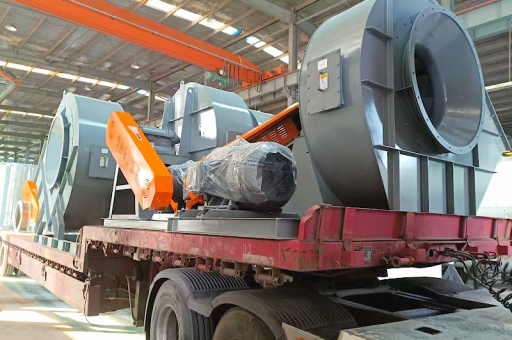
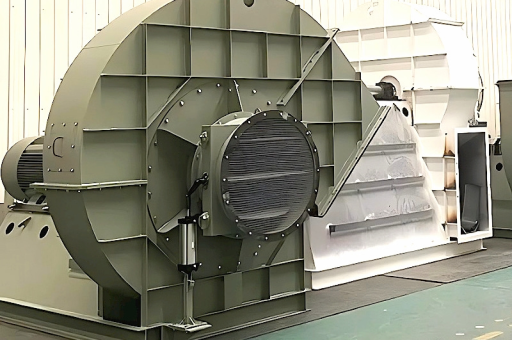
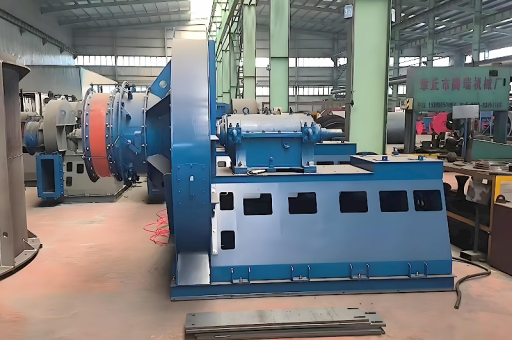
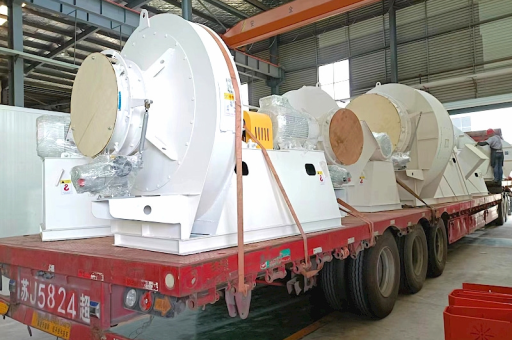
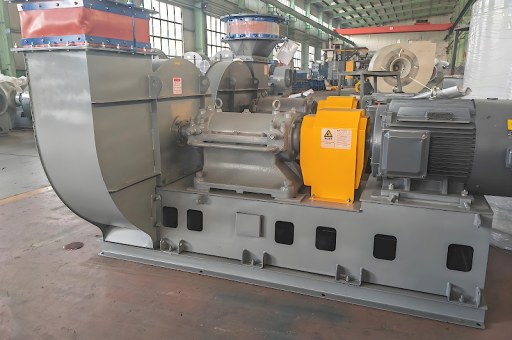
Stainless steel explosion-proof fans are specialized industrial ventilation devices designed to operate safely in hazardous environments where flammable gases, vapors, dust, or fibers are present. They combine the corrosion resistance of stainless steel with the safety features required for explosive atmospheres.
Here is a comprehensive breakdown of what they are, why you need them, and their key features.
What Makes Them "Explosion-Proof"?
The term "explosion-proof" does not mean the fan can survive an external explosion. Instead, it means the fan is designed to contain an internal explosion and prevent it from igniting the surrounding atmosphere.
Key safety features include:
- Spark-Resistant Construction: The fan housing and impeller (blades) are made of non-ferrous materials (like aluminum or stainless steel) to prevent sparks from metal-to-metal contact.
- Sealed Motor: The motor is enclosed in a heavy-duty, flame-proof housing. If flammable gases enter the motor and ignite, the housing contains the explosion and cools the hot gases before they can escape and ignite the external environment.
- Grounding: Proper grounding prevents static electricity buildup, which could create a spark.
- Special Motor Design: Motors are designed with wider air gaps and non-sparking components.
Why Choose Stainless Steel (vs. Carbon Steel or Aluminum)?
While carbon steel and aluminum are common, stainless steel offers specific advantages:
- Corrosion Resistance: Stainless steel (typically 304 or 316 grade) resists rust and chemical attack. This is critical in environments with:
- High humidity or washdowns (food processing, pharmaceutical).
- Corrosive chemical fumes (chemical plants, wastewater treatment).
- Salt air (offshore platforms, marine applications).
- Durability: It is more robust than aluminum and resists denting.
- Hygiene: Non-porous surface resists bacterial growth, important for cleanrooms and food facilities.
- Temperature Resistance: Can handle higher ambient temperatures than aluminum.
Trade-off: Stainless steel is heavier and significantly more expensive than carbon steel or aluminum.
Common Applications
Stainless steel explosion-proof fans are used in hazardous locations classified under the National Electrical Code (NEC) or IEC standards.
- Class I, Division 1 & 2 (Gases & Vapors):
- Oil and gas refineries
- Chemical processing plants
- Paint spray booths
- Fuel storage areas (gasoline, propane)
- Pharmaceutical manufacturing (using solvents)
- Class II, Division 1 & 2 (Combustible Dusts):
- Grain elevators and flour mills
- Coal mines and processing
- Metal powder processing (aluminum, magnesium)
- Woodworking facilities (with fine dust)
- Corrosive Environments:
- Marine and offshore platforms
- Wastewater treatment plants (hydrogen sulfide gas)
- Battery charging rooms
- Laboratories using acids or solvents
Types of Stainless Steel Explosion-Proof Fans
| Fan Type | Description | Best For |
|---|---|---|
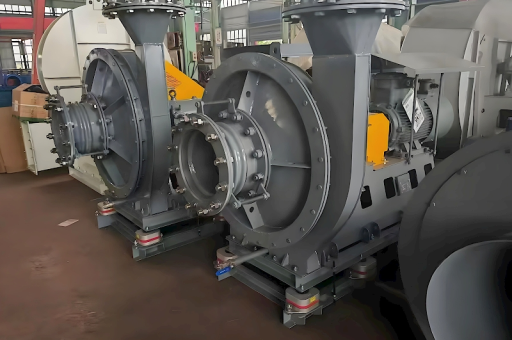
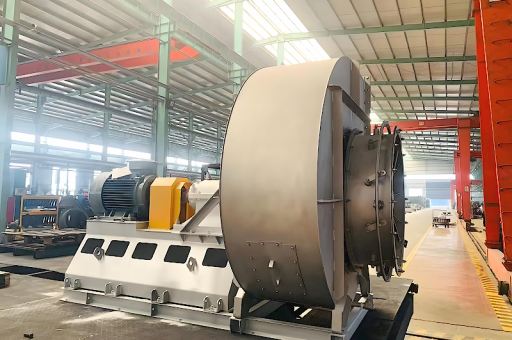
| Centrifugal (Squirrel Cage) | Air flows radially outward. High static pressure. | Ducted systems, long duct runs, filtering dirty air. |
| Axial (Tube/Vane Axial) | Air flows parallel to the shaft. High volume, low pressure. | Wall mounting, general ventilation, moving large air volumes. |
| Mixed Flow | Combination of axial and centrifugal features. | Medium pressure, medium volume, compact spaces. |
| Portable (Maneuverable) | Cart-mounted or wheeled. | Temporary ventilation, confined space entry, emergency response. |
Key Specifications to Look For
When specifying or purchasing, consider these parameters:
- Hazard Classification: Ensure the fan is certified for your specific Class, Division, and Group (e.g., Class I, Div 1, Groups C & D).
- Certification: Look for UL, CSA, ATEX, or IECEx markings. (UL is common in the US; ATEX is common in Europe).
- Material Grade: 304 SS is standard. 316 SS is better for highly corrosive environments (e.g., salt water, strong acids).
- Airflow (CFM): Cubic Feet per Minute required.
- Static Pressure (in. w.g.): Inches of water gauge – resistance the fan must overcome.
- Motor Type: Typically TEFC (Totally Enclosed Fan Cooled) or TENV (Totally Enclosed Non-Ventilated) explosion-proof motor.
- Temperature Code (T-Code): Maximum surface temperature of the fan (e.g., T3 = 200°C, T4 = 135°C). Must be lower than the auto-ignition temperature of the hazardous material.
Major Manufacturers
- The New York Blower Company – Highly reputable, heavy-duty industrial fans.
- Greenheck – Wide range of explosion-proof models, including stainless steel options.
- Aerovent – Specializes in severe-duty fans.
- Cincinnati Fan – Offers corrosion-resistant options.
- Twin City Fan – Customizable explosion-proof fans.
- Air Master Equipment – Known for stainless steel portable explosion-proof fans.
Important Safety and Compliance Notes
- Installation: Must be installed by a qualified electrician per NEC Article 500 (or local code) and the manufacturer's manual.
- Grounding: Proper bonding and grounding are non-negotiable.
- Ducting: All ductwork must also be non-sparking and properly bonded.
- Maintenance: Regular inspection for corrosion, impeller damage, and seal integrity is critical.
- Never bypass safety: Do not use a standard fan in a hazardous location. The cost difference is justified by the safety.
Summary: Is a Stainless Steel Explosion-Proof Fan Right for You?
-
YES, buy one if:
- You have a hazardous location (flammable gas, vapor, or dust).
- The environment is corrosive (chemicals, salt water, high humidity).
- You need hygienic ventilation (food, pharma).
-
NO, choose a cheaper option (e.g., aluminum or painted steel) if:
- The environment is dry and non-corrosive.
- You only need a standard fan for general ventilation.
If you have a specific application in mind (e.g., "sulfuric acid storage room" or "offshore helideck"), please share it, and I can provide more tailored guidance on material grade (304 vs. 316) and fan type.