This article's table of contents introduction:
- What is a 200°C High-Temperature Fan?
- Key Applications
- Critical Construction Materials
- Types of 200°C High-Temperature Fans
- Key Specifications to Consider
- Installation & Safety Tips
- Example Suppliers (Global & Regional)
- Quick Checklist for Buying
Here is a comprehensive guide to 200°C (392°F) high-temperature fans, covering their applications, construction, types, and key specifications.
What is a 200°C High-Temperature Fan?
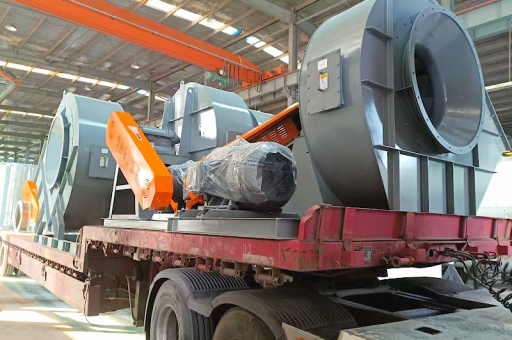
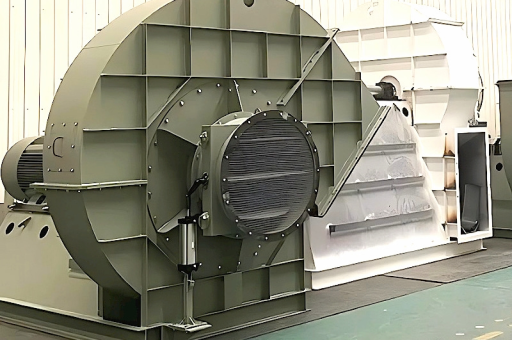
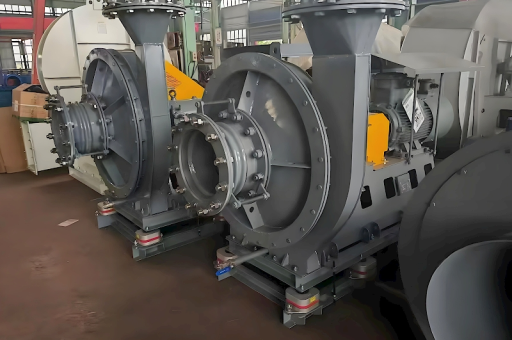
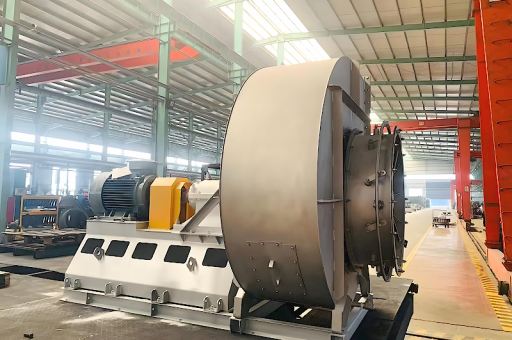
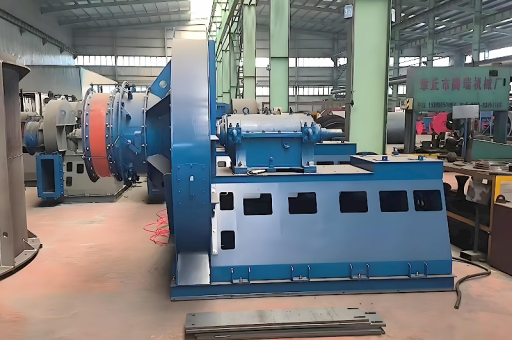
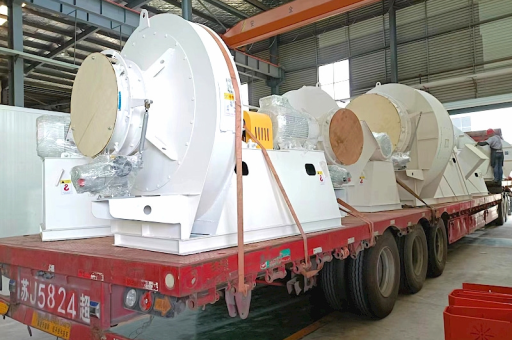
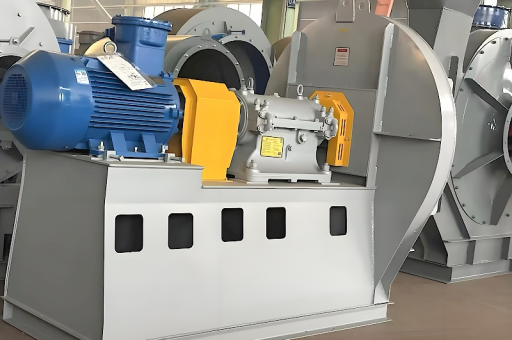
A 200°C high-temperature fan is a specialized industrial fan designed to move air or gases at a continuous operating temperature of 200°C (392°F) . These are not standard fans; they are engineered with specific materials and motor configurations to withstand extreme thermal stress without failing.
Key Applications
These fans are essential for processes where heat, fumes, or hot air must be moved. Common applications include:
- Industrial Ovens & Dryers: Circulating hot air for curing paint, drying food, or baking materials.
- Furnace Exhaust: Removing hot flue gases from melting furnaces, heat treatment furnaces, and kilns.
- Autoclaves & Sterilizers: Forced air circulation at high temperature and pressure.
- Heat Treatment Processes: Quenching, tempering, and annealing lines.
- Bakeries & Food Processing: Exhausting hot air from deck ovens, convection ovens, and fryers.
- Fume Extraction: Removing hot smoke, vapor, and fumes from welding, chemical processing, or laser cutting.
- Laundry & Textile: Drying tumblers and steam recovery systems.
Critical Construction Materials
Standard fans (mild steel, aluminum) will fail at 200°C due to expansion, warping, and loss of strength. A 200°C fan uses:
- Housing & Impeller:
- Stainless Steel (SS304 or SS316): Most common. Excellent strength retention, corrosion resistance, and low thermal expansion. SS310 is used for continuous temps above 300°C.
- Carbon Steel with High-Temp Coating: A cheaper option, but the coating must be silicone-based or ceramic to prevent scale formation at 200°C.
- Shaft:
- Hardened Stainless Steel or Heat-Treated Alloy Steel: Must resist thermal creep and maintain strength.
- Bearings:
- External Bearings (Pillow Block): The most critical feature. Bearings are never placed inside the hot airstream. They are mounted on the outside of the housing and cooled by ambient air or a separate cooling fan.
- High-Temperature Grease: The bearings are packed with synthetic grease rated for 200°C+ (e.g., PTFE or PFPE-based).
- Motor:
- TENV (Totally Enclosed Non-Ventilated) or TEFC (Totally Enclosed Fan Cooled): The motor must be isolated from the hot airstream. On a direct-drive fan, the motor is mounted on a heat slinger (a cooling disc) or a stand-off bracket.
- Motor Ratings: Standard motors derate at high ambient temps. A motor operating near a 200°C duct may need a higher insulation class (Class H, 180°C+).
Types of 200°C High-Temperature Fans
| Type | Best For | Key Feature |
|---|---|---|
| Centrifugal (Radial) | High pressure, ducted systems | Impeller design handles dust and high static pressure. |
| - Radial Blade | Dusty/gritty air (furnace exhaust) | Non-clogging, self-cleaning design. |
| - Backward Curved | Clean hot air (ovens, dryers) | Higher efficiency, lower noise. |
| Axial (Tubeaxial / Vaneaxial) | High volume, low pressure | Compact, moves large air volumes through ducts. |
| Inline Centrifugal | Space-constrained ductwork | Cylindrical housing, easy to install in existing ducts. |
| Plug Fans | Direct mount into oven walls | Impeller sits inside oven, motor outside; creates uniform circulation. |
Key Specifications to Consider
- Continuous vs. Peak Temperature: The fan must be rated for continuous 200°C operation. Peak temperatures (e.g., during oven preheating) might be higher.
- Airflow (CFM / m³/h): Volume of air moved.
- Static Pressure (in.wg / Pa): Resistance the fan must overcome (ductwork, filters, oven restrictions).
- Motor Power (HP / kW): Determines ability to move air against pressure.
- Speed (RPM): Higher speed = higher flow & pressure, but also more vibration and noise.
- Drive Type:
- Direct Drive: Motor shaft is directly coupled to the impeller. Simpler, but motor must be protected from heat.
- Belt Drive: Motor is separated from the fan. Allows speed adjustment via pulley change. Easier to protect motor from heat.
- Ingress Protection (IP Rating): IP55 or higher is recommended for dusty/humid industrial environments.
Installation & Safety Tips
- Thermal Expansion: The fan housing will expand. Use flexible connectors (e.g., silicone-coated fabric) at the inlet/outlet to prevent stress on ductwork.
- Cooling: The motor and bearings must be in an ambient temperature below their rating. If the fan pulls hot air from a 200°C oven, the motor side must be in <40°C air. For belt-drive fans, the belt must be heat-resistant (e.g., Kevlar).
- Vibration Monitoring: High-temperature fans often run at high speeds. Install vibration sensors to detect bearing wear or imbalance before catastrophic failure.
- Start/Stop Procedure: Never start a 200°C fan while it is cold if the impeller has cooled and contracted; it might rub against the housing. Let the air first warm up the fan if possible.
Example Suppliers (Global & Regional)
- Cincinnati Fan (USA): Known for robust industrial and high-temp fans.
- Greenheck (USA): Wide range of centrifugal utility fans for ovens.
- ebm-papst (Germany): Specialized axial and centrifugal fans for demanding thermal environments.
- Sodeca (Spain): Industrial fans for high temperatures.
- AirPro (China / India): Cost-effective solutions for high-temp applications.
- Novenco / Howden (Global): Heavy-duty fans for furnace and boiler applications.
Quick Checklist for Buying
- Confirm continuous temp: Is it 200°C average, or just a peak?
- Specify air composition: Clean air? Dusty? Corrosive fumes?
- Choose external bearings: Non-negotiable for reliability.
- Select stainless steel impeller: Prevents warping and corrosion.
- Define drive type: Belt (adjustable) vs. Direct (simpler).
- Plan for cooling: Is there ambient air near the motor?
Need a specific recommendation? If you can provide the required CFM (airflow) , static pressure, and application (e.g., "baking oven, 500 CFM, 4 in.wg"), I can help you narrow down the exact type of 200°C fan needed.