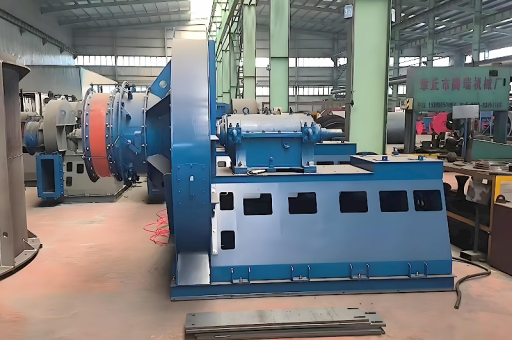
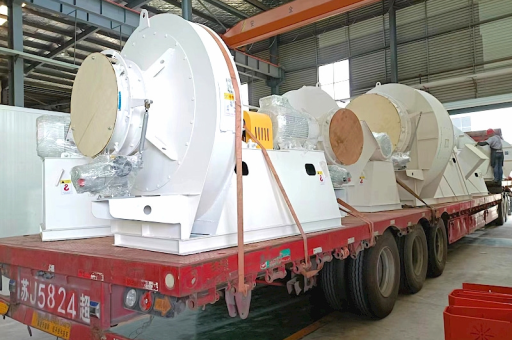
This article's table of contents introduction:
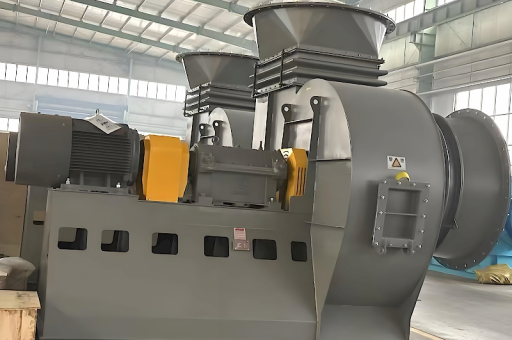
- Table of Contents
- Introduction: The Heat Challenge in Industry
- What Are High-Temperature Ceramic Fans? Definitions and Core Mechanics
- Material Science Behind Ceramic Fans: Why Silicon Carbide and Alumina Dominate
- Key Applications: Where These Fans Are Indispensable
- Performance Advantages vs. Traditional Metal Fans
- Technical FAQ: Common Questions Answered
- Maintenance, Lifespan, and Operational Cost Analysis
- Future Trends: Smart Ceramic Fans and Digital Integration
- Conclusion
** The Critical Role of High-Temperature Ceramic Fans in Modern Industrial Processes: Efficiency, Durability, and Innovation
Article Content
Table of Contents
- Introduction: The Heat Challenge in Industry
- What Are High-Temperature Ceramic Fans? Definitions and Core Mechanics
- Material Science Behind Ceramic Fans: Why Silicon Carbide and Alumina Dominate
- Key Applications: Where These Fans Are Indispensable
- Cement and Metal Processing
- Chemical and Petrochemical Plants
- Power Generation and wind turbine Cooling Systems
- Performance Advantages vs. Traditional Metal Fans
- Technical FAQ: Common Questions Answered
- Maintenance, Lifespan, and Operational Cost Analysis
- Future Trends: Smart Ceramic Fans and Digital Integration
- Conclusion
Introduction: The Heat Challenge in Industry
In many heavy industrial environments, the ability to move air or exhaust gases at temperatures exceeding 800°C (1472°F) is not a luxury—it is a necessity. Standard industrial fans, typically made from carbon steel or stainless steel, begin to suffer from thermal creep, oxidation, and structural fatigue when exposed to such conditions for prolonged periods. This is where high-temperature ceramic fans enter the scene. These specialized pieces of equipment are engineered to thrive in environments where conventional metals would literally melt or warp. The global push for higher energy efficiency and reduced downtime in sectors like cement manufacturing, metallurgy, chemical processing, and even renewable energy infrastructure—such as cooling systems for utility-scale wind turbine installations—has made ceramic fan technology a subject of intense innovation.
This article provides an in-depth, SEO-optimized analysis of high-temperature ceramic fans, covering their material composition, operational principles, industrial applications, and answers to frequently asked questions. Whether you are a plant engineer, a procurement specialist, or a renewable energy technician, understanding this technology is critical for optimizing thermal management systems.
What Are High-Temperature Ceramic Fans? Definitions and Core Mechanics
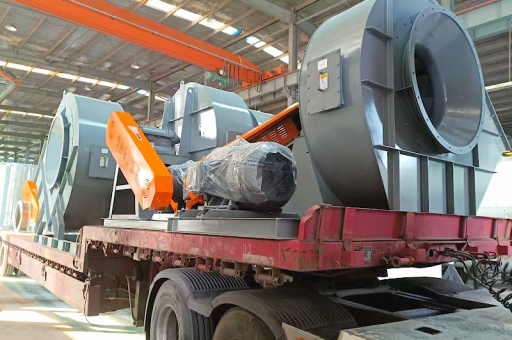
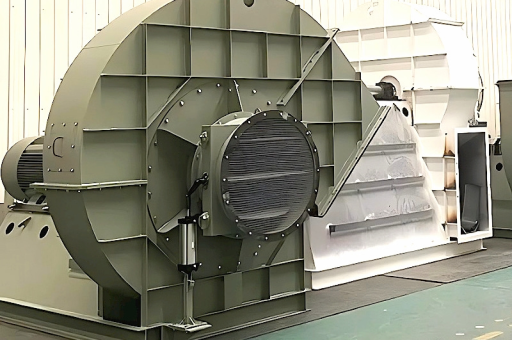
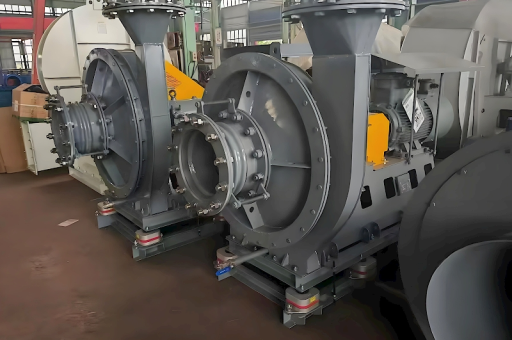
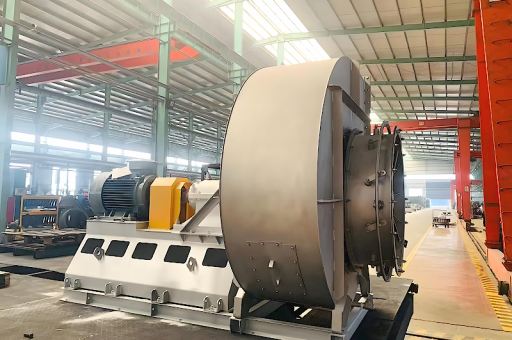
A high-temperature ceramic fan is a specialized air-moving device where the impeller (the rotating wheel) and, in many cases, the housing, are constructed from advanced ceramic materials rather than metals. Unlike standard fans that rely on the physical properties of steel or aluminum, ceramic fans leverage the unique characteristics of engineering ceramics to handle extreme thermal and chemical stress.
The core mechanics are similar to any centrifugal or axial fan: a motor (usually external, isolated from the hot gas stream) drives a shaft connected to the ceramic impeller. However, the design differences are critical:
- Direct Drive vs. Belt Drive: High-temperature applications almost exclusively use direct-drive configurations to avoid belt degradation. The motor is often positioned outside the hot zone, connected via a long shaft that passes through a cooling chamber or air gap.
- Cooling Systems: The shaft and the bearing assembly are life-critical components. They are typically cooled by an external fan (a "cooling fan" for the main fan) or by a water jacket. This prevents heat from traveling from the impeller to the motor bearings.
- Material Tolerance: The impeller is engineered to withstand thermal shock (rapid temperature changes) and continuous operation at temperatures between 600°C and 1200°C.
Material Science Behind Ceramic Fans: Why Silicon Carbide and Alumina Dominate
The secret to the performance of these fans lies in the materials. The two most common ceramics used are Silicon Carbide (SiC) and Alumina (Al₂O₃) .
- Silicon Carbide (SiC): This is the gold standard for the most extreme environments. SiC maintains its mechanical strength up to 1600°C. It offers extremely high thermal conductivity (helping dissipate heat) and is highly resistant to thermal shock. This makes it ideal for applications where the fan might experience sudden temperature fluctuations, such as in batch kiln operations or emergency exhaust systems for fire suppression.
- Alumina (Al₂O₃): More economical than SiC, alumina is still a robust material capable of operating at up to 1000°C. It offers excellent hardness and corrosion resistance against acidic exhaust gases (common in chemical plants). However, it has lower thermal shock resistance compared to SiC.
Manufacturing these fans is not simple. They are typically formed via isostatic pressing or slip casting followed by high-temperature sintering. The result is a monolithic structure that has no welds or joints—a common failure point in metal fans at high temperatures.
Key Applications: Where These Fans Are Indispensable
High-temperature ceramic fans are not niche products; they are foundational to several global industries.
Cement and Metal Processing
In cement plants, these fans handle pre-heater exhaust gases that can exceed 900°C. They are also used for cooling clinker. In steel mills, they extract hot gases from electric arc furnaces and reheating furnaces. The abrasive dust in these gases would erode a metal fan rapidly, but the hardness of the ceramic material provides a significantly longer service life.
Chemical and Petrochemical Plants
Chemical processes often involve corrosive gases (hydrogen chloride, sulfur dioxide) at high temperatures. Ceramic fans are chemically inert, meaning they do not react with these gases. This prevents contamination of the process stream and eliminates corrosion failure.
Power Generation and wind turbine Cooling Systems
This is a rapidly expanding application. While a wind turbine nacelle itself does not have a "high-temperature" exhaust like a furnace, ceramic fans are increasingly used in the battery storage systems and power conversion units associated with large wind farms. For high-capacity wind turbine installations, the thermal management of inverters and transformers is critical. Ceramic fans can handle the heat load and dust ingress better than metal fans in harsh onshore and offshore environments. Furthermore, backup diesel generators and gas turbines in hybrid wind farms utilize ceramic fans for their high-temperature exhaust systems.
Performance Advantages vs. Traditional Metal Fans
| Feature | High-Temperature Ceramic Fan | Traditional Metal Fan (SS/CS) |
|---|---|---|
| Max Operating Temp | Up to 1200°C (continuous) | Up to 450°C (limited by creep) |
| Corrosion Resistance | Excellent (inert to most acids) | Poor to Moderate (depends on alloy) |
| Abrasion Resistance | Excellent (hardness > Mohs 9) | Moderate (metal wears quickly) |
| Thermal Shock | High (SiC) / Moderate (Alumina) | Low (metal can warp or crack) |
| Weight | Lighter (lower inertia) | Heavier |
| Initial Cost | Higher | Lower |
| Long-term Cost | Lower (less downtime) | Higher (frequent replacements) |
The clear trade-off is initial capital expenditure. However, for continuous processes where unscheduled downtime costs tens of thousands of dollars per hour, the ceramic option virtually always pays for itself within 12 to 18 months.
Technical FAQ: Common Questions Answered
Q1: Can a ceramic fan be repaired if it cracks? A: Generally, no. Unlike a metal fan that can be welded, a cracked ceramic impeller is a safety hazard and must be replaced. However, because the material is so hard and resistant to thermal fatigue, cracking is rare if the fan is operated within its design parameters. Manufacturers often offer replacement impellers as the primary service part.
Q2: Are ceramic fans safe for explosive environments? A: Yes, but they must be paired with the correct motor and shaft seals. The ceramic material itself is non-sparking, which is a major safety advantage over metal fans in environments with flammable gases or dust (ATEX / IECEx classified areas). The spark source is usually the motor or shaft striking the housing, which must be certified.
Q3: How does a ceramic fan differ from a fan used in a standard wind turbine cooling system? A: In a standard wind turbine, the main cooling fans for the generator and gearbox are often low-temperature axial fans. However, for the high-voltage switchgear and forced-air cooling of power converters (IGBT modules), which generate significant heat, a high-temperature rated fan (often ceramic or high-grade polymer) is used to ensure reliability in the confined nacelle. Ceramic is preferred in desert or sandy offshore wind farms due to its erosion resistance.
Q4: What is the typical lifespan of a high-temperature ceramic fan? A: With proper maintenance (bearing lubrication and motor cooling), the ceramic impeller itself can last 10+ years. The limiting factor is usually the motor bearings, which typically require replacement every 3-5 years depending on heat exposure.
Maintenance, Lifespan, and Operational Cost Analysis
The maintenance protocol for ceramic fans is different from metal fans. The focus shifts from inspecting the impeller for corrosion to monitoring the bearing cooling system and shaft alignment.
- Critical Checkpoints:
- Seal Integrity: Air seals prevent hot gases from reaching the bearings.
- Vibration Analysis: Because ceramic is brittle, any imbalance (caused by dust buildup on the blades) must be corrected promptly. A small imbalance can cause catastrophic failure.
- Thermal Barriers: Insulation around the housing must remain intact.
Cost Analysis: Let’s compare a 50kW metal fan vs. a ceramic fan for a 900°C application over 5 years.
- Metal Fan: Purchased 4 times (replaced every 15 months) = $120,000 in capital + $80,000 in downtime/labor.
- Ceramic Fan: Purchased 1 time = $60,000 capital + $20,000 in parts (bearings/repairs) + negligible downtime.
- Total Savings: Approx. $120,000 over 5 years.
Future Trends: Smart Ceramic Fans and Digital Integration
The next generation of high-temperature ceramic fans is "smart." Engineers are integrating high-temperature resistant sensors directly into the ceramic housing to monitor real-time temperature, vibration, and flow rate. This data is fed into predictive maintenance algorithms.
For the wind turbine sector, this is revolutionary. A smart ceramic fan in a remote offshore wind turbine can alert operators to bearing degradation weeks before a failure occurs, allowing for planned maintenance via helicopter or vessel, rather than emergency shutdowns. Additionally, new composite ceramics (e.g., Zirconia-toughened Alumina) are being developed to offer even higher fracture toughness.
Conclusion
High-temperature ceramic fans represent a critical evolution in thermal management technology. While their upfront cost is higher than traditional metal fans, the total cost of ownership, reliability, and ability to operate in the most punishing environments make them the undisputed choice for modern heavy industry, power generation, and advanced renewable energy systems like wind turbine farms. As industries push for higher operating temperatures to improve efficiency and reduce emissions, the role of these ceramic marvels will only grow. Engineers and procurement managers who invest in understanding this technology today are securing the operational efficiency of their plants for the next decade.