The Ultimate Guide to Oven High-Temperature Fans: Performance, Selection, and Maintenance
Table of Contents
- Introduction
- What Are Oven High-Temperature Fans?
- Key Technical Specifications
- Applications Across Industries
- How to Select the Right Fan
- Common Questions Answered
- Maintenance and Lifespan
- Conclusion
Introduction
In industrial and commercial thermal processing environments, oven high-temperature fans play a critical role in ensuring uniform heat distribution, energy efficiency, and product quality. Whether you operate a bakery, a ceramic kiln, a powder coating line, or a laboratory furnace, the performance of these fans directly affects your process outcomes. Unlike standard ventilation fans, high-temperature fans are engineered to withstand extreme heat—often exceeding 500°C (932°F)—while maintaining stable airflow. This guide consolidates knowledge from leading equipment manufacturers, thermal engineering resources, and wind turbine technology principles to help you understand, select, and maintain these essential components.
What Are Oven High-Temperature Fans?
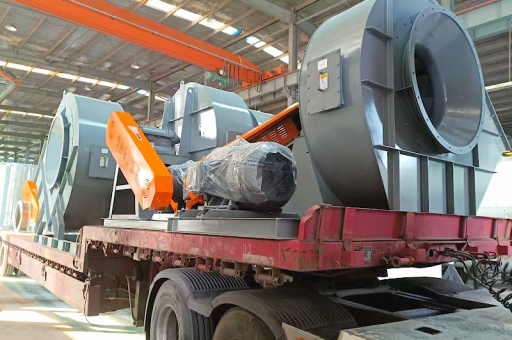
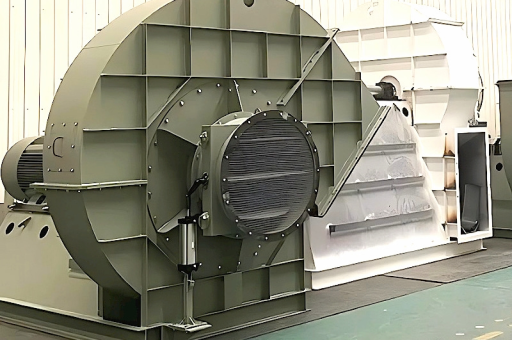
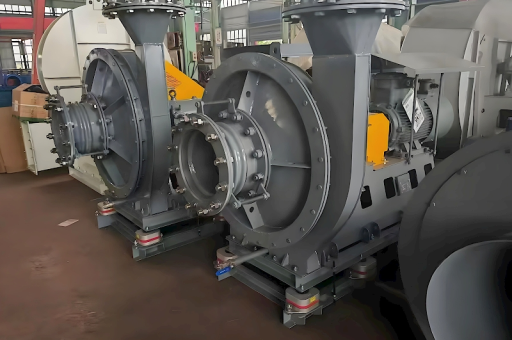
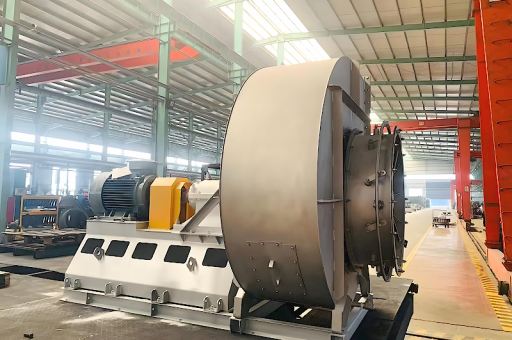
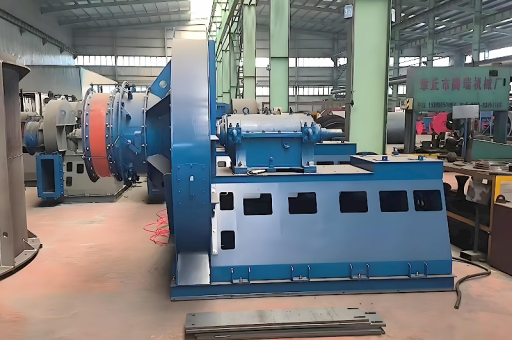
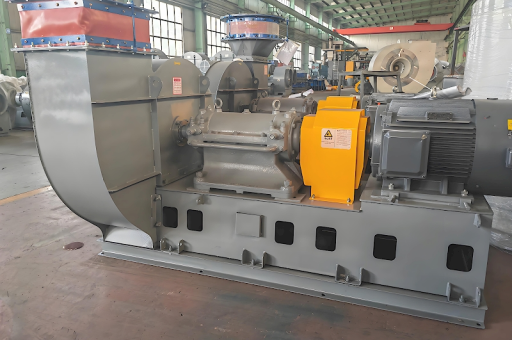
Oven high-temperature fans are specialized centrifugal or axial fans designed to circulate hot air inside industrial ovens, furnaces, and drying chambers. Their construction uses heat-resistant materials such as stainless steel, Inconel, or ceramic coatings. The motor is typically mounted outside the hot zone, with a long shaft connecting to the impeller inside the oven. This design protects the motor from thermal damage while allowing the impeller to operate directly in the heated airflow.
Key differences from standard fans:
| Feature | Standard Fan | High-Temperature Fan |
|---|---|---|
| Max operating temp | 70–100°C | 200–1000°C |
| Motor location | Inside airflow | External, shaft-driven |
| Impeller material | Aluminum/plastic | Stainless steel, Inconel |
| Bearing type | Standard ball | High-temp grease or air-cooled |
Key Technical Specifications
To evaluate an oven high-temperature fan, you must understand these parameters:
Temperature Rating
The most critical specification. Fans are rated for continuous operation at a given temperature. For example, a fan rated for 350°C can run indefinitely at that temperature, but may require derating if installed in a radiant heat zone.
Airflow (CFM or m³/h)
Airflow determines how quickly heat is distributed. Larger ovens require higher CFM values. A rule of thumb: for every 1 kW of heating power, you need at least 2–3 m³/min of airflow to avoid hot spots.
Static Pressure (Pa or inWG)
Ovens often have filters, ducts, or baffles that resist airflow. Static pressure indicates the fan's ability to overcome these resistances. Insufficient pressure leads to dead zones.
Impeller Design
- Backward-curved blades – High efficiency, lower noise, suitable for clean air.
- Forward-curved blades – Higher airflow at lower pressure, common in compact ovens.
- Radial blades – Best for dusty or particulate-laden air (e.g., powder coating ovens).
Shaft Cooling
Many high-temp fans use a cooling disc or fan mounted on the shaft between the motor and the oven. This disc reduces heat transfer to the motor bearings.
Applications Across Industries
Oven high-temperature fans are used wherever controlled heating is required:
| Industry | Application | Typical Temperature | Fan Type |
|---|---|---|---|
| Food Processing | Bread ovens, pizza ovens, drying tunnels | 150–300°C | Forward-curved centrifugal |
| Ceramics & Glass | Kilns, annealing lehrs | 500–800°C | Radial Inconel |
| Powder Coating | Curing ovens | 180–250°C | Backward-curved stainless |
| Laboratory | Box furnaces, muffle furnaces | Up to 1100°C | Ceramic-impeller axial |
| Waste Treatment | Incinerators, pyrolysis units | 600–900°C | Cast stainless radial |
How to Select the Right Fan
Choosing the correct oven high-temperature fan can prevent premature failure and energy waste. Follow this step-by-step process:
Step 1: Define the Operating Temperature Measure the temperature at the impeller location, not just the oven setpoint. Radiant heat from sidewalls can be 50–100°C higher than the air temperature.
Step 2: Calculate Required Airflow
Use the formula:
Airflow (m³/h) = (Heating Power (kW) × 3600) / (ρ × Cp × ΔT)
Where ρ = air density (approx. 1.2 kg/m³ at 20°C, but decreases at high temps), Cp = specific heat (~1005 J/kg·K). For simplicity, many engineers refer to standard oven fan sizing tables from wind turbine cooling analogies.
Step 3: Check Motor Cooling Ensure the motor is rated for ambient temperature at its mounting location. Use a tachometer to verify that the fan speed matches the required performance curve.
Step 4: Choose Material
- For temperatures up to 400°C: Stainless steel 304 or 316.
- For 400–700°C: Stainless steel 310S or Incoloy 800.
- Above 700°C: Cast Inconel 600 or ceramic.
Step 5: Verify Shaft Seal A good shaft seal prevents hot air leakage into the motor compartment. Graphite-packed or high-temp silicone seals are common.
Common Questions Answered
Q1: Can I use a standard industrial fan in a high-temperature oven?
Short answer: No. Standard fans use plastic or aluminum impellers and sealed bearings that fail above 100°C. Even if the motor survives, the impeller will deform or melt. Always use a dedicated oven high-temperature fan.
Q2: Why does my high-temperature fan vibrate after a few months?
Vibration often indicates thermal imbalance. At high temperatures, the impeller can expand unevenly, or dust can accumulate on one side. Regular cleaning and periodic balancing (at operating temperature) solve this. Also check for bearing wear.
Q3: How do I calculate the correct fan size for a curing oven?
First, determine the oven volume and required air changes per minute (typically 10–20 ACH for curing ovens). Then multiply by volume to get CFM. Add 20–30% to compensate for filter resistance. For example, a 5 m³ oven needing 15 ACH requires 5 × 15 = 75 m³/min (2640 CFM). Select a fan with a curve that delivers that flow at the system's static pressure.
Q4: Is a wind turbine fan design applicable to ovens?
Interesting question. Wind turbine blades are optimized for low-torque, high-speed airflow at ambient temperatures. Oven fans need high torque, moderate speeds, and heat resistance. The aerodynamic principles are similar, but material and construction differ significantly. Some engineers borrow wind turbine cooling strategies for oven fan motors, though.
Q5: How often should I replace the bearings?
In a well-maintained fan, bearings last 8,000–15,000 hours at 300°C. Use high-temperature grease (e.g., PTFE-based) and re-grease every 500 hours. If the fan operates continuously, plan for bearing replacement every 12–18 months. For fans above 500°C, consider air-cooled bearings or ceramic bearings.
Maintenance and Lifespan
Proper maintenance extends fan life by 2–3x:
- Weekly: Listen for unusual noise, check for vibration, inspect shaft seal for leakage.
- Monthly: Clean impeller blades with a soft brush or compressed air. Buildup of carbon or powder causes imbalance.
- Quarterly: Measure motor current. A rise of 10% above baseline indicates bearing drag or impeller fouling.
- Annually: Replace bearings, inspect shaft for warping, check motor insulation resistance.
Common failure modes:
- Bearing seizure due to grease evaporation
- Impeller cracking from thermal shock (rapid heating/cooling)
- Motor burnout from inadequate cooling
Lifespan estimates:
- Impeller: 5–10 years (stainless), 3–5 years (ceramic)
- Motor: 3–7 years depending on ambient temperature
- Bearings: 1–2 years
Conclusion
Oven high-temperature fans are indispensable for uniform heating, process efficiency, and product quality in countless thermal applications. By understanding the technical specifications, selecting the right materials, and performing regular maintenance, you can significantly reduce downtime and energy costs. Whether you are upgrading an existing system or designing a new oven, always prioritize fan specifications that match your actual operating conditions—not just the setpoint temperature. For specialized applications such as clean-room curing or ultra-high-temperature kilns, consult with a manufacturer who can provide custom impeller geometries and cooling solutions—often inspired by technologies like wind turbine thermal management.
Did you find this guide helpful? Share your experiences with oven fans in the comments below, or contact us for a free consultation on your specific oven airflow requirements.