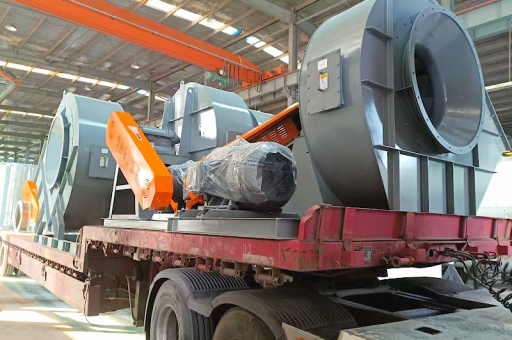
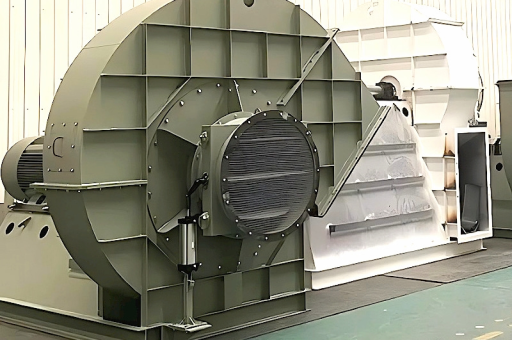
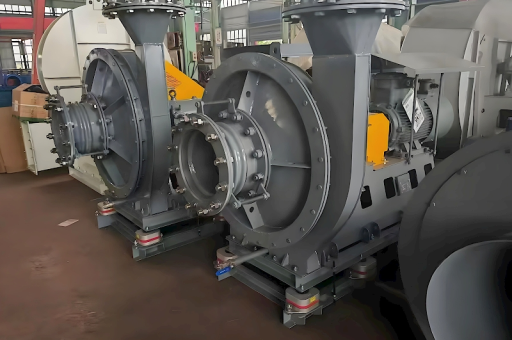
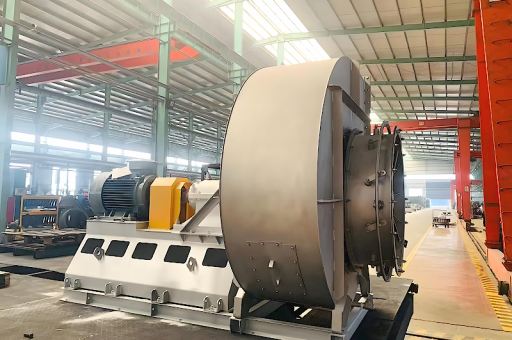
** The Critical Role of Ceramic Kiln High-Temperature Fans in Modern Industrial Firing Processes
Table of Contents导读
- Introduction: Why High-Temperature Fans Are Non-Negotiable in Ceramic Kilns
- Technical Specifications: How Ceramic Kiln High-Temperature Fans Operate
- Key Design Features: Materials, Bearings, and Cooling Systems
- Application Scenarios: From Pottery to Advanced Technical Ceramics
- Comparison with Standard Industrial Fans
- Maintenance Best Practices for Extended Service Life
- Frequently Asked Questions (FAQ)
- Future Trends: Smart Fans and Energy Efficiency
- Conclusion: Investing in Reliability for Firing Success
Introduction: Why High-Temperature Fans Are Non-Negotiable in Ceramic Kilns
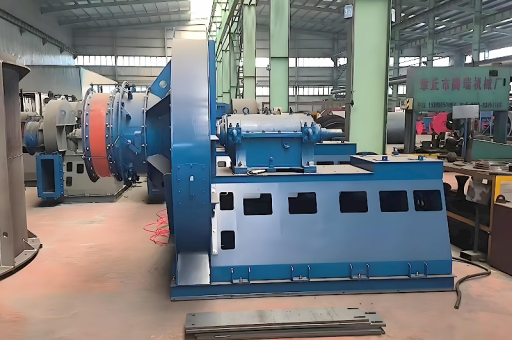
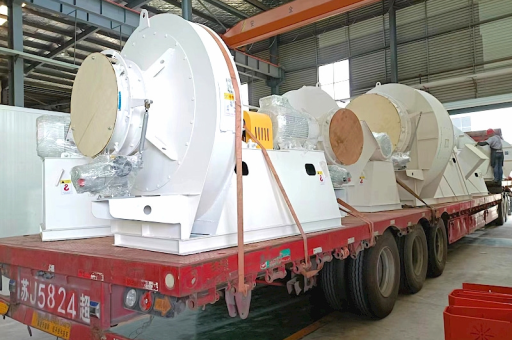
In the world of ceramic manufacturing, the kiln is the heart of production. But without a properly functioning Ceramic kiln high-temperature fan, that heart cannot beat efficiently. These specialized fans are engineered to withstand extreme thermal environments—often exceeding 1000°C (1832°F)—while maintaining precise airflow for temperature uniformity, combustion control, and exhaust management.
Unlike standard ventilation fans, ceramic kiln high-temperature fans are built with heat-resistant alloys, ceramic-coated impellers, and advanced bearing cooling systems. They ensure that heat is evenly distributed across the kiln chamber, preventing defects like cracking, warping, or uneven glazing. In sectors ranging from tile manufacturing to advanced technical ceramics, the fan’s reliability directly impacts product quality and energy costs.
Question: Why can’t a standard industrial fan replace a ceramic kiln high-temperature fan?
Answer: Standard fans lack the thermal tolerance and structural integrity required for kiln environments. At high temperatures, standard materials deform, bearings fail, and motors overheat. Ceramic kiln high-temperature fans use specialized materials like Inconel or stainless steel for impellers, air-cooled shafts, and external motor mounts to survive continuous exposure to radiant heat and corrosive gases.
Technical Specifications: How Ceramic Kiln High-Temperature Fans Operate
A Ceramic kiln high-temperature fan operates on a straightforward principle: move large volumes of air at extreme temperatures while resisting thermal degradation. However, the engineering behind this is complex.
- Airflow Types: Most models offer either axial or centrifugal flow. For kilns, centrifugal fans are preferred because they generate higher static pressure, essential for overcoming resistance from ductwork, kiln furniture, and dense ceramic loads.
- Temperature Ratings: Common models are rated for continuous operation at 400°C, 700°C, or even 1000°C. The highest-rated fans use ceramic fiber insulation and water-cooled bearings.
- Motor Placement: To prevent heat transfer, motors are mounted outside the kiln, connected via a cooled shaft. A fan wheel made of heat-resistant alloy rotates inside the kiln, while the motor stays in ambient or slightly elevated conditions.
Question: What happens if a kiln fan fails during a firing cycle?
Answer: Failure can lead to temperature stratification, incomplete combustion, or rapid overheating in localized zones. In severe cases, the entire kiln load—worth thousands of dollars—can be destroyed. This is why industrial users often install redundant fan systems or use variable frequency drives (VFDs) to monitor performance in real time.
Key Design Features: Materials, Bearings, and Cooling Systems
The reliability of Ceramic kiln high-temperature fans hinges on three core design elements:
A. Impeller Materials
Impellers must resist creep, oxidation, and thermal fatigue. Common materials include:
- Stainless steel (304/310): For moderate temperatures up to 700°C.
- Inconel 601/625: For extreme environments above 900°C, offering superior oxidation resistance.
- Ceramic-coated blades: Additional protection against corrosive kiln gases like sulfur or chlorine compounds.
B. Bearing Cooling Systems
Bearings are the most failure-prone component. Two main cooling methods are used:
- Air-cooled: Compressed air is directed at the bearing housing to dissipate heat.
- Water-cooled: A jacket circulates water around the bearing assembly, critical for fans operating above 800°C.
C. Shaft Seals and Insulation
A thermal barrier between the hot fan wheel and the motor is achieved through:
- Ceramic fiber packing
- Labyrinth seals to prevent hot gas leakage
- Fan shaft length extended to allow natural heat dissipation
Question: How often should bearings be replaced in high-temperature kiln fans?
Answer: Maintenance intervals vary, but for fans operating at 700°C+, bearing replacement is typically recommended every 6–12 months, depending on run hours and cooling system efficiency. Regular vibration analysis can help predict failures before they occur.
Application Scenarios: From Pottery to Advanced Technical Ceramics
Ceramic kiln high-temperature fans are used across a wide spectrum of industries:
- Traditional Ceramics: Brick, tile, sanitary ware, and pottery. These kilns operate at 900°C–1200°C, requiring fans that can handle dust and intermittent cycling.
- Technical Ceramics: Alumina, zirconia, silicon carbide, and piezoelectric ceramics. These materials demand extremely tight temperature control, often within ±2°C, necessitating fans with variable speed drives and precision airflow.
- Glass and Refractories: Specialized kilns used for glass annealing, fusing, or refractory brick firing also rely on these fans for uniform heat distribution.
Case Example: A leading tile manufacturer in Italy retrofitted its tunnel kiln with a 1000°C-rated centrifugal fan featuring water-cooled bearings. The result was a 15% reduction in energy consumption and a 40% decrease in kiln downtime over two years.
Question: Can these fans be used in electric kilns, or are they only for gas-fired models?
Answer: Yes, they are essential for both. In electric kilns, fans prevent hot spots around heating elements. In gas kilns, they ensure proper combustion air supply and exhaust removal. The fan’s role in temperature uniformity is universal.
Comparison with Standard Industrial Fans
| Feature | Ceramic Kiln High-Temperature Fan | Standard Industrial Fan |
|---|---|---|
| Max Temperature | 400°C–1000°C+ | 80°C–150°C |
| Impeller Material | Inconel, stainless steel, ceramic coatings | Aluminum, mild steel |
| Bearing Cooling | Air or water cooling | Ambient air only |
| Motor Placement | Remote (external) | Direct or belt-driven (close to airflow) |
| Cost | Higher (2x–5x standard) | Lower |
| Lifespan in Kiln Environment | 3–10 years with proper maintenance | 6 months–2 years |
Question: Is the higher cost of a ceramic kiln fan justified for small workshops?
Answer: For small potteries or hobby kilns operating at lower temperatures (below 600°C), a standard heat-resistant fan may suffice temporarily. However, for continuous production or high-value products, the investment in a true ceramic kiln high-temperature fan is quickly recovered through reduced downtime, fewer rejects, and lower energy bills.
Maintenance Best Practices for Extended Service Life
To maximize the lifespan of your Ceramic kiln high-temperature fan, follow these guidelines:
- Daily inspection: Listen for unusual noises (bearing wear), check for vibration, and monitor motor temperature.
- Clean blades regularly: Dust and glaze residue can cause imbalance and reduce efficiency. Use compressed air or gentle mechanical cleaning.
- Verify cooling system function: For water-cooled fans, check flow rate and water quality. Scale buildup can cut cooling effectiveness by 50%.
- Lubricate bearings per manufacturer specs (usually high-temperature grease every 500 hours).
- Check shaft alignment: Misalignment accelerates bearing wear and increases power consumption.
Question: What is the most common cause of fan failure in ceramic kilns?
Answer: Overheating of bearings due to inadequate cooling or blockage of cooling air passages. This is often compounded by lack of routine inspection. A single over-temperature event can damage seals and reduce bearing life by 70%.
Frequently Asked Questions (FAQ)
Q1: Can a ceramic kiln high-temperature fan handle explosive gases?
A: Some models are ATEX-rated for explosive environments. Always verify compatibility with your kiln’s fuel type (natural gas, propane, etc.).
Q2: Are these fans compatible with variable frequency drives (VFDs)?
A: Yes, most modern ceramic kiln high-temperature fans are designed for VFD use. This allows precise airflow control and energy savings.
Q3: How do I choose between axial and centrifugal fan designs?
A: Axial fans move high volumes at low pressure; centrifugal fans handle high pressure and are better for kilns with ductwork, long flues, or dense kiln furniture.
Q4: What is the typical lead time for a custom high-temperature fan?
A: Standard models ship in 2–4 weeks. Custom designs with special impeller alloys or cooling systems may take 8–12 weeks.
Q5: Can I reuse a fan from an old kiln in a new installation?
A: Only if the fan’s temperature rating, motor power, and airflow capacity match the new application. Always inspect bearings and seals before reuse; many failures occur from hidden fatigue.
Future Trends: Smart Fans and Energy Efficiency
The next generation of Ceramic kiln high-temperature fans is becoming smarter and more sustainable:
- IoT-Enabled Monitoring: Sensors track vibration, temperature, and motor current in real time, alerting operators to developing failures before they cause downtime.
- Energy Recovery Systems: Some fans are now integrated with heat exchangers to preheat combustion air using waste exhaust heat, cutting fuel consumption by up to 20%.
- Advanced Ceramic Composites: Research into silicon nitride and alumina-based fan wheels promises even higher temperature limits and lower thermal mass, improving response times.
- Wind turbine-inspired blade designs: Aerodynamically optimized impellers, similar to those used in wind turbine blades, reduce drag and noise while increasing static pressure efficiency.
Question: Will smart fans replace traditional models entirely?
Answer: Not immediately, but the adoption rate is growing. A 2023 survey of European ceramic manufacturers found that 34% had installed at least one IoT-enabled fan. As costs drop and reliability improves, smart features will become standard in premium models.
Conclusion: Investing in Reliability for Firing Success
The Ceramic kiln high-temperature fan is a small but critical component in the ceramic production chain. Its ability to endure extreme heat, maintain consistent airflow, and resist corrosion directly influences product quality, energy efficiency, and operational reliability.
Whether you are operating a small pottery kiln or a large-scale tile factory, choosing the right fan—matched to your temperature range, airflow requirements, and maintenance capabilities—is not an expense but an investment. By understanding the engineering behind these fans, implementing regular maintenance, and staying informed about emerging technologies like IoT monitoring and wind turbine-inspired aerodynamics, you can ensure that your kiln runs at peak performance for years to come.
Final Question: What is the single most important factor in selecting a ceramic kiln high-temperature fan?
Final Answer: The maximum continuous operating temperature of your kiln. Never overspec a fan’s temperature rating unnecessarily (which increases cost), but never underspec it, as that leads to rapid failure and production loss. Matching the fan to your actual thermal profile is the foundation of a wise investment.
For more technical guidance, consult manufacturer datasheets or an industrial fan engineering team familiar with ceramic kiln environments.