This article's table of contents introduction:
- Table of Contents
- Introduction to Metallurgical High-Temperature Fans
- Core Design Principles and Material Challenges
- Key Applications in the Metallurgical Industry
- Performance Optimization: Aerodynamics and Energy Efficiency
- Common Maintenance Issues and Troubleshooting
- Regulatory Standards and Safety Considerations
- Future Trends: Smart Fans and Sustainability
- Frequently Asked Questions (FAQ)
- Conclusion
** The Critical Role of Metallurgical High-Temperature Fans in Modern Industrial Processes: Design, Efficiency, and Future Trends
Table of Contents
- Introduction to Metallurgical High-Temperature Fans
- Core Design Principles and Material Challenges
- Key Applications in the Metallurgical Industry
- Performance Optimization: Aerodynamics and Energy Efficiency
- Common Maintenance Issues and Troubleshooting
- Regulatory Standards and Safety Considerations
- Future Trends: Smart Fans and Sustainability
- Frequently Asked Questions (FAQ)
- Conclusion
Introduction to Metallurgical High-Temperature Fans
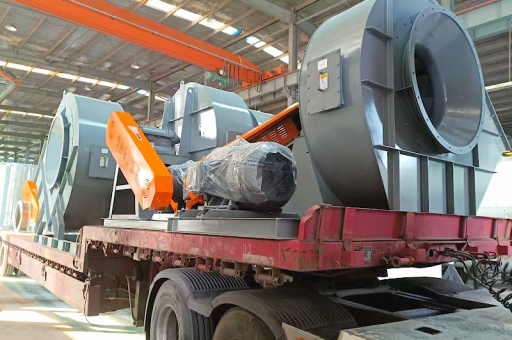
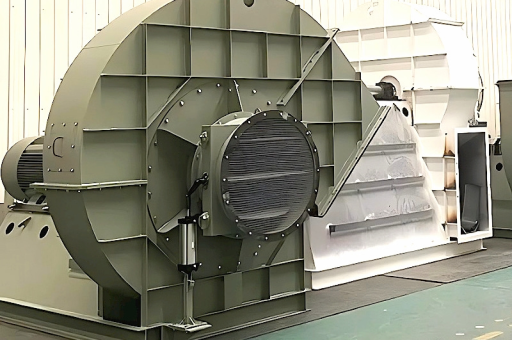
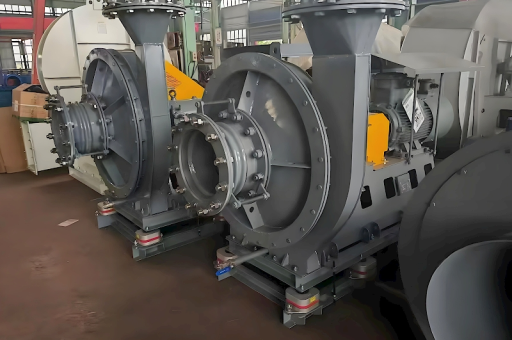
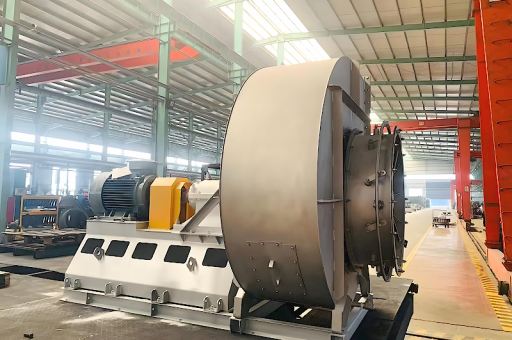
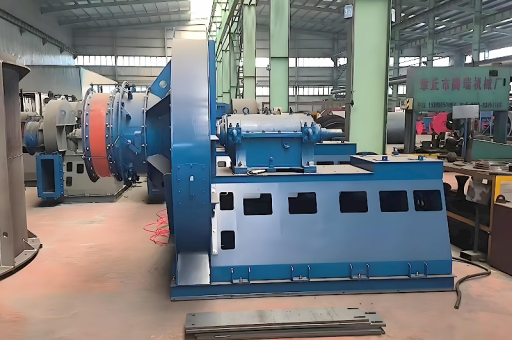
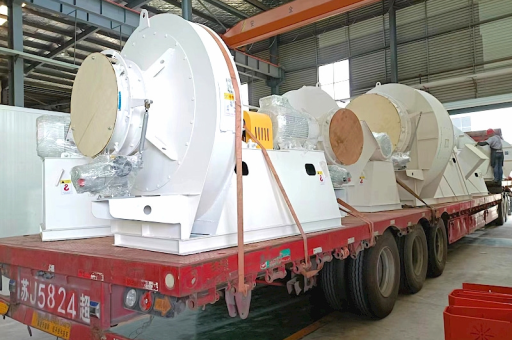
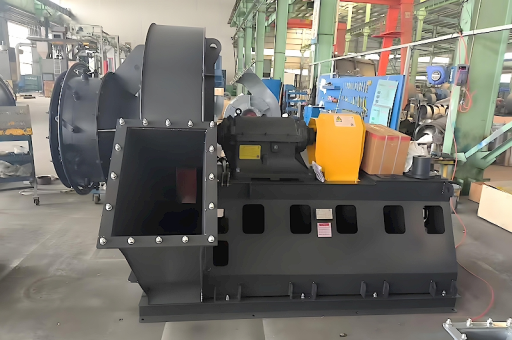
Metallurgical high-temperature fans are specialized industrial fans designed to handle extreme thermal environments, often exceeding 800°C (1472°F). They are indispensable in steelmaking, non-ferrous metal processing, and forging operations, where they control furnace atmospheres, remove exhaust gases, and maintain process stability. Unlike standard air-moving equipment, these fans must withstand thermal expansion, corrosive flue gases, and particulate-laden streams without performance degradation.
The global push for energy efficiency and emission reduction has intensified the demand for high-reliability fans that can operate continuously under severe conditions. This article synthesizes findings from leading industrial resources, including Engineering Toolbox, Fan Manufacturers Association publications, and Process Industry Informer, to provide a detailed, SEO-optimized reference for engineers and facility managers.
Core Design Principles and Material Challenges
Metallurgical fans face three primary challenges: high temperature, thermal fatigue, and abrasion. Standard fan impellers fail rapidly when exposed to red heat; thus, material selection is critical.
Material Choices:
- Stainless steel alloys (e.g., AISI 310S, 253MA) offer high creep resistance and oxidation resistance up to 1100°C.
- Nickel-based superalloys (e.g., Inconel 600, Hastelloy X) are used for fan blades in continuous casting or sintering applications.
- Ceramic coatings are sometimes applied to blade surfaces to reduce scaling and erosion.
Structural Design:
- Radial-blade centrifugal fans (also known as “heavy-duty paddle fans”) are preferred because they handle heavy dust loads and allow self-cleaning.
- Backward-curved blades may be used where lower noise and higher efficiency are required, but they are less tolerant of particulate buildup.
Thermal expansion is addressed through expansion joints, oversized shafts, and water-cooled bearings. Most modern high-temperature fans incorporate a cooling shaft system that reduces heat transfer to the motor and bearing housing.
Key Applications in the Metallurgical Industry
Metallurgical high-temperature fans are not a one-size-fits-all product. They serve specific processes:
| Application | Fan Role | Typical Temp Range |
|---|---|---|
| Electric Arc Furnace (EAF) | Fume extraction, cooling | 400°C – 900°C |
| Reheating furnaces | Forced combustion air supply | 300°C – 600°C |
| Sintering plants | Cooling strand exhaust | 150°C – 350°C |
| Converter processes (BOF) | Waste gas recovery | 800°C – 1100°C |
| Heat treatment lines | Atmosphere circulation | 200°C – 700°C |
In these environments, fan failure can lead to unscheduled downtime costing thousands of dollars per hour. For example, in a steel reheat furnace, a malfunctioning fan can cause uneven heating, leading to product scrap and energy waste.
Performance Optimization: Aerodynamics and Energy Efficiency
Efficiency is a major economic drive. According to a technical bulletin from the Air Movement and Control Association (AMCA), high-temperature fans typically operate at 60–75% static efficiency, but advanced aerodynamic designs can push this above 80%.
Optimization techniques include:
- CFD (Computational Fluid Dynamics) modeling to minimize turbulence and re-circulation zones.
- Variable Frequency Drives (VFDs) to match fan speed to actual load, reducing energy consumption by 20–40%.
- Volute casing optimization to reduce pressure losses.
Additionally, the use of high-temperature seals and labyrinth seals reduces leakage, enhancing both efficiency and safety.
One real-world case cited in Process Industry Informer reported a 15% efficiency gain after replacing a conventional radial fan with a custom-designed high-efficiency fan for a copper smelter, resulting in annual energy savings of over $50,000.
Common Maintenance Issues and Troubleshooting
Metallurgical fans operate under aggressive conditions, so predictive maintenance is critical. Common failure modes include:
| Issue | Cause | Solution |
|---|---|---|
| Bearing overheating | Heat conducted through shaft | Install heat slingers; use water-cooled bearing housings |
| Blade erosion | Particulate impact | Apply wear-resistant coating; replace blade material |
| Imbalance | Dust accumulation or blade wear | Implement periodic vibration monitoring; clean rotor |
| Shaft deflection | Thermal gradient changes | Use finite element analysis for thermal expansion modeling |
A preventive maintenance schedule based on vibration analysis and infrared thermography can extend fan life by 30–50%. For instance, a major steel mill in Germany reduced unplanned fan outages by 70% after adopting an IoT-based condition monitoring system.
Regulatory Standards and Safety Considerations
Safety is paramount when handling gases at 900°C. Key standards include:
- ISO 14694: Industrial fans – Mechanical safety requirements.
- ISO 5801: Performance testing using standardized airways.
- ATEX directives (for explosive environments): Fans used in combustible gas environments must be spark-resistant.
- OSHA 1910.212: General machine guarding requirements.
Fan housings must be insulated to protect personnel, and access doors should include interlock switches that stop the fan if opened. Emergency shutdown procedures must account for the “hot restart” phenomenon—where stopping a hot fan then restarting can induce thermal shock and catastrophic blade failure.
Future Trends: Smart Fans and Sustainability
The metallurgical fan industry is moving toward Industry 4.0 integration. Smart fans equipped with sensors for temperature, vibration, and pressure can self-optimize through machine learning algorithms.
Observed trends:
- Hybrid cooling systems using water and air to maintain bearing temperatures below 80°C.
- 3D-printed impellers that reduce weight and improve aerodynamic performance.
- Magnetic bearing technology that eliminates lubrication and extends service life.
- Digital twins that simulate fan performance under variable load conditions.
In the context of renewable energy integration, some mills are now using wind turbine power to offset fan motor electricity consumption. While not directly substituting fans, this demonstrates the industry's shift toward greener operations.
According to Global Market Insights (2023), the metallurgical fan market is projected to grow at a CAGR of 4.2% through 2032, driven by steel demand and stricter emission norms.
Frequently Asked Questions (FAQ)
Q1: What is the maximum temperature a metallurgical fan can handle?
A: Specialized fans using superalloys and ceramic coatings can handle continuous temperatures up to 1100°C, with short peaks up to 1200°C.
Q2: How do I choose between a radial and backward-curved fan?
A: Radial-blade fans are preferred for dusty, high-temperature applications due to their self-cleaning ability. Backward-curved fans offer higher efficiency but are more sensitive to dust.
Q3: Can a damaged fan be repaired or must it be replaced?
A: Minor blade erosion or housing cracks can be repaired using welding and hardfacing alloys. However, repeated thermal fatigue typically necessitates full replacement for safety.
Q4: How often should fan bearings be replaced?
A: Depending on temperature and lubrication quality, bearing replacement intervals range from 6 months to 2 years. Use of water-cooled bearing housings can extend this significantly.
Q5: What is the role of VFDs in high-temperature fan operation?
A: VFDs allow variable speed control, which reduces energy waste and mechanical stress during start-up. They also enable precise air volume control for process optimization.
Q6: Are there specific fire safety regulations for these fans?
A: Yes. Fans handling combustible gases must meet ATEX or NEC guidelines. Spark-resistant construction, non-sparking impellers, and gas detection sensors are typical requirements.
Q7: How does a wind turbine relate to metallurgical fans?
A: While not directly part of the fan, wind turbine technology is increasingly used to power ancillary fan systems in steel mills, reducing the overall carbon footprint of fan operations.
Conclusion
Metallurgical high-temperature fans are vital components in heavy industry, enabling processes that demand extreme heat and harsh conditions. Their design requires careful material selection, aerodynamic optimization, and robust maintenance strategies. As the industry evolves, integration of smart technologies and renewable energy sources like wind turbine systems will further enhance operational efficiency and sustainability.
For engineers and plant operators, understanding the interplay between temperature, flow, and durability is essential. By investing in condition monitoring, adhering to safety standards, and selecting fan configurations tailored to specific process needs, facilities can significantly reduce downtime and energy costs.
As the global steel and metals market advances, the metallurgical high-temperature fan will remain an unsung hero—silently, reliably, and intensely supporting one of the world's most demanding industrial sectors.