This article's table of contents introduction:
- Table of Contents
- Introduction: The Backbone of Thermal Treatment
- How High-Temperature Fans Function in Waste-to-Energy Plants
- Key Design Features for Extreme Conditions
- Material Selection and Thermal Stress Management
- Energy Efficiency and Operational Cost Savings
- Emissions Reduction and Compliance with Environmental Standards
- Common Challenges and Maintenance Strategies
- Q&A: Expert Insights on High-Temperature Fan Systems
- Future Trends: Smart Fans and Digital Integration
- Conclusion: Why High-Temperature Fans Define Incineration Success
** The Critical Role of High-Temperature Fans in Modern Waste Incineration: Efficiency, Durability, and Emissions Control
Table of Contents
- Introduction: The Backbone of Thermal Treatment
- How High-Temperature Fans Function in Waste-to-Energy Plants
- Key Design Features for Extreme Conditions
- Material Selection and Thermal Stress Management
- Energy Efficiency and Operational Cost Savings
- Emissions Reduction and Compliance with Environmental Standards
- Common Challenges and Maintenance Strategies
- Q&A: Expert Insights on High-Temperature Fan Systems
- Future Trends: Smart Fans and Digital Integration
- Conclusion: Why High-Temperature Fans Define Incineration Success
Introduction: The Backbone of Thermal Treatment
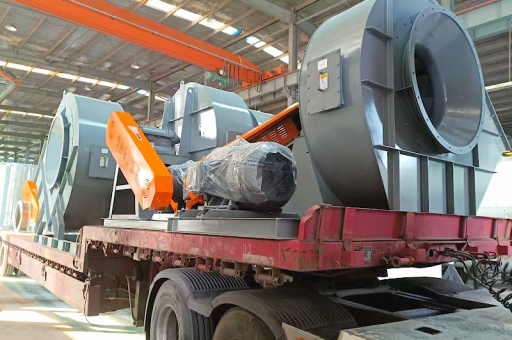
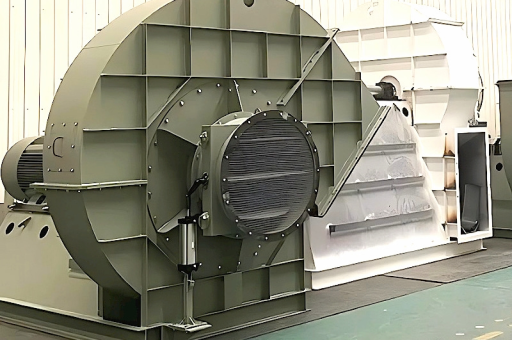
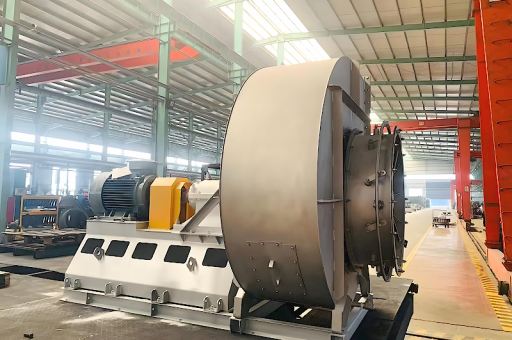
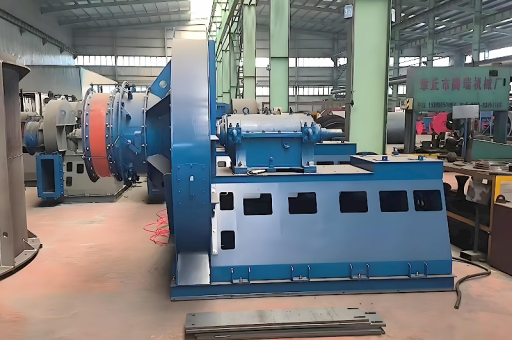
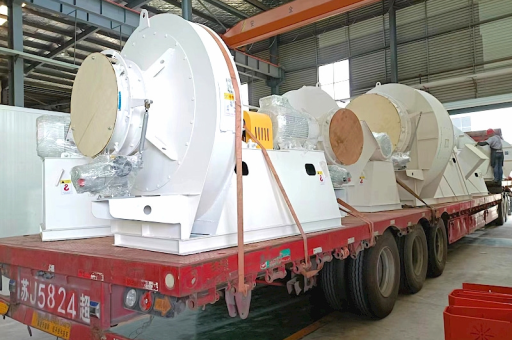
Waste incineration is a cornerstone of modern waste management, converting municipal solid waste into energy while reducing landfill volume by up to 90%. At the heart of every incineration plant lie waste incineration high-temperature fans—specialized industrial fans that handle flue gases at temperatures often exceeding 850°C (1562°F). These fans are not mere components; they are critical for maintaining combustion efficiency, ensuring proper airflow, and protecting downstream equipment. Without reliable high-temperature fans, plants face risks of overheating, incomplete combustion, and costly downtime. This article explores the engineering, operational benefits, and future innovations of these indispensable machines.
How High-Temperature Fans Function in Waste-to-Energy Plants
In a typical waste-to-energy (WtE) plant, high-temperature fans serve multiple roles:
- Primary air supply fans deliver oxygen to the combustion chamber, sustaining temperatures above 850°C to destroy dioxins and pathogens.
- Secondary air fans inject additional air above the grate to ensure complete gas burnout.
- Induced draft (ID) fans pull hot flue gases through economizers, scrubbers, and baghouses, maintaining negative pressure in the furnace.
The airflow pathway involves extreme thermal gradients. For example, gases leaving the combustion chamber may be at 1000°C, while the fan blades must withstand these conditions without deformation. Advanced designs use impellers with radial blades or backward-curved configurations to minimize thermal stress and maintain aerodynamic stability.
Key Design Features for Extreme Conditions
High-temperature fans differ from standard industrial fans in several critical ways:
| Feature | Standard Fan | High-Temperature Fan |
|---|---|---|
| Maximum Temperature | 100–200°C | 850–1100°C |
| Bearing Cooling | No | External cooling fins or water jackets |
| Shaft Material | Carbon steel | Inconel or Hastelloy |
| Impeller Coating | None | Ceramic or thermal barrier coatings |
| Vibration Monitoring | Optional | Mandatory 24/7 monitoring |
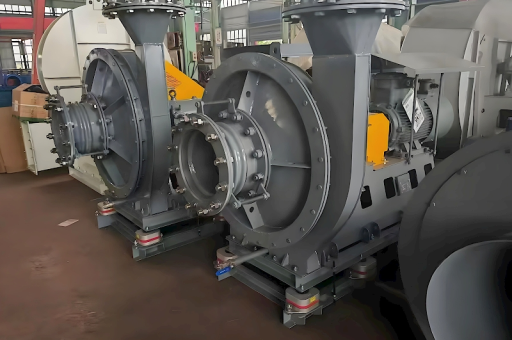
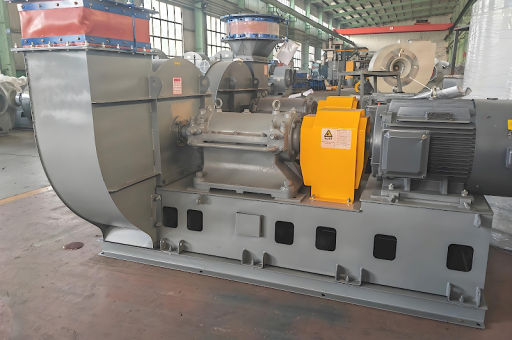
These fans often incorporate gas-tight casings to prevent leaks and expansion joints to handle thermal elongation of shafts and ductwork.
Material Selection and Thermal Stress Management
Selecting the right materials is a balancing act between strength, corrosion resistance, and creep resistance at high temperatures. Common choices include:
- Stainless steel 310S for moderate temperatures (up to 1000°C).
- Inconel 601 and 625 for extreme conditions involving corrosive flue gases (e.g., high chlorine from PVC waste).
- Ceramic coatings (alumina or zirconia) applied to blade edges to reduce erosion from fly ash.
Thermal stress is managed through finite element analysis (FEA) during design, optimizing blade thickness and curvature to distribute heat evenly. Start-up and shutdown procedures are also programmed to minimize thermal shock—for example, warming up the fan at a rate of less than 50°C per minute.
Energy Efficiency and Operational Cost Savings
While high-temperature fans consume power—often between 200 kW and 2 MW depending on plant size—modern designs significantly reduce energy usage. Two key innovations are:
- Variable frequency drives (VFDs) : Adjust fan speed in real time to match combustion demand, cutting electricity consumption by 30–40% compared to fixed-speed systems.
- Aerodynamic optimization: 3D-printed blade profiles reduce turbulence, lowering pressure drop across the fan.
A 2023 study by the International Energy Agency found that VFD-equipped high-temperature fans in European WtE plants saved an average of €120,000 per year per unit, with payback periods under 18 months.
Emissions Reduction and Compliance with Environmental Standards
High-temperature fans directly support compliance with strict emissions regulations such as the EU Industrial Emissions Directive (IED) and the U.S. EPA’s Clean Air Act. By maintaining precise airflow control, they help achieve:
- CO levels below 50 mg/Nm³ (complete combustion).
- NOx reduction through staged air injection.
- Minimized dioxin/furan re-formation by rapidly cooling flue gases from 850°C to below 200°C in the heat recovery section.
When fans fail, emissions can spike by 300–400% within minutes, leading to fines and permit revocation. Therefore, redundancy (e.g., parallel fan trains) is standard practice.
Common Challenges and Maintenance Strategies
Despite robust construction, high-temperature fans face specific failure modes:
- Blade erosion from fly ash particles—solvable with hardfacing or replaceable wear plates.
- Bearing overheating due to conducted heat from the shaft—mitigated by water-cooled bearing pedestals.
- Vibration and imbalance from thermal growth—addressed through automated balancing systems and quarterly shaft alignment checks.
A proactive maintenance schedule includes:
- Weekly thermographic inspections of the impeller and casing.
- Monthly oil analysis for bearing lubrication.
- Annual impeller crack detection using dye penetrant or ultrasonic testing.
Q&A: Expert Insights on High-Temperature Fan Systems
Q1: Why can’t standard industrial fans be used in waste incineration?
A: Standard fans are not designed for sustained temperatures above 300°C. At 850°C, carbon steel loses 90% of its tensile strength, leading to catastrophic failure. High-temperature fans use superalloys and thermal barrier coatings to maintain structural integrity.
Q2: How does fly ash affect fan performance?
A: Fly ash particles at high velocity erode blade tips and coatings. Over a year, wear can reduce fan efficiency by 15–20%. Advanced fans now include ash bypass vanes that divert particles away from critical surfaces.
Q3: Can high-temperature fans be retrofitted with wind turbine technology?
A: Yes. Some plants are testing hybrid systems where a high-temperature fan integrates a wind turbine-inspired aerodynamic blade shape to reduce drag. However, the primary turbine still relies on electric motors, not wind power, due to continuously required airflow.
Q4: What is the lifespan of a typical fan?
A: With proper maintenance, a well-built fan lasts 15–25 years. The impeller may require replacement every 5–8 years depending on waste composition (e.g., high chlorine content accelerates corrosion).
Future Trends: Smart Fans and Digital Integration
The next generation of high-temperature fans is leveraging Industry 4.0 principles:
- IoT sensors monitor blade vibration, temperature gradients, and bearing wear in real time, triggering predictive alerts before failures occur.
- Digital twins simulate fan performance under varying load conditions, optimizing speed and damper settings automatically.
- Heat recovery innovations: New fan designs incorporate integrated heat exchangers that preheat combustion air using waste heat from the fan casing, raising overall plant efficiency by 1–2%.
Some manufacturers are even exploring wind turbine-derived aerodynamics for impeller blades, claiming 8–12% higher efficiency at reduced noise levels.
Conclusion: Why High-Temperature Fans Define Incineration Success
Waste incineration high-temperature fans are the unsung heroes of sustainable waste management. They ensure complete combustion, minimize toxic emissions, and enable reliable energy recovery from non-recyclable waste. As environmental regulations tighten and plant operators demand higher efficiency, investment in advanced fan materials, smart monitoring, and aerodynamic design will only grow. Whether you are a plant manager, an engineer, or an environmental policymaker, understanding these fans is essential to optimizing waste-to-energy operations. The future may even see them hybridized with wind turbine technologies—but today, they remain the durable, critical heartbeat of every incinerator.