** The Critical Role of High-Temperature Fans in Modern Drying Equipment: Performance, Maintenance, and Selection Guide
Table of Contents
- Introduction: The Heat Behind the Process
- How High-Temperature Fans Function in Drying Equipment
- Key Performance Parameters: Temperature, Airflow, and Pressure
- Material Science: Why Standard Fans Fail in High-Heat Environments
- Common Applications Across Industries
- Selection Criteria for Drying Equipment High-Temperature Fans
- Maintenance Best Practices to Extend Fan Lifecycle
- Frequently Asked Questions (FAQ)
- Conclusion: Optimizing Thermal Efficiency with Reliable Fan Technology
Introduction: The Heat Behind the Process
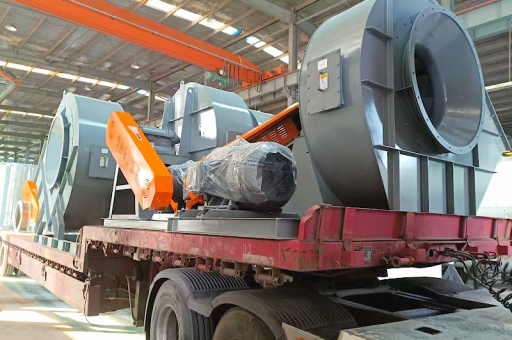
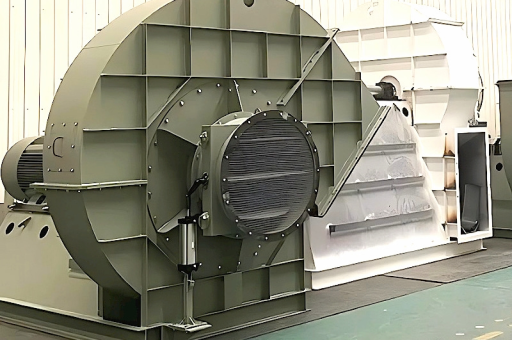
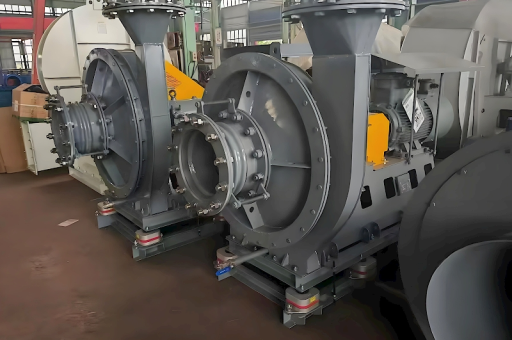
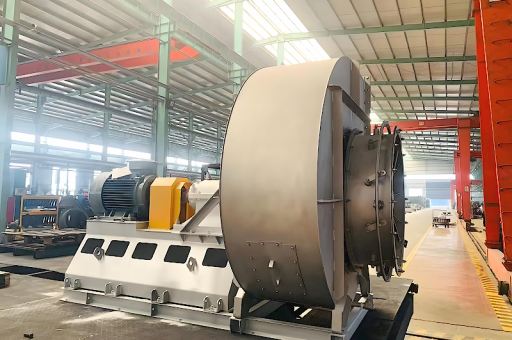
In industrial drying, the fan is not merely an accessory—it is the engine that sustains uniform heat distribution, moisture removal, and energy efficiency. When a drying equipment high-temperature fan operates at sustained temperatures exceeding 300°C (572°F), standard centrifugal or axial fans would fail within hours due to bearing seizure, impeller warping, or motor burnout. Understanding the specialized design and operational demands of these fans is vital for engineers, plant managers, and maintenance teams.
How High-Temperature Fans Function in Drying Equipment
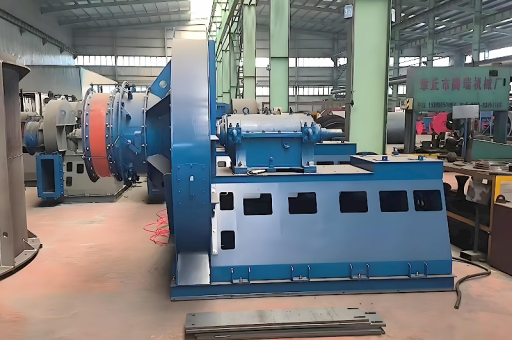
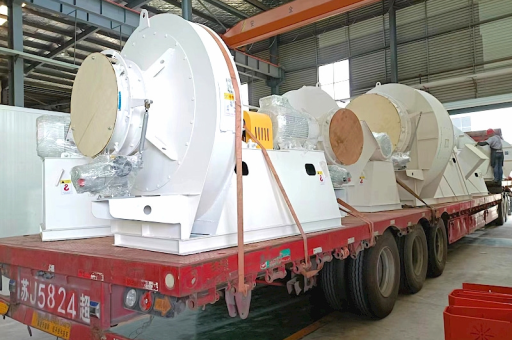
Unlike general-purpose fans, high-temperature fans in drying systems are engineered to maintain continuous airflow while exposed to process heat, often from direct combustion gases, steam, or electric heating elements. The fan must draw in ambient or preheated air, accelerate it across heating coils or combustion chambers, and then deliver that heated air to the drying chamber. The fan itself becomes a heat sink, requiring thermal isolation of bearings, motor, and shaft seals.
Key distinction: In direct-fired drying systems, the fan handles the combustion products, which can be corrosive. In indirect systems, the fan moves clean hot air but still faces extreme thermal stress.
Key Performance Parameters: Temperature, Airflow, and Pressure
A drying equipment high-temperature fan must be specified across three major axes:
- Operating Temperature: Continuous ratings (e.g., 350°C, 500°C, 650°C) vs. peak surge temperatures. The impeller material, bearing cooling method, and motor placement determine the ceiling.
- Airflow (CFM or m³/h): Must match the drying equipment's heat exchanger capacity. Undersizing leads to hotspots; oversizing wastes energy.
- Static Pressure: Most drying chambers have restrictive ducts, filters, and material bed resistance. The fan must maintain pressure head without stalling.
Common ranges: 1,000 to 100,000 CFM, pressures from 5 inWG to 30 inWG, depending on the scale of the drying equipment.
Material Science: Why Standard Fans Fail in High-Heat Environments
Ordinary fans use mild steel impellers, standard grease-lubricated bearings, and elastomeric seals. Under high temperature:
- Impeller creep: At >250°C, tensile strength of carbon steel drops significantly, leading to deformation at high RPM.
- Bearing seizure: Grease carbonizes and loses lubricity. Without external cooling, bearings overheat and lock.
- Shaft thermal expansion: Without proper coupling and thermal growth allowance, the fan shaft expands into the housing, causing friction and imbalance.
High-temperature fans in drying equipment counteract these failures through:
- Stainless steel or Inconel impellers
- Water-cooled or forced-air-cooled bearing housings
- High-temp PTFE or carbon ring shaft seals
- External motor mounting with belt drive (isolating the motor from heat)
Common Applications Across Industries
Drying equipment high-temperature fans are indispensable in:
- Food Processing: For belt dryers, spray dryers, and fluidized bed dryers (e.g., drying vegetables, dairy powders, grains). Fans sustain 150–250°C.
- Paper and Pulp: Yankee hood dryers require fans handling 350–450°C exhaust air to remove moisture from paper webs.
- Chemical and Mineral: Rotary kilns and flash dryers for fertilizers, pigments, and silica sands demand fans that survive 500–800°C.
- Waste Treatment: Sludge dryers and bio-drying plants use high-temp fans to recirculate hot gas while resisting acid corrosion.
- Wind Turbine Composite Manufacturing: In the production of wind turbine blades, high-temperature fans circulate heated air through autoclaves and ovens during resin cure cycles, ensuring consistent temperature profiles.
Selection Criteria for Drying Equipment High-Temperature Fans
When selecting a fan for drying equipment, follow this checklist:
| Criteria | Consideration |
|---|---|
| Heat Source | Direct or indirect? Combustion gas or clean hot air? |
| Temperature Profile | Continuous vs. peak; transient thermal shock risk |
| Bearing Cooling | Water jacket, finned air cooling, or no cooling (for low-temp) |
| Impeller Type | Backward-curved centrifugal for high pressure; airfoil for efficiency |
| Motor Location | TEFC motor with belt drive outside airstream vs. direct drive with heat slinger |
| Material | 304 SS for <400°C; 310S or Inconel for >600°C |
| Certification | ATEX or FM for combustible dust drying environments |
Practical tip: Always specify a 15–20% safety margin on temperature and static pressure to account for filter loading and ambient temperature swings.
Maintenance Best Practices to Extend Fan Lifecycle
Even the best drying equipment high-temperature fan will degrade without proper care. Recommended practices:
- Weekly: Check bearing housing temperature with infrared gun. If >80°C, inspect coolant flow or grease condition.
- Monthly: Measure vibration velocity. A rise >0.15 in/sec indicates imbalance from thermal warping or dust buildup.
- Quarterly: Replace high-temperature grease with synthetic lithium complex rated for >200°C. Never use standard NLGI #2.
- Annually: Remove impeller for visual inspection. Look for cracks, pitting, or weld fatigue. Balance before reinstallation.
- During shutdown: Rotate shaft manually; listen for grinding. Check belt tension if belt-driven.
Critical note: If the fan is used in a wind turbine composite curing oven, maintenance intervals should be halved because of the criticality of thermal uniformity in blade production.
Frequently Asked Questions (FAQ)
Q1: Can I use an ordinary centrifugal fan in my drying equipment?
No. Standard fans lack thermal isolation, bearing cooling, and material strength to survive sustained temperatures above 200°C. Prolonged use will cause fire hazard, catastrophic failure, and voided warranties.
Q2: What is the maximum temperature a drying equipment high-temperature fan can handle?
Commercially available fans range from 300°C to 850°C continuous. Specialty models using ceramic coatings and active cooling can reach 1,100°C for short durations.
Q3: How do I know if my fan bearings need cooling?
If the bearing housing surface temperature exceeds 70°C, your fan should be equipped with either a water-cooling jacket or a forced-air cooling fan. A thermal imaging survey during operation is the best diagnostic.
Q4: What is the difference between a high-temperature fan and an exhaust fan for dryers?
High-temperature fans are designed to handle both supply and exhaust duties. Exhaust fans in dryers must also resist condensation and corrosion if handling moisture-laden air. Choose corrosion-resistant materials (316L or FRP) for exhaust service.
Q5: Are high-temperature fans used in renewable energy applications like wind turbine manufacturing?
Yes. During the production of wind turbine blades, high-temperature fans maintain precise heating profiles in large ovens for curing epoxy resins. Fan reliability directly impacts blade quality and production cycle time.
Conclusion: Optimizing Thermal Efficiency with Reliable Fan Technology
The drying equipment high-temperature fan is a specialized component that bridges thermal dynamics and mechanical reliability. Proper selection—based on temperature profile, bearing cooling, material compatibility, and airflow requirements—ensures that your drying process remains efficient, safe, and cost-effective. Whether you are drying food products, processing chemicals, or manufacturing composite components for wind turbines, investing in a properly engineered fan reduces downtime and energy waste. Always consult with experienced fan manufacturers and apply the maintenance best practices outlined here to maximize the lifespan of your drying equipment high-temperature fans.