This article's table of contents introduction:
- What is a High-Temperature Fan for Food Drying?
- Why Standard Fans Fail in This Application
- Key Design Features of a High-Temperature Food Drying Fan
- Common Types of Fans Used in Food Drying
- Key Selection Criteria for Food Drying Applications
- Example Scenario: A Belt Dryer for Dried Mangoes
- Maintenance & Safety
- Top Manufacturers (I am not an affiliate)
- Key Takeaway
This is a great topic, as high-temperature fans are critical components in industrial food dehydration, but they are very different from standard fans.
Here is a comprehensive breakdown of high-temperature fans for food drying, covering their purpose, key design features, common types, and selection criteria.
What is a High-Temperature Fan for Food Drying?
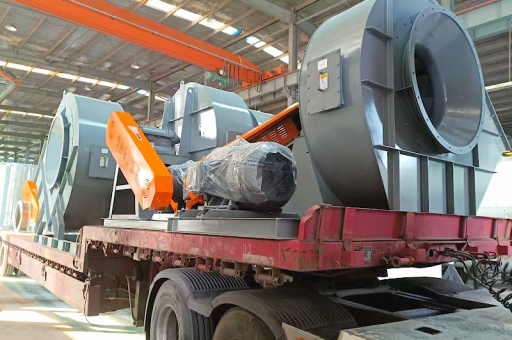
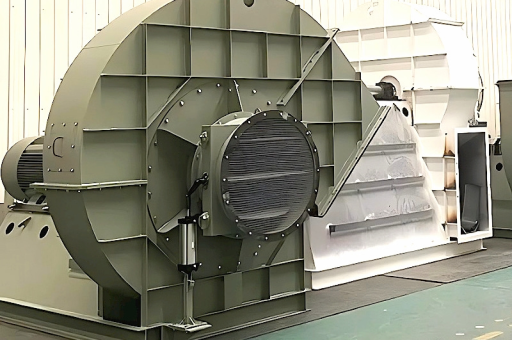
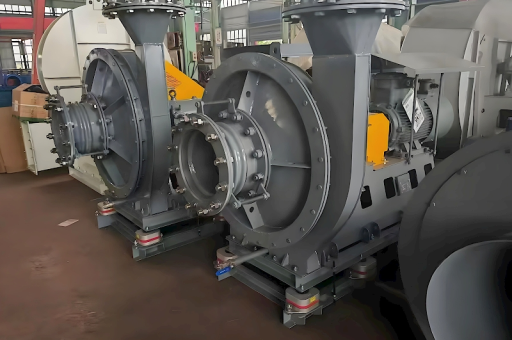
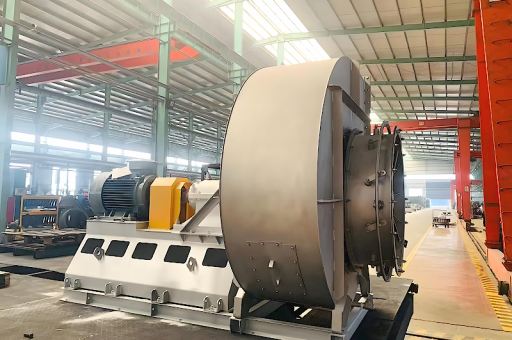
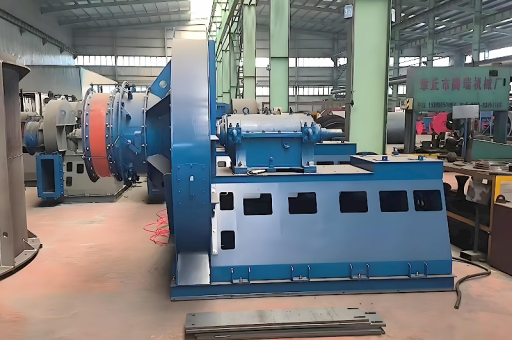
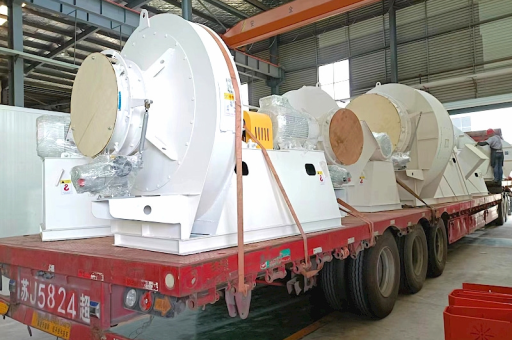
A high-temperature fan (often called a "hot air fan," "producer gas fan," or "recirculation fan") is a specialized industrial fan designed to continuously move large volumes of air at temperatures typically ranging from 150°C (300°F) to over 650°C (1200°F). In food drying, their primary job is to create a consistent, high-velocity flow of hot air across the food product to remove moisture efficiently.
Why Standard Fans Fail in This Application
Standard fans fail quickly because they are built for ambient temperatures (around 20-40°C). The challenges of high-temperature operation include:
- Material Expansion: Metal parts expand significantly when hot. If the fan isn't designed for this, the impeller (wheel) can rub against the housing, causing sparks, noise, and failure.
- Lubrication Failure: Standard grease and oil break down, carbonize, or evaporate at high temperatures, leading to bearing failure.
- Structural Weakening: Standard steel loses strength at high temperatures. The impeller can warp, crack, or even detach under centrifugal force.
- Thermal Conduction: Heat travels down the shaft and into the motor, damaging windings and bearings.
Key Design Features of a High-Temperature Food Drying Fan
These features directly address the problems listed above.
-
Heat-Treated Impeller & Housing:
- Material: Made from high-tensile, heat-resistant steel (e.g., Corten, or stainless steel like 304/316 for specific applications or hygiene).
- Design: The impeller is designed to allow for thermal expansion without binding. A backward-curved blade design is most common for its efficiency and stability.
- Reinforcement: Heavy-duty hubs and thicker blades to prevent warping.
-
Cooled Bearing System (The Most Critical Feature):
- Location: Bearings are almost always mounted outside the main airstream.
- Cooling Methods:
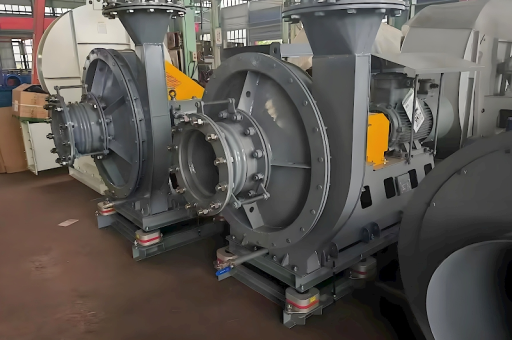
- Shaft Cooling Discs: Large metal discs on the shaft between the fan housing and the bearing. They radiate heat away and create a natural air current that cools the shaft.
- Fan-Mounted Cooling Wheel: A secondary small impeller attached to the shaft that pulls ambient air over the bearing housing.
- Cold Air Flushing: A small external fan blows ambient air directly at the bearing housing.
- Water Cooling (for >350°C/660°F): A water jacket around the bearing housing circulates cool water.
-
Shaft Sealing:
- Prevents hot, food-particulate-laden air from leaking along the shaft and destroying the bearings.
- Uses high-temperature labyrinth seals or packing glands with PTFE/graphite packing.
-
Insulated Motor & Belt Guard:
- The motor is often a standard enclosed motor, but it's cooled by its own external fan. The drive system (motor pulley, belt, fan pulley) is shielded from radiant heat.
- For extreme temperatures, the motor is mounted remotely and connected via a jack-shaft.
-
Variable Speed Drive (VSD) Ready:
Almost always installed with a VFD (Variable Frequency Drive). This allows precise control of airflow (CFM) to match the drying profile of different foods (e.g., gentle drying for fruits vs. aggressive drying for vegetables).
Common Types of Fans Used in Food Drying
-
Centrifugal Fans (Most Common):
- Use: Main air movers in tunnel dryers, spray dryers, fluid bed dryers, and tray dryers.
- Pros: High pressure, efficient, stable operation, handles particulate-laden air (with proper wheel design).
- Sub-types:
- Backward-Inclined / Backward-Curved: Most efficient. Ideal for clean, hot air. (Best for most food drying).
- Paddlewheel (Radial Blade): Handles sticky, heavy, or particle-filled air. Less efficient but very robust. Good for drying products that shed dust or fibers (e.g., spices, grains).
- Forward-Curved: Least efficient for high-temp. Not recommended for continuous high-temp use.
-
Plug Fans (Plenum Fans):
- Use: Mounted directly in the wall of an oven or dryer (e.g., for belt dryers).
- Pros: Compact, reduces ductwork, excellent for recirculation loops. Very efficient with a VFD.
-
Axial Fans (Less Common for High Temp):
- Use: For very low-pressure recirculation within a drying room.
- Challenges: The motor is usually in the airstream, requiring special high-temperature motor windings and bearings. Less efficient for moving air against resistance.
Key Selection Criteria for Food Drying Applications
When choosing a fan, consider these factors beyond temperature:
| Factor | Why It Matters for Food Drying |
|---|---|
| Airflow (CFM/m³/h) | Must match the required air changes and drying rate of the food. |
| Static Pressure (SP) | Must overcome the resistance of the food bed, ductwork, and filters. |
| Temperature | Don't guess. Specify the maximum continuous operating temperature (e.g., 250°C) and the peak temperature (e.g., 300°C for startup). |
| Air Quality / Hygiene | The fan must be cleanable. BETWEEN BAKING/DRYING CYCLES, IT MUST BE CLEANED. |
- Consider **stainless steel** for dairy, fruit, and acidic foods.
- Avoid crevices where food dust can accumulate and become a fire risk.
- Drain holes at the lowest point of the housing. |
| Mounting | Often mounted outside the drying chamber with ductwork connecting it, or as a plug fan. | | Motor Location | Top-mount is preferred for horizontal airflow. For vertical, the motor is usually at the top (clean end) or side-mounted with a shaft seal. |
Example Scenario: A Belt Dryer for Dried Mangoes
- Air Temperature: 65°C (150°F) entering, 45°C (113°F) exiting.
- Fan Type: Backward-inclined centrifugal.
- Construction: Stainless steel 304 housing, 304 impeller, TEFC motor with a VFD.
- Bearing Cooling: Shaft cooling disc + external fan on the bearing housing. (Bearings are on a pedestal outside the duct).
- Seal: Labyrinth seal with a grease-purge fitting to prevent dust ingress.
Maintenance & Safety
- Cleanliness is Fire Safety: Food dust + hot air + a spark from a failing bearing = a dust explosion or fire. Clean the fan housing and impeller regularly, especially after drying oily or starchy foods (nuts, grains, spices).
- Vibration Monitoring: A small change in vibration can signal a buildup of food on the wheel or a failing bearing. Install vibration sensors.
- Bearing Temperature Monitoring: A simple thermocouple on the bearing housing can be connected to an alarm or shut-off.
- Thermal Expansion Check: After the first time the fan reaches its full operating temperature, shut it down and check all bolts and the impeller-to-inlet cone clearance.
Top Manufacturers (I am not an affiliate)
- New York Blower (USA)
- Howden
- Greenheck (Industrial line)
- AirPro Fan & Blower
- Chicago Blower Corporation
- Soler & Palau (S&P)
- Aerzen (for high temp gas handling)
- Cincinnati Fan
Key Takeaway
Do not use a standard industrial fan for high-temperature food drying. A proper high-temp unit costs more upfront, but it is a non-negotiable investment for safety, reliability, and food quality. When in doubt, provide the fan manufacturer with the exact maximum air temperature, the food type, and the airflow resistance (static pressure) you need. They will select the correct materials and cooling method.
Let me know if you need a recommendation for a specific food type (e.g., meat, fruit, vegetables, pet treats) or a specific dryer type (belt, tray, fluid bed).