This article's table of contents introduction:
- The Core Challenge: Why They Are Different
- Critical Engineering Features
- Types of High-Temp Oven Exhaust Fans
- Common Failures & Troubleshooting
- Selection Criteria (If You Are Buying One)
- Safety & Maintenance
- Example Products (for reference)
- Final Recommendation
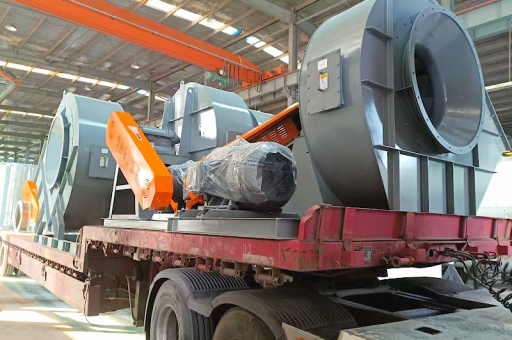
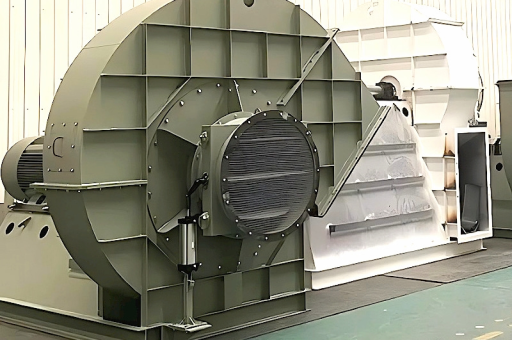
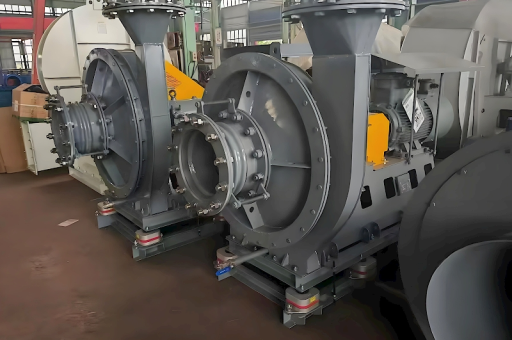
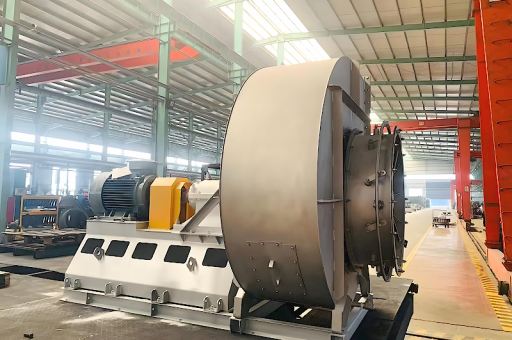
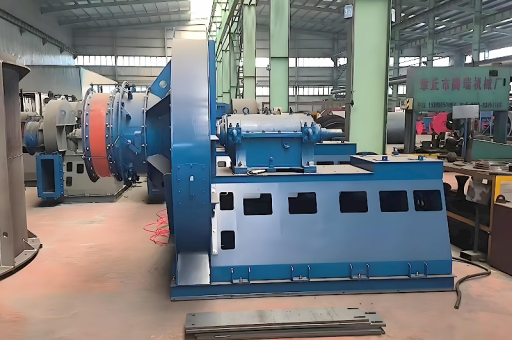
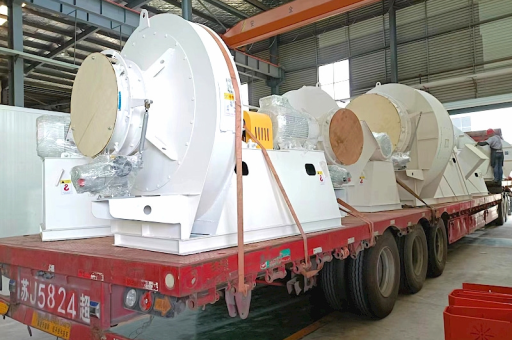
This is a highly specific and critical component. "Oven exhaust high-temperature fans" (often called "high-temp range hood fans" or "industrial oven ventilation fans") are not standard kitchen appliances. They are engineered to handle extreme heat (often 300°C / 572°F and higher) continuously, as well as grease, corrosive fumes, and thermal shock.
Here is a comprehensive breakdown covering the key engineering, types, failures, and selection criteria for these fans.
The Core Challenge: Why They Are Different
Standard fans (like those in a PC or a home bathroom) will fail immediately in an oven exhaust for three reasons:
- Heat: Motors burn up. Bearings lose lubrication. Plastic parts melt.
- Grease & Fumes: Grease will coat the blades, causing imbalance and vibration. Fumes can be corrosive.
- Pressure: Ovens require static pressure to overcome resistance from filters, long duct runs, and backdrafts.
Critical Engineering Features
To survive, these fans use specific designs:
- Motor Isolation: The motor is mounted outside the airstream (belt-driven or direct-drive with a cooling shroud). The impeller is the only part in the hot gas.
- High-Temperature Bearings: Sealed, high-temperature grease (e.g., Mobil Polyrex EM) or ceramic ball bearings.
- Impeller Material: Stainless Steel (304 or 316) or aluminum (for lower temps). Never plastic or painted steel.
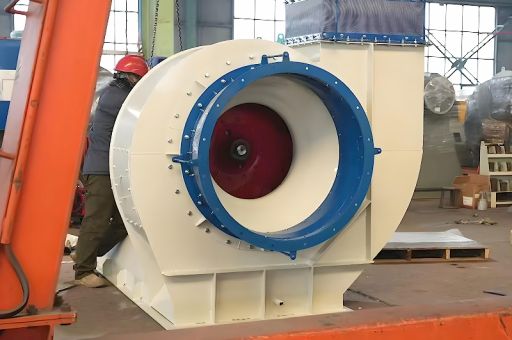
- Housing Design: Usually radial/blower (centrifugal) design, not axial (propeller). Radial handles grease and backpressure better.
- Thermal Cutoff: A thermal fuse or thermostat that shuts the fan down if internal motor temp exceeds safe limits (e.g., 180°C).
Types of High-Temp Oven Exhaust Fans
A. High-Temp Commercial Kitchen Range Hoods (Most Common for Restaurants)
- Temp Rating: Typically 200°C - 300°C (400°F - 572°F).
- Design: Belt-driven, side-discharge centrifugal (squirrel cage).
- Key Feature: Grease filters (baffle or mesh) are before the fan. The fan extracts vapor, not liquid grease.
- Example: Greenheck (CSP, G-BE series), Fantech (HTP series).
B. Industrial Process Oven Fans (for manufacturing, curing, drying)
- Temp Rating: Often 400°C - 650°C (750°F - 1200°F).
- Design: Direct-drive or belt-driven "plug fans" mounted on the oven wall or ductwork.
- Key Feature: Radial paddle-blade impeller (no housing, just a wheel). This is a brute-force design for moving very hot air.
- Example: New York Blower (HE Series), Howden, Cincinnati Fan.
C. High-Temp Boilers/Kiln Fans
- Temp Rating: Extreme end (650°C+).
- Design: Water-cooled shafts and special alloy wheels (Inconel, Hastelloy).
- Application: Glass furnaces, cement kilns.
Common Failures & Troubleshooting
| Symptom | Likely Cause | Solution |
|---|---|---|
| Fan runs but moves little air | Clogged impeller (grease buildup) or failed motor capacitor. | Clean impeller with degreaser. Test/replace capacitor. |
| Loud vibration/rumbling | Impeller imbalance (broken weld or foreign object) or worn shaft bearings. | Inspect impeller; rebalance or replace. Replace bearings. |
| Motor runs hot / cuts out | Thermal cutoff triggered (overload), undersized fan, or high ambient temp. | Check airflow; clean filters. Verify fan is rated for ambient temp. |
| Doesn't start at all | Burnt motor (overheat), bad relay, or failed thermal fuse. | Check continuity. Most likely motor replacement. |
| Grease leaking from seams | Worn gaskets or housing seal failure. | Replace gaskets with high-temp silicone or felt. |
Selection Criteria (If You Are Buying One)
Use these key specs when ordering a replacement or new system:
- Maximum Continuous Operating Temperature: (e.g., 300°C). Must exceed your oven's peak exhaust gas temp by a safety margin.
- Airflow (CFM) & Static Pressure (in.w.g.): You need the fan curve. Kitchen hoods typically need 0.5" to 1.5" w.g. static pressure. Industrial may need 2"-6".
- Material: 304 SS (standard for wet/grease). 316 SS (for high corrosives). Aluminum (for dry heat only).
- Drive Type:
- Belt-Drive: Easier to adjust speed (change pulley). Motor is cool. Best for durability.
- Direct-Drive: More compact, less maintenance, but motor gets hotter.
- Motor Class: TEFC (Totally Enclosed Fan Cooled) or Explosion-Proof (for flammable vapors).
Safety & Maintenance
- DO NOT LUBRICATE SEALED BEARINGS: This is the #1 mistake. You will wash out the high-temp grease. Only use a grease fitting if specified by the OEM.
- Thermal Protection: Never bypass a thermal cutoff. If it trips, you have a problem.
- Cleaning: Use non-caustic degreasers (e.g., Simple Green HD). Caustics (lye) attack aluminum and stainless steel passivation.
- Ductwork: Duct must be sheet metal (galvanized or SS) with sealed joints. Flexible dryer ducts will melt.
Example Products (for reference)
- Small Commercial (Bakery/Pizza): Greenheck G-BE-090 (300°C, belt-drive).
- Industrial Curing Oven: New York Blower HE-1310 (400°C+, direct-drive plug fan).
- High-Temp Exhaust (Classic): Fantech HTP 18 (200°C, high static pressure).
Final Recommendation
If you are replacing a fan in a chain restaurant or industrial oven, check the brand and model number (e.g., "Greenheck CSP-120"). The specific impeller and motor bracket are custom. Purchasing a generic "high-temp fan" off Amazon will likely fail within weeks.
If you are designing a new system: Consult a mechanical engineer or a specialty distributor like Grainger, McMaster-Carr, or a local HVAC supply house to get the correct fan curve for your oven volume and duct length.