This article's table of contents introduction:
- Introduction: What Defines a Stainless Steel High-Pressure Fan?
- Material Science: Why Stainless Steel?
- Core Design Principles for High-Pressure Environments
- Key Application Verticals
- Performance Metrics: Airflow, Static Pressure, and Efficiency
- Selection Criteria & Engineering Considerations
- Maintenance & Longevity Strategies
- Frequently Asked Questions (FAQ)
- Conclusion: Future Trends in Corrosion-Resistant Fan Technology
*The Ultimate Guide to Stainless Steel High-Pressure Fans: Engineering, Applications, and Performance Optimization*
Table of Contents
- Introduction: What Defines a Stainless Steel High-Pressure Fan?
- Material Science: Why Stainless Steel?
- Core Design Principles for High-Pressure Environments
- Key Application Verticals
- 1 Chemical & Petrochemical Processing
- 2 Marine & Offshore Wind Turbine Installations
- 3 Wastewater Treatment & Corrosive Fume Extraction
- 4 Pharmaceutical & Food Sanitary Ventilation
- Performance Metrics: Airflow, Static Pressure, and Efficiency
- Selection Criteria & Engineering Considerations
- Maintenance & Longevity Strategies
- Frequently Asked Questions (FAQ)
- Conclusion: Future Trends in Corrosion-Resistant Fan Technology
Introduction: What Defines a Stainless Steel High-Pressure Fan?
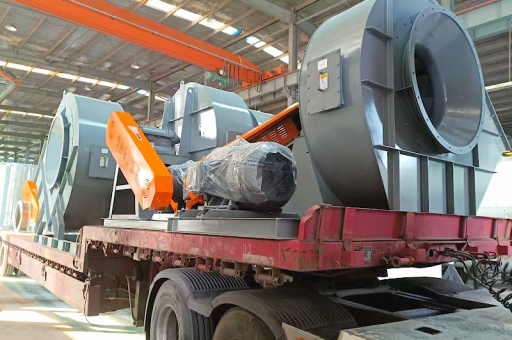
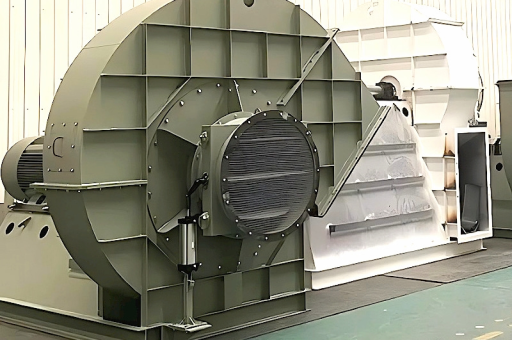
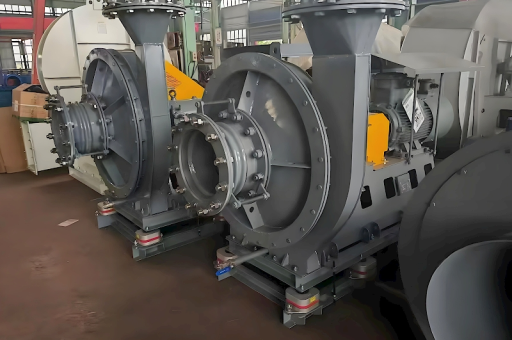
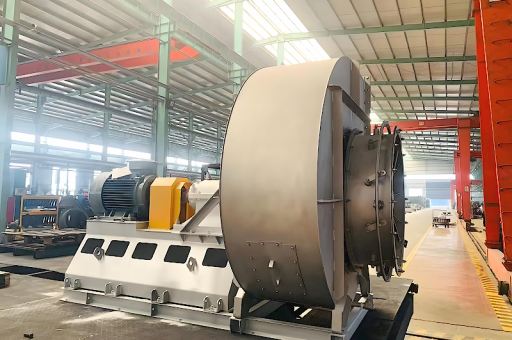
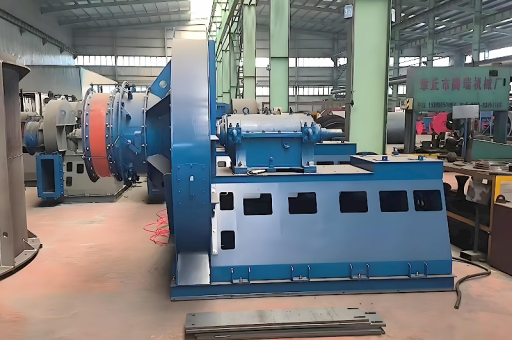
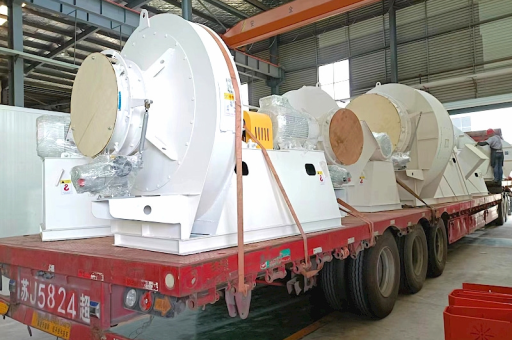
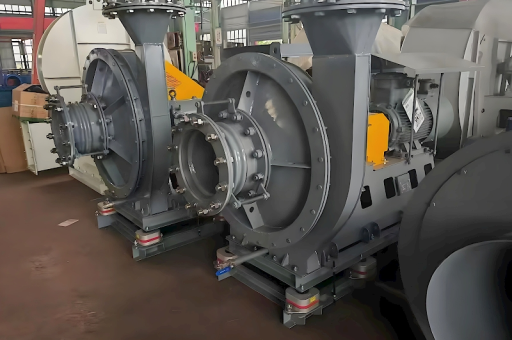
A Stainless Steel High-Pressure Fan is a specialized air-moving device engineered to generate airflow against significant backpressure—typically above 5 kPa (20 inches w.g.)—while using stainless steel as the primary construction material. Unlike standard axial or centrifugal fans, these units are built to withstand harsh environments, from chemical vapor streams to humid offshore decks. The stainless steel housing and impeller provide critical corrosion resistance and structural integrity when moving high-density gases or particulate-laden air.
These fans are not off-the-shelf HVAC components; they are precision machines often custom-engineered for demanding industrial duty cycles.
Material Science: Why Stainless Steel?
The choice of stainless steel—typically SS304 or SS316L—directly dictates the fan’s service life in aggressive environments:
- SS304 (1.4301): Offers good resistance to atmospheric corrosion, fresh water, and many organic chemicals. Suitable for food processing, general industrial ventilation, and moderate humidity.
- SS316L (1.4404): Contains molybdenum, providing superior resistance to chlorides, sea spray (critical for wind turbine nacelle ventilation), and acidic fumes. This is the standard for marine, offshore, and pharmaceutical applications.
- Surface Finish: A passivated or electropolished surface reduces frictional resistance and prevents pit initiation.
Stainless steel provides a 3x–5x longer operational lifespan in corrosive environments compared to painted carbon steel, despite a 40–60% higher initial material cost.
Core Design Principles for High-Pressure Environments
High-pressure fan design requires specific aerodynamic and structural features:
- Impeller Geometry: Backward-curved centrifugal impellers are the standard. They achieve higher static pressures (up to 15–20 kPa) with lower noise and non-overloading power curves.
- Housing Integrity: Heavy-gauge stainless steel panels with continuous seam welding prevent leakage at high differential pressures. Flanges are typically machined to ANSI Class 150 or higher.
- Shaft Sealing: Mechanical shaft seals or high-pressure carbon ring seals are essential to prevent air or process gas bypass. Some designs include air purge systems for wind turbine blade bearing cooling applications.
- Balancing: Impellers must be dynamically balanced to G2.5 grade or better, as high-speed operation on stiff stainless steel impellers amplifies vibration risk.
Key Application Verticals
1 Chemical & Petrochemical Processing
Stainless steel high-pressure fans handle acidic vapors (HCl, H₂SO₄) in scrubber systems. They must maintain precise flow rates against static pressures over 12 kPa, often in ATEX-rated zones.
2 Marine & Offshore Wind Turbine Installations
Inside a wind turbine nacelle, these fans provide forced cooling for generators and gearboxes. SS316L construction resists salt-laden ocean air. High static pressure capability ensures airflow reaches compact heat exchangers even through long, narrow duct runs.
3 Wastewater Treatment & Corrosive Fume Extraction
Biological aeration and digester gas handling require fans that can move moist, corrosive air for 24/7 periods. Stainless steel prevents H₂S pitting.
4 Pharmaceutical & Food Sanitary Ventilation
Cleanroom exhaust systems use electropolished stainless steel fans with CIP (Clean-in-Place) capabilities to maintain sterile conditions without rust contamination.
Performance Metrics: Airflow, Static Pressure, and Efficiency
Selecting the correct fan depends on three key parameters:
| Metric | Typical Range for Stainless Steel High-Pressure Fans |
|---|---|
| Airflow | 500 – 50,000 CFM (0.25 – 23 m³/s) |
| Static Pressure | 5 – 25 kPa (20 – 100 inches w.g.) |
| Peak Efficiency | 70% – 85% (at design point) |
| Power | 5 – 150 kW (variable-speed capable) |
Important: Efficiency drops sharply if the fan is operated far from its Best Efficiency Point (BEP). Operating at 60% of BEP flow can reduce efficiency to under 55%.
Selection Criteria & Engineering Considerations
When specifying a fan, consider:
- Operating Temperature Range: Standard models handle -20°C to +120°C. High-temperature variations (with cooling wheel and insulated shaft) go to +400°C.
- Impeller Type: Backward-curved for dirty gases; forward-curved only for clean air at moderate pressures.
- Drive Configuration: Direct drive (no belt losses, lower maintenance) vs. belt drive (allows speed changes on-site).
- Variable Frequency Drive (VFD): Recommended for precise pressure control and energy savings, especially in wind turbine cooling loops with fluctuating heat loads.
Maintenance & Longevity Strategies
Stainless steel does not eliminate maintenance; it changes the failure modes:
- Bearing Life: Use sealed, corrosion-resistant bearings (spherical roller type). Grease at intervals determined by operating hours.
- Impeller Inspection: Check for weld cracking or fatigue at blade roots. Nondestructive testing (dye penetrant) annually.
- Vibration Monitoring: Install accelerometers (ISO 10816-3 compliant). A 1 mm/s shift often indicates balancing degradation or bearing wear.
- Surface Cleaning: Remove salt deposits with fresh water or mild detergent every 90 days in marine environments. Never use chloride-based cleaners on SS304.
Predicted lifespan: 15–25 years for SS316L units in well-maintained offshore wind turbine applications, versus 5–8 years for painted steel.
Frequently Asked Questions (FAQ)
Q1: Can a stainless steel high-pressure fan operate in an explosive atmosphere? Yes, when constructed with spark-resistant impellers (aluminum-bronze or Monel) and ATEX/IECEx-certified motors. Stainless steel itself is non-sparking.
Q2: How does a high-pressure fan differ from a standard blower for wind turbine cooling? Standard blowers generate less than 2 kPa static pressure. High-pressure fans are required when airflow must overcome tight ducting, heat exchanger pressure drops, and filter banks within a nacelle.
Q3: Is 304 stainless steel always sufficient for chemical exhaust? No. If chloride levels exceed 50 ppm in the gas stream, SS316L or duplex stainless steel (e.g., 2205) is mandatory to prevent stress corrosion cracking.
Q4: What is the maximum temperature for SS304 high-pressure fans? Continuous operation at 300°C (572°F) is possible with thermal barrier coatings. Beyond that, superalloys or ceramic coatings are required.
Q5: Can I retrofit a carbon steel housing with a stainless steel impeller? Technically yes, but corrosion at the housing will cause imbalance and leakage. Always maintain uniform material for housings, impellers, and fasteners.
Conclusion: Future Trends in Corrosion-Resistant Fan Technology
Stainless steel high-pressure fans are evolving toward higher efficiency and digital integration. Key trends include:
- Smart Monitoring: IoT sensors now track bearing temperature, vibration, and power draw, predicting failures weeks in advance.
- Additive Manufacturing: 3D-printed stainless steel impellers allow complex blade geometries that boost static pressure by 15% without increasing footprint.
- Hybrid Materials: Laser-cladded wear surfaces on blade edges extend life in abrasive gas streams.
- Sustainable Design: Lightweight stainless steel alloys reduce motor load; variable-speed drives cut energy use by up to 40%.
For applications from chemical plants to wind turbine nacelle cooling, the stainless steel high-pressure fan remains the gold standard when non-negotiable reliability and corrosion resistance are required. By matching material grade to environment, sizing precisely at the BEP, and investing in condition-based maintenance, operators can achieve decades of trouble-free operation.